National Dish Nigeria: Ogbono Soup (Recipe)
In this article
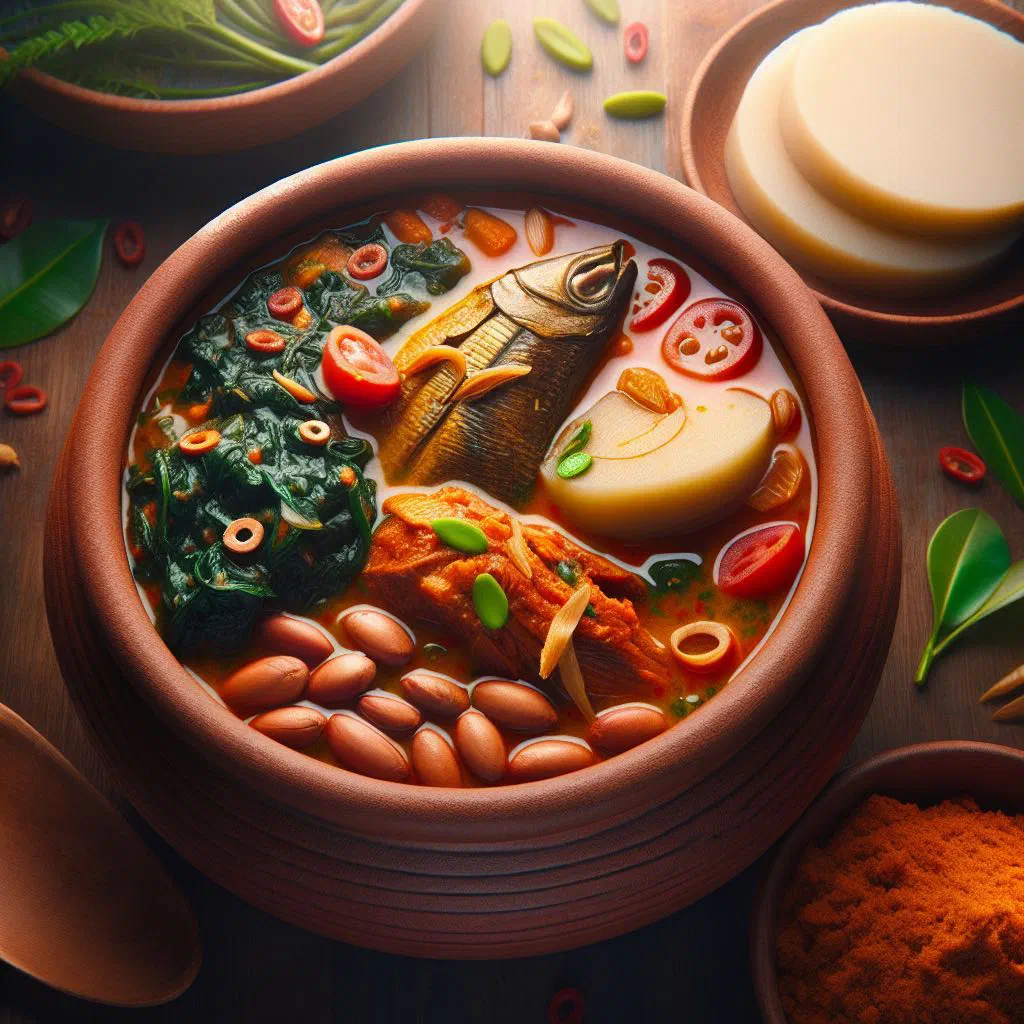
Discover Ogbono Soup, one of Nigeria’s most treasured dishes. Known for its wonderfully rich, drawing texture and deep, savoury flavour, this West African classic is built around ground ogbono seeds, the prized kernels of the African wild mango. Simmered with fresh greens and hearty meat or fish, it is as nourishing as it is satisfying, and no festive table in Nigeria feels quite complete without it. Bring a taste of the tropics to your own kitchen with this comforting bowlful.
About Ogbono Soup
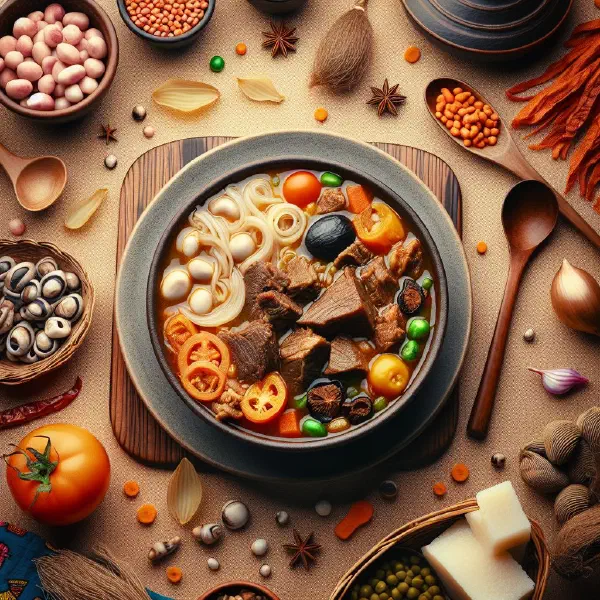
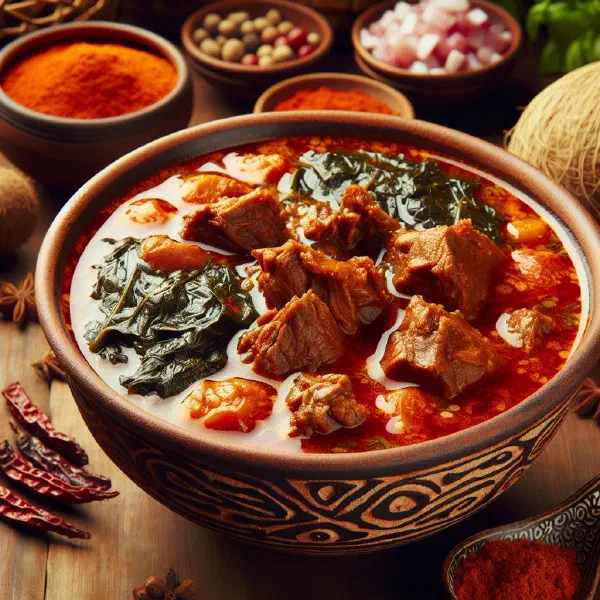
Ogbono Soup is a striking dish from Nigeria, celebrated for its unique consistency and its deep, layered flavour. The soup is made from the ground seeds of the ogbono tree, the African wild mango, which are treasured for their wholesome, nutritious qualities. Combined with fresh vegetables and either hearty meat or fish, ogbono soup is delicious and enormously filling. For many Nigerians it is a traditional delicacy, one that simply must appear at feasts and special occasions.
Ingredients (serves 1–2)
- 100g ogbono seeds (ground)
- 500ml water or stock
- 200g meat (beef or chicken, for example) or fish
- 1 onion, diced
- 2–3 tablespoons palm oil
- 1 cup spinach or other leafy greens
- Salt and seasoning to taste
Shopping for the ingredients
To get the best ingredients for your ogbono soup, it is worth visiting an African or Asian grocery. There you will find the ground ogbono seeds, often sold as a speciality item. Fresh vegetables and meat are easy to pick up at a supermarket or local market. Make sure everything is fresh and of good quality to guarantee the finest flavour and the fullest nutritional value.
Preparing the dish
Before you start cooking your ogbono soup, get all the ingredients ready. Chop the vegetables and dice the meat or fish. This groundwork is key to keeping the cooking process efficient and smooth. Having everything within easy reach lets you minimise the cooking time and coax out the aromas at their very best.
Step-by-step instructions
- Heat the palm oil in a large pot and add the diced onion. Sauté until it turns translucent.
- Add the diced meat or fish and brown it thoroughly.
- Pour in the water or stock and bring everything to the boil.
- Sprinkle the ground ogbono powder into the simmering liquid and stir well to avoid any lumps.
- Finally, add the greens and let the soup simmer for a few more minutes until everything is cooked through.
Gluten-free / lactose-free version
Ogbono soup is naturally gluten-free and lactose-free, which makes it an excellent choice for anyone with food intolerances. Even so, take care that every ingredient you use is likewise free from gluten and lactose. Fresh vegetables, meat and the ogbono seeds themselves are generally safe to enjoy. You can also switch to an alternative oil if you have any concerns about particular components.
Tips for vegans and vegetarians
For vegans and vegetarians, ogbono soup is easily adapted: simply leave out the meat or fish and replace it with plant-based proteins such as tofu or tempeh. Use vegetable stock in place of meat stock to achieve the same full-bodied flavour. A little extra vegetable adds further nourishment too. With the right seasoning, the dish is every bit as delicious and satisfying without any animal products, much like a hearty bowl of Okra Soup.
More tips and tricks
To get the most out of your ogbono soup, you can add a few extra spices, chilli or pepper, for instance, to liven up the flavour. Experiment with different types of vegetable to add variety. A squeeze of lemon or lime at the end of cooking brings a fresh lift. The soup also keeps beautifully in the fridge and often tastes even better the next day.
Adapting the recipe to your taste
Ogbono soup is highly adaptable, so anyone can prepare it just the way they like it. Feel free to adjust the quantities to change the consistency and the taste. You might use more or fewer ogbono seeds to make the soup thicker or thinner, for example. In the same way, additional herbs and spices can be added to your liking to give it a personal touch.
Ingredient substitutions
If you cannot get hold of ogbono seeds, you may be able to use other thickening ingredients such as peanut butter or even ground almonds, as you might in a nutty Groundnut Soup. While this will change the authentic flavour of the soup, it still offers a creative way to prepare your bowl. Keep an eye on the consistency as it cooks. Bear in mind, too, that your choice of ingredients also affects the soup’s nutritional value.
Drink pairing ideas
Ogbono soup pairs wonderfully with a whole range of drinks. Traditionally it is often served with a glass of palm wine or hibiscus tea, both of which complement the flavours of the soup. Alternatively, you might offer a light sparkling water or a flavoured water to refresh the palate. For a bolder experience, try a robust beer, which balances the soup’s rich flavours beautifully.
Serving and presentation ideas
A beautifully plated bowl of ogbono soup can lift the whole dining experience. Serve the soup in colourful bowls that show off the colours of the ingredients. Add a few fresh herbs or a squeeze of lime as a garnish to create an appealing contrast. If you serve the dish with sides such as rice or Pounded Yam, place these in separate dishes to give your guests an inviting spread.
A bit of history
Ogbono soup has a long tradition in West African cooking and is a firm fixture of Nigerian food culture. The ogbono seeds have been used by local peoples for centuries, as food and for their health benefits. In many cultures, preparing this soup is seen as a gesture of hospitality. The dish reflects the diversity and richness of Nigerian cuisine, showing how local ingredients can be transformed into flavourful meals.
More recipe ideas
Summary: Ogbono Soup
Ogbono Soup is a delicious, nourishing dish that shows off the flavours of Nigeria to perfection. With a selection of ingredients that can be easily tailored to different tastes, it suits meat lovers, vegetarians and vegans alike. The preparation is straightforward and can vary depending on the ingredients you choose, which makes the soup an enormously flexible option. Experience the flavours of Africa with this tasty dish, which appeals to the palate and brings a piece of Nigerian culture to your table.