National Dish Nigeria: Okazi Soup (Recipe)
In this article
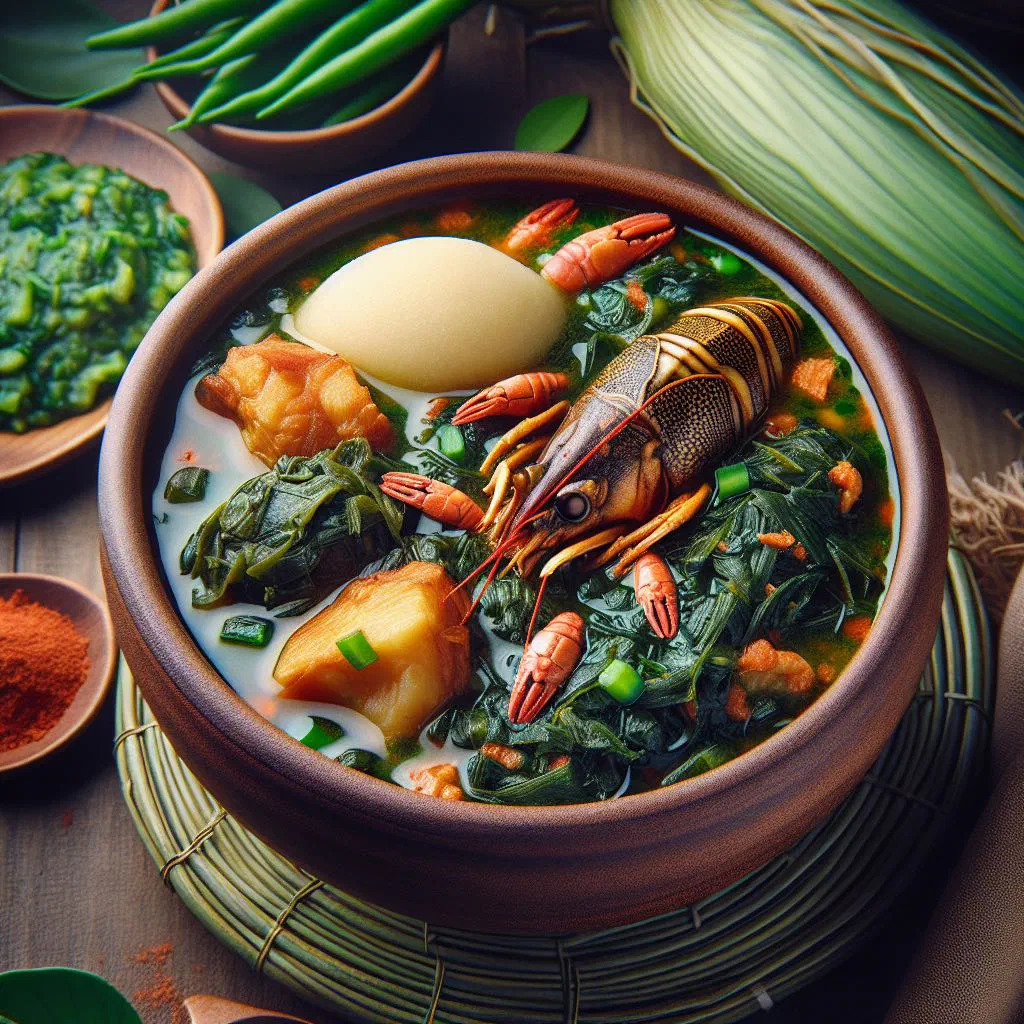
Meet Okazi Soup, a treasured classic of Nigerian cooking that packs bold, satisfying flavour into every spoonful. Built around the distinctive okazi leaves, it brings together tender meat, smoky fish and warming spices in a rich, palm-oil base. Nutty, hearty and deeply comforting, this is celebration food that draws people to the table, and a wonderful first step into the world of Nigerian cuisine.
About Okazi Soup
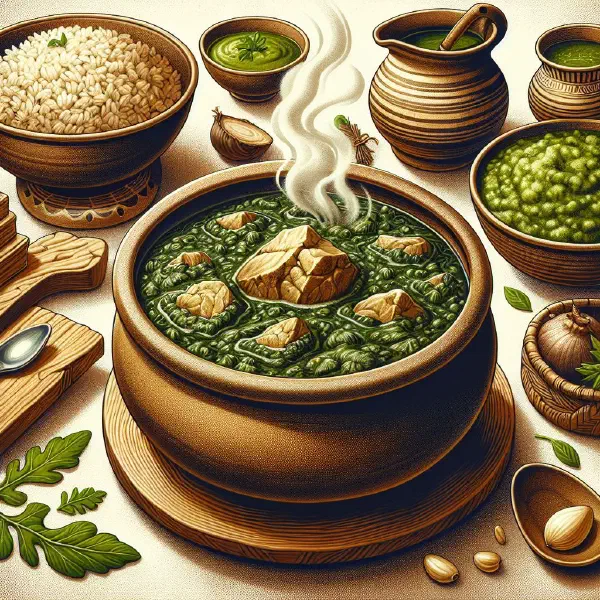
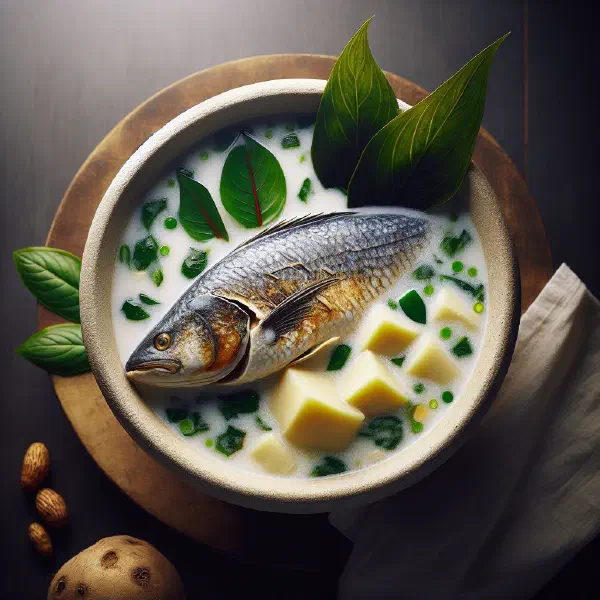
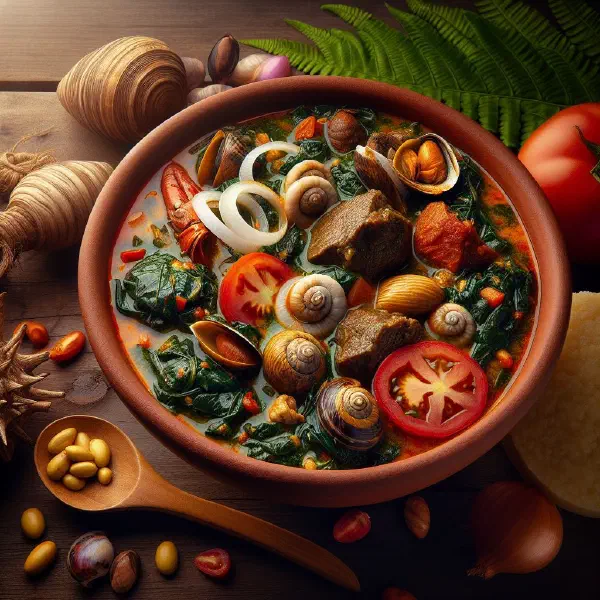
Okazi Soup is a traditional Nigerian dish celebrated for its rich flavours and its reliance on fresh, wholesome ingredients. The star of the show, the okazi leaves, gives the soup its characteristic nutty taste. Combining several kinds of meat, smoky fish and aromatic spices turns this soup into a true feast. If you want to dive into the world of Nigerian food, Okazi Soup is the perfect place to begin discovering the flavours and traditions of Nigeria.
Ingredients (serves 1–2)
- 200g okazi leaves
- 200g meat (beef or chicken, for example)
- 100g fish (such as smoked fish)
- 1 onion, diced
- 2–3 tablespoons palm oil
- 2–3 cups stock (vegetable or meat)
- Spices to taste (pepper, salt, seasoning blend)
Shopping for the ingredients
To get the best results for your Okazi Soup, it is worth buying your ingredients as fresh as possible. Visit a local food market or an African grocery to make sure you find good-quality okazi leaves and other fresh produce. Use only fresh spices and choose organic meat where you can, to bring out the fullest flavour. Pay attention to the quality of the palm oil too, as it has a big influence on the final result.
Preparing the dish
Getting ready to make Okazi Soup is quick and straightforward. Begin by washing the okazi leaves thoroughly and slicing them into small pieces. Prepare your meat and fish by cutting them into chunks and, if you like, browning them first. Dicing the onion is another important step that helps intensify the flavour. Make sure everything is ready before you start cooking so the whole process runs smoothly.
Step-by-step instructions
- Heat the palm oil in a large pot and add the diced onions.
- Fry the onions until they turn golden brown.
- Add the meat and sauté it for a few minutes.
- Pour in the stock and bring it to the boil.
- Add the fish and let everything simmer for around 10–15 minutes.
- Now stir in the sliced okazi leaves and the spices.
- Let the soup simmer for a further 5 minutes, then taste and adjust the seasoning.
- Serve the soup hot alongside Pounded Yam or fufu.
Gluten-free / lactose-free version
Okazi Soup is naturally gluten-free and lactose-free, as it contains no wheat products or milk. That makes it a great option for anyone with food intolerances. Just make sure the stock you use is gluten-free too. It is best to choose fresh, unprocessed ingredients to keep your dish healthy and easy to digest.
Tips for vegans and vegetarians
Although Okazi Soup is traditionally made with meat and fish, vegans and vegetarians can adapt the ingredients with ease. Swap the meat for tofu or tempeh for a protein-rich version. To echo the fishy depth, add seaweed or a special seasoning. Use vegetable stock as the base to keep the flavour full-bodied, and don’t forget to fold in plenty of vegetables to make the soup nourishing.
More tips and tricks
To make the most of your Okazi Soup, keep a few extra tips in mind. Let the soup rest for a few hours, or even overnight, so the flavours deepen. Experiment with different spices to add your own signature touch. Remember not to cook the leaves for too long, so they keep their freshness and nutrients. Serve the soup piping hot for the best possible taste.
Adapting the recipe to your taste
Everyone has their own palate, and Okazi Soup is easy to tailor to yours. Add more or fewer spices depending on how much heat you like. The consistency can be adjusted too, pour in more stock for a thinner soup, or use less liquid for a thicker texture. Try working in different vegetables to layer in even more flavour, much as you would in a hearty Egusi Soup.
Ingredient substitutions
If you can’t track down every ingredient for your Okazi Soup, there are plenty of alternatives. In place of okazi leaves you can use spinach or chard, which offer a pleasant texture and good nutrients. For the stock, homemade or shop-bought both work. Just make sure it is free of unwanted additives. The meat can also be replaced with vegetarian alternatives, so everyone can enjoy the soup their own way.
Drink pairing ideas
To round off the flavour of your Okazi Soup, certain drinks work especially well. A cool, refreshing drink such as citrus lemonade or a fruity cocktail pairs beautifully with the soup’s spice. For a traditional choice, you might reach for palm wine or a Nigerian beer to keep the cultural theme going. These drinks help soften the soup’s bold flavours and bring a harmonious balance to your meal.
Serving and presentation ideas
An appealing presentation can lift the enjoyment of Okazi Soup considerably. Serve the soup in traditional clay pots or colourful bowls to reflect the colours and culture of Nigeria. Garnish with fresh herbs to add a touch of bright colour and whet the appetite. Paired with the right sides, such as Pounded Yam or fufu, a tasteful presentation makes the dish memorable.
A bit of history
Okazi Soup carries deep-rooted traditions within Nigerian culture. The use of okazi leaves goes back many generations and reflects the importance of regional ingredients in Nigerian cuisine. Historically, the soup was a dish served at special occasions, one that brought the community together. Today it is enjoyed in many households and is a symbol of Nigeria’s rich heritage and culinary traditions.
More recipe ideas
Summary: Okazi Soup
Okazi Soup is more than just a dish; it is an experience that unites the flavours of Nigeria in one delicious stew. With its nutty character, hearty ingredients and the versatility it offers, it is a highlight of any meal. Whether interpreted traditionally or with a modern twist, making and sharing this soup brings warmth and joy to the table. Let Nigerian cooking inspire you and give this delicious soup a try yourself.