National Dish Nigeria: Stewed Beans (Recipe)

In this article
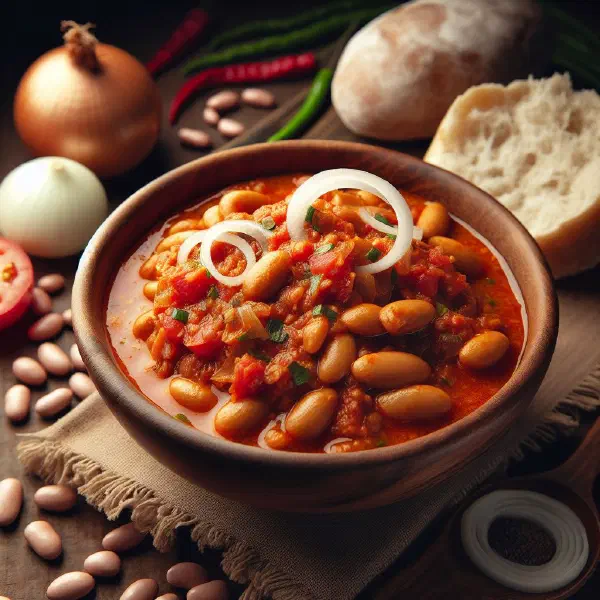
Meet Stewed Beans, a comforting Nigerian classic that brings tender beans together with a rich, spicy tomato sauce. It is the kind of everyday dish that also earns a place at the table on special occasions, prized for its hearty, savoury flavours and its nourishing base of beans. In many Nigerian households this dish is far more than a meal; it is a small piece of cultural identity, cooked and shared from one generation to the next.
About Stewed Beans
Stewed Beans is a traditional Nigerian dish built around tender beans and a well-seasoned, spicy sauce. It appears both at festive gatherings and as a dependable everyday meal, and its appeal lies in the balance between savoury aromas and the wholesome, filling quality of the beans. Across Nigeria it is treasured not only as good food but as part of a shared culinary heritage, prepared in countless homes and adapted to each family’s taste.
Ingredients (serves 1–2)
- 200 g black-eyed beans or kidney beans
- 1 onion, diced
- 2 tomatoes, puréed
- 1 pepper, diced
- 2 cloves of garlic, chopped
- 1 teaspoon grated ginger
- 2–3 tablespoons palm oil or olive oil
- Salt and pepper to taste
- Optional: chilli for extra heat
Shopping for the ingredients
To make the best Stewed Beans you will want fresh, good-quality ingredients. The beans are easy to find in Asian or African grocery shops, and it is worth seeking out ripe tomatoes and crisp fresh vegetables for the fullest flavour. Palm oil is a hallmark of Nigerian cooking and gives the dish its characteristic colour and depth, though a neutral oil will do at a pinch. A short trip to a well-stocked market makes all the difference.
Preparing the dish
Soak the beans overnight to shorten the cooking time and make them easier to digest, then rinse them thoroughly and pick out any grit or debris once they have soaked. Chop and prepare all your vegetables in advance so everything is within easy reach when it is time to cook. Good preparation is one of the surest ways to help the dish turn out well.
Step-by-step instructions
- Put the soaked beans into a pot, cover with water, bring to the boil and cook for around 30–40 minutes until soft.
- Heat the palm oil in a frying pan and sweat the onions until translucent.
- Add the garlic and ginger and fry briefly until fragrant.
- Stir in the puréed tomatoes and diced pepper, mix well and season with salt and pepper.
- Add the cooked beans to the pan, stir everything together and let it sit over medium heat for a few minutes so the flavours can meld.
Gluten-free / lactose-free version
Stewed Beans is naturally gluten-free and lactose-free, which makes it an excellent choice for anyone with those intolerances. Simply take care not to use any processed ingredients that might contain hidden gluten. As it stands, the recipe slots neatly into a mindful, allergen-free diet, so you can enjoy it without a second thought as part of a healthy menu.
Tips for vegans and vegetarians
Stewed Beans is ideal for vegans and vegetarians, as it contains no animal products at all. To make it even more substantial, fold in extra vegetables such as carrots, courgette or spinach, which add both nutrients and layers of flavour. Served with a side of rice or flatbread, it becomes a complete and satisfying meal in its own right.
More tips and tricks
To get the most from your Stewed Beans, take care not to overcook the beans. Check the texture in good time to avoid a mushy result. If you prefer a spicier version, add chilli or other seasonings to suit your palate. Experimenting with different ingredients can lead to interesting and delicious outcomes, so do not be afraid to make the dish your own.
Adapting the recipe to your taste
Tailor the recipe to your liking by using different types of bean or by adding extra herbs and spices. A little coriander or parsley, for example, can lend a fresh note, while more vegetables, chosen by season and availability, keep things varied. This flexibility is what makes the dish endlessly rewarding to return to, much like a hearty bowl of Rice And Beans.
Ingredient substitutions
If you do not have black-eyed beans to hand, other varieties such as kidney or pinto beans work just as well. The palm oil can be swapped for another vegetable oil if it is not available in your kitchen, and a splash of coconut milk brings a creamier, rounder finish. This freedom in the choice of ingredients makes it easy to adjust the dish to individual preferences without losing its character.
Drink pairing ideas
A hearty dish like Stewed Beans pairs beautifully with refreshing drinks. A chilled ginger beer or an African hibiscus tea, the same crimson brew behind a Zobo Drink, complements the flavours wonderfully. If you fancy something alcoholic, a light white wine or a fruity sangria works nicely.
Serving and presentation ideas
To present your Stewed Beans in style, serve it in an attractive bowl and garnish with fresh herbs. A few slices of fresh vegetable or avocado on the side make the plate more inviting, and colourful crockery adds to the overall impression. Creative serving ideas do more than please the eye. They make the meal feel special and leave a lasting impression on your guests.
A bit of history
The roots of Stewed Beans run deep into Nigerian cuisine, which is celebrated for its variety and its bold flavours. Beans are a staple across many West African countries and are prepared in a great range of styles, but the pairing of beans with an aromatic sauce has become one of the most beloved. Traditionally the dish is shared within the family circle, reinforcing a sense of togetherness and community that sits at the heart of the Nigerian table.
More recipe ideas
Summary: Stewed Beans
Stewed Beans is a simple yet delicious dish that offers a real taste of Nigerian cuisine. With wholesome ingredients and spicy, savoury aromas, it makes an excellent choice for lunch or dinner. By adapting the recipe you can shape it entirely to your own preferences, so dive into the world of Nigerian flavours and enjoy this classic dish.