National Dish Nigeria: Ukodo Yam Pepper Soup (Recipe)
In this article
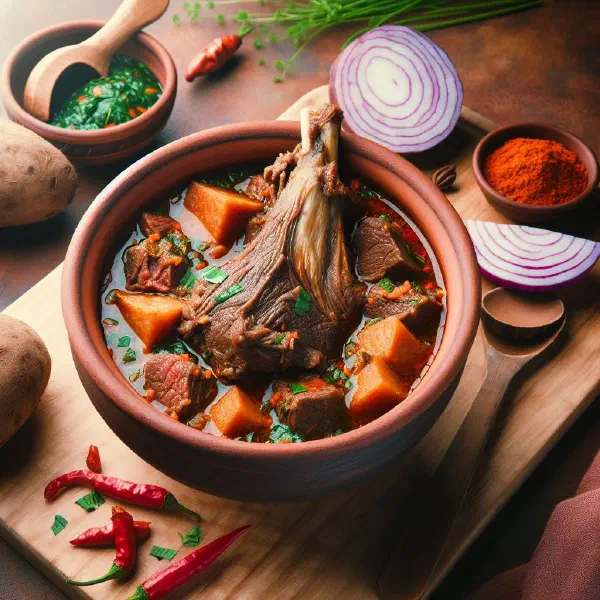
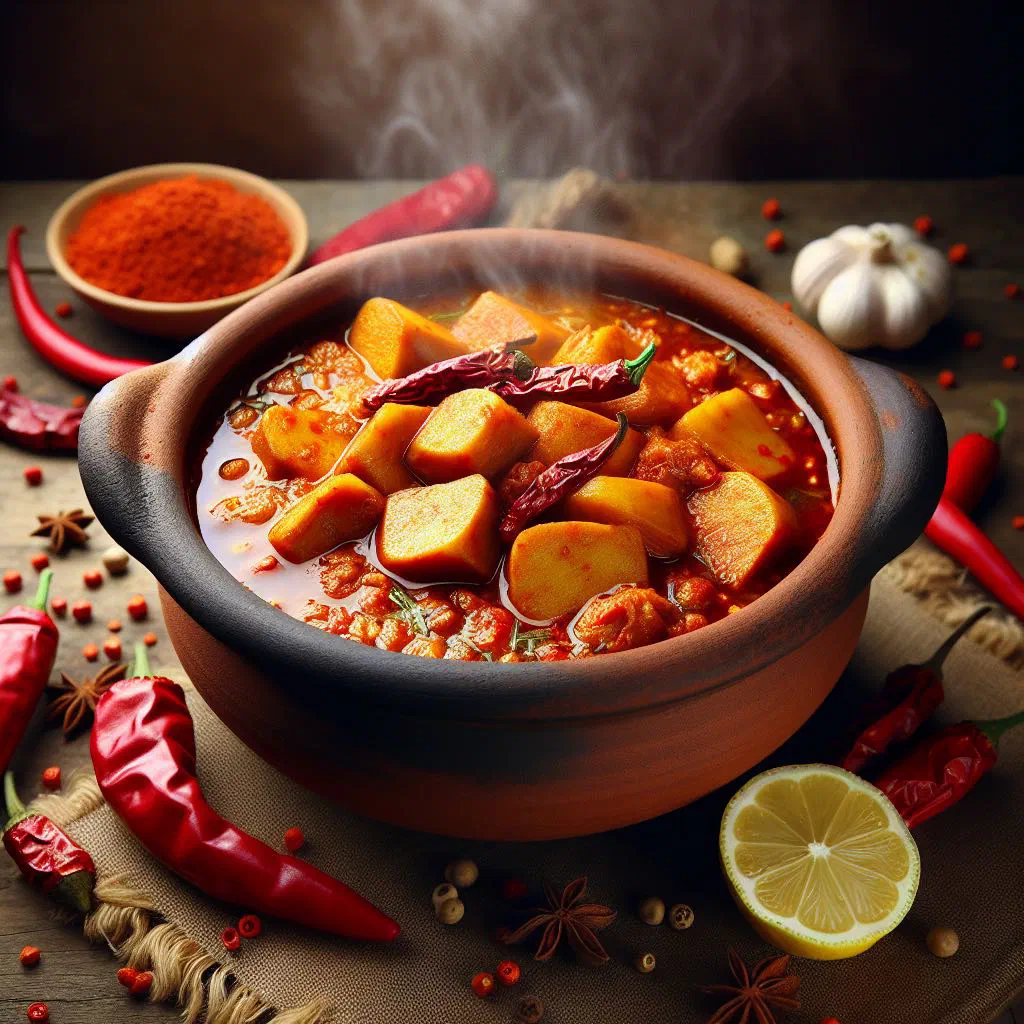
Meet Ukodo, a soul-warming yam pepper soup from Nigeria’s Urhobo and Itsekiri kitchens. It brings together fiery Scotch bonnet heat, fragrant pepper-soup spices and pillowy chunks of yam in a single, restorative bowl. Filling enough to stand as a meal on its own, it is exactly the kind of dish you crave on a chilly evening or when family gathers round the pot. One spoonful and you understand why it holds such a treasured place in Nigerian cuisine.
About Ukodo Yam Pepper Soup
Ukodo, better known to many as Yam Pepper Soup, is a long-cherished and much-loved dish from Nigeria. It marries the hearty warmth of spicy peppercorns with tender pieces of yam to create a genuinely distinctive eating experience. The dish is wonderfully filling and perfect for cold days and sociable gatherings. That balance of bold spice and fresh, simple ingredients is what makes Ukodo such a prized speciality of the West African table.
Ingredients (serves 1–2)
- 300 g yam
- 500 ml water
- 1–2 Scotch bonnet chillies
- 1 onion, chopped
- 1 teaspoon fresh or frozen pepper
- 2 teaspoons stock seasoning blend
- Salt to taste
- Optional: meat or fish (e.g. chicken or crab)
Shopping for the ingredients
To make Ukodo you will want fresh ingredients, most of which are easy to find in African or Asian grocery shops. Yam is the make-or-break element for the soup’s texture, so it pays to pick out the best tubers you can. Choose ones that feel firm and are free of soft spots or damage. Chillies and spice blends are often available online too, which makes it simple to gather exactly what your recipe calls for.
Preparing the dish
Before you start cooking, prepare all of your ingredients thoroughly. The yam should be peeled and cut into small cubes to keep the cooking time short. The chillies can be left whole or chopped, depending on how much heat you are after. Chop the onion and ready the remaining ingredients as well, so the whole cooking process runs smoothly and the flavours have the best chance to bloom.
Step-by-step instructions
- Bring the water to the boil in a large pot.
- Add the prepared yam cubes and cook until soft.
- Stir in the chopped onion and chillies.
- Add the seasoning blend and the pepper, then stir well.
- Optional: add meat or fish and let it simmer for a further 10–15 minutes.
- Season with salt and serve piping hot.
Gluten-free / lactose-free version
Ukodo is naturally gluten-free and lactose-free, which makes it an ideal choice for anyone with those intolerances. Because the dish contains no cereal products, you can enjoy it with complete peace of mind. Do take care, though, to check that your stock and seasoning blends carry no hidden sources of gluten. That way the recipe stays not only nourishing but genuinely accessible to everyone at the table.
Tips for vegans and vegetarians
For a vegan or vegetarian take on Ukodo, simply leave out the meat or fish and reach for protein-rich additions such as tofu or seitan instead. These alternatives lend the soup extra flavour and nutrition. You can also swap the water for vegetable stock to build in another layer of depth. Play around with different vegetables to uncover new flavours, much as the beans do in Nigerian Fried Beans.
More tips and tricks
To get the very best from your Ukodo, take care not to overcook the yam, or it can turn mushy. A carefully judged cooking time is what gives you the right texture. Just before serving, you can scatter over fresh herbs such as coriander or parsley to add a bright, fresh note. Varying the spices is another easy way to conjure up interesting flavours that will surprise your guests.
Adapting the recipe to your taste
The real beauty of Ukodo lies in how versatile it is. You can dial the heat up or down to suit your palate simply by using more or fewer chillies. If you like things hearty, add extra meat or vegetables to make the dish even more substantial. The choice of yam can vary too; try different varieties to discover which one you like best.
Ingredient substitutions
If yam is hard to come by, other root vegetables such as potatoes or salsify make a good stand-in. They have similar cooking times and can deliver the consistency you are after. You might also vary the spices to create different flavour profiles, in the same spirit as the comforting Yam Porridge. Experiment with local ingredients to put your own new spin on the traditional Ukodo.
Drink pairing ideas
Ukodo goes beautifully with refreshing drinks such as palm wine or a fresh fruit juice. These help to balance the heat of the soup and make a delicious accompaniment to the meal. Alternatively, a light beer or a mellow wine will broaden the range of flavours on offer. Choose a drink that appeals to your guests and sits in harmony with the food.
Serving and presentation ideas
Presentation is everything when it comes to a successful dish. Serve Ukodo in a handsome, deep bowl and garnish it with fresh herbs or a sprinkle of spring onions. A few lime wedges around the rim add a splash of colour and complement the flavour wonderfully. Arranging the soup with a scattering of extra ingredients lifts its look and appeals to everyone at the table.
A bit of history
Ukodo has its roots in Nigerian culture, where it is often served as a hearty family meal. Historically it grew out of people’s instinct to create warm, comforting food to be enjoyed at social gatherings. The pairing of yam and spices reflects the diversity of Nigerian cooking and its influence across West African gastronomy. It is a dish that satisfies and carries history and tradition down through the generations, much like a bowl of Catfish Pepper Soup.
More recipe ideas
Summary: Ukodo Yam Pepper Soup
All in all, Ukodo is a delicious dish that appeals to the palate and brings people together in equal measure. With its spicy aromas and nourishing ingredients, it is a firm fixture of Nigerian cooking. Cooking Ukodo is sure to win over your guests. Let its wealth of flavour inspire you, and savour this traditional recipe to the very last spoonful.