National Dish North Macedonia: Kiselo Mleko (Recipe)
In this article
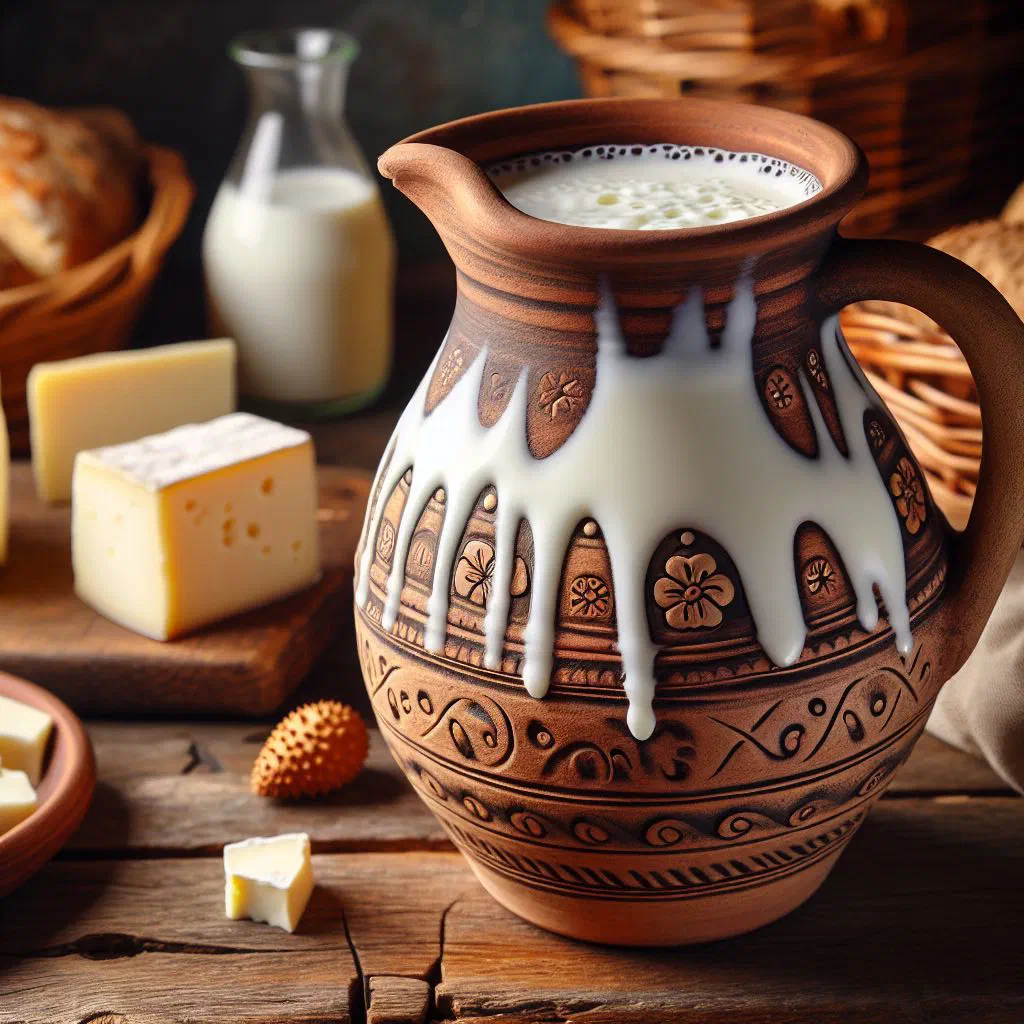
Say hello to Kiselo Mleko, the tangy, homemade soured milk that sits at the very heart of the Macedonian table. Made from nothing more than fresh milk and a spoonful of live-culture yoghurt, it turns into a thick, gently sour fermented milk with a wonderfully creamy texture. Enjoyed as a light snack or a cooling side, it is one of those humble specialities that has nourished families for generations. Best of all, it is astonishingly simple to make in your own kitchen.
About Kiselo Mleko
Kiselo Mleko is not merely a dish; it is a genuine part of Macedonian culture. Made from fresh milk, it has an unmistakable, gently sour flavour that wins over palates across the region. It is often enjoyed as a side dish or as a light snack, at any time of day. The preparation could hardly be simpler, and it slots easily into everyday cooking, making it a staple that never falls out of fashion.
Ingredients (serves 1–2)
- 500 ml fresh whole milk
- 2 tablespoons natural yoghurt with live cultures
- 1 pinch of salt (optional)
Shopping for the ingredients
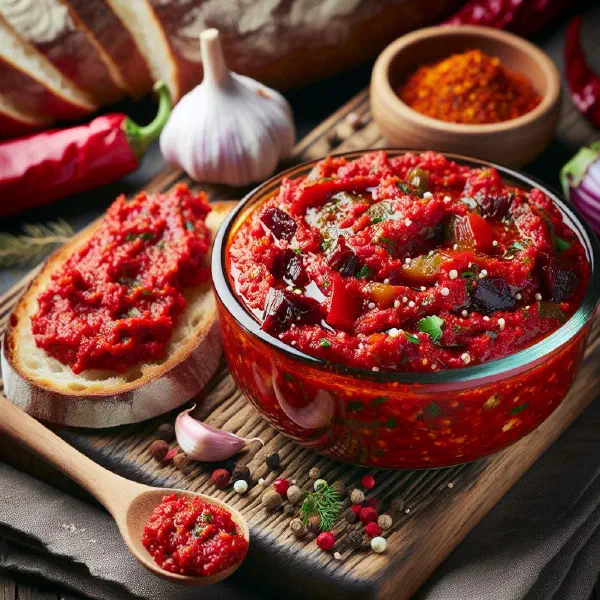
To make a delicious Kiselo Mleko, choosing the right ingredients really matters. Be sure to buy fresh whole milk, as the quality of the milk directly shapes the flavour of the finished yoghurt. Look for a natural yoghurt that contains active cultures, which will give you the best results. If you reach for regionally produced goods while you shop, you support the local economy and benefit from greater freshness, much like the good-quality peppers that make a proper Ajvar.
Preparing the dish
Getting ready to make Kiselo Mleko is quick and easy. Begin by warming the milk in a saucepan, taking care not to let it come to the boil. Once the milk has cooled to around 40 degrees, you can stir in the natural yoghurt and mix well. The milk-and-yoghurt mixture should then be left somewhere warm so that the cultures can become active and the milk ferments into a creamy yoghurt speciality.
Step-by-step instructions
- Heat the milk in a saucepan to around 40 degrees Celsius.
- Take the pan off the heat and let it cool a little.
- Add the natural yoghurt to the warm milk and stir well.
- Cover the pan with a tea towel and set it in a warm spot for 6–12 hours.
- After the fermentation time, transfer the Kiselo Mleko to the fridge to chill.
Gluten-free / lactose-free version
Making Kiselo Mleko is naturally gluten-free, as the base ingredients contain no gluten whatsoever. For a lactose-free version, you can use lactose-free milk, which goes through exactly the same fermentation process. Just make sure the natural yoghurt you use is lactose-free as well. That way the pleasure of this Macedonian yoghurt stays open to everyone at the table.
Tips for vegans and vegetarians
For vegans, a plant-based alternative such as coconut or almond milk works well to achieve a similar result. To reach the right consistency, use special vegan yoghurt cultures designed for the job. For vegetarians, Kiselo Mleko made with dairy is a wholesome and nutrient-rich option. Either way, these versions are delicious and bring plenty of health benefits.
More tips and tricks
One important tip when making Kiselo Mleko is to keep the environment consistently warm, so the fermentation can run as smoothly as possible. You might enlist an electric blanket, or set the pan in the oven on a very low heat. Let your yoghurt ferment until it reaches the consistency you like. Simply taste it to find your perfect level of tang. And do not forget: the longer the Kiselo Mleko ferments, the more intense the flavour becomes.
Adapting the recipe to your taste
The recipe for Kiselo Mleko is easily adjusted to your personal preferences. You could, for example, try different kinds of milk, or add spices such as pepper or fresh herbs if you fancy a special twist. Some people also stir in fruit or honey to create a sweeter version. Feel free to get creative and bring your own character to this traditional dish. It pairs beautifully with a heartier plate like Tavce Gravce.
Ingredient substitutions
When certain ingredients are not available, there are often good alternatives to hand. Instead of fresh milk you can also use long-life milk, though the flavour and texture may vary a little. When it comes to yoghurt, there are many brands with different flavour profiles to choose from. Consider plant-based yoghurt options too, which can add a nutty note and open up new taste experiences.
Drink pairing ideas
Pair your Kiselo Mleko with drinks that complement its creamy taste. A freshly pressed fruit juice or a glass of sparkling water provides a refreshing balance. Traditional Macedonian drinks such as rakija can also make an interesting companion. Remember that the right match of food and drink can greatly heighten the overall enjoyment of a meal.
Serving and presentation ideas
To present Kiselo Mleko attractively, use beautiful bowls or little glasses. You can garnish the dish with fresh herbs or pieces of fruit to create a lively, inviting look. Serve it alongside other traditional sides, such as fresh bread or seasonal vegetables like a Shopska Salata, to build a complete Macedonian meal. We eat with our eyes first, and a lovely presentation only sharpens the anticipation.
A bit of history
Kiselo Mleko has deep roots in Macedonian history and is a symbol of the region’s traditional diet. It is said that this yoghurt speciality has been made for centuries. Originally it served as a way to preserve milk, helping people through the long winters of the region. Even today it remains an indispensable part of North Macedonian cuisine and is enjoyed with great enthusiasm, from village kitchens to city tables.
More recipe ideas
Summary: Kiselo Mleko
In short, Kiselo Mleko is a versatile and flavoursome dish that is wonderfully easy to prepare. With its health benefits and its ready adaptability to personal taste, it is welcome in kitchens the world over. Whether as a side or a snack, this dish brings a touch of North Macedonia to any table. Let its unique flavour tempt you, and discover the variety that this traditional speciality has to offer.