National Dish North Macedonia: Pogacha (Recipe)
In this article
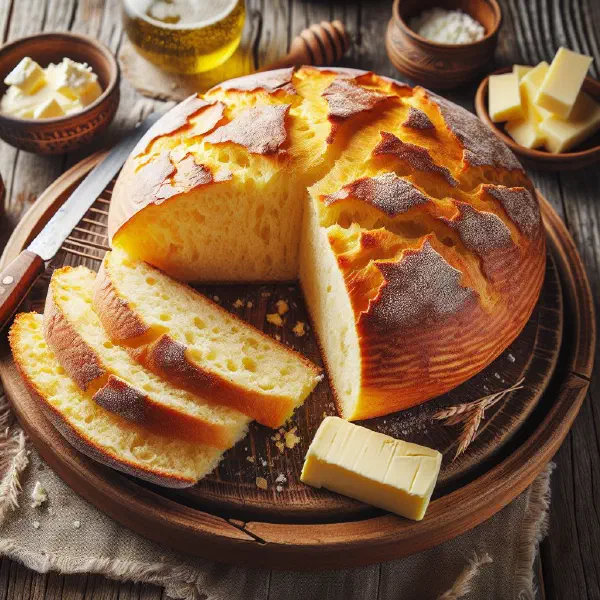
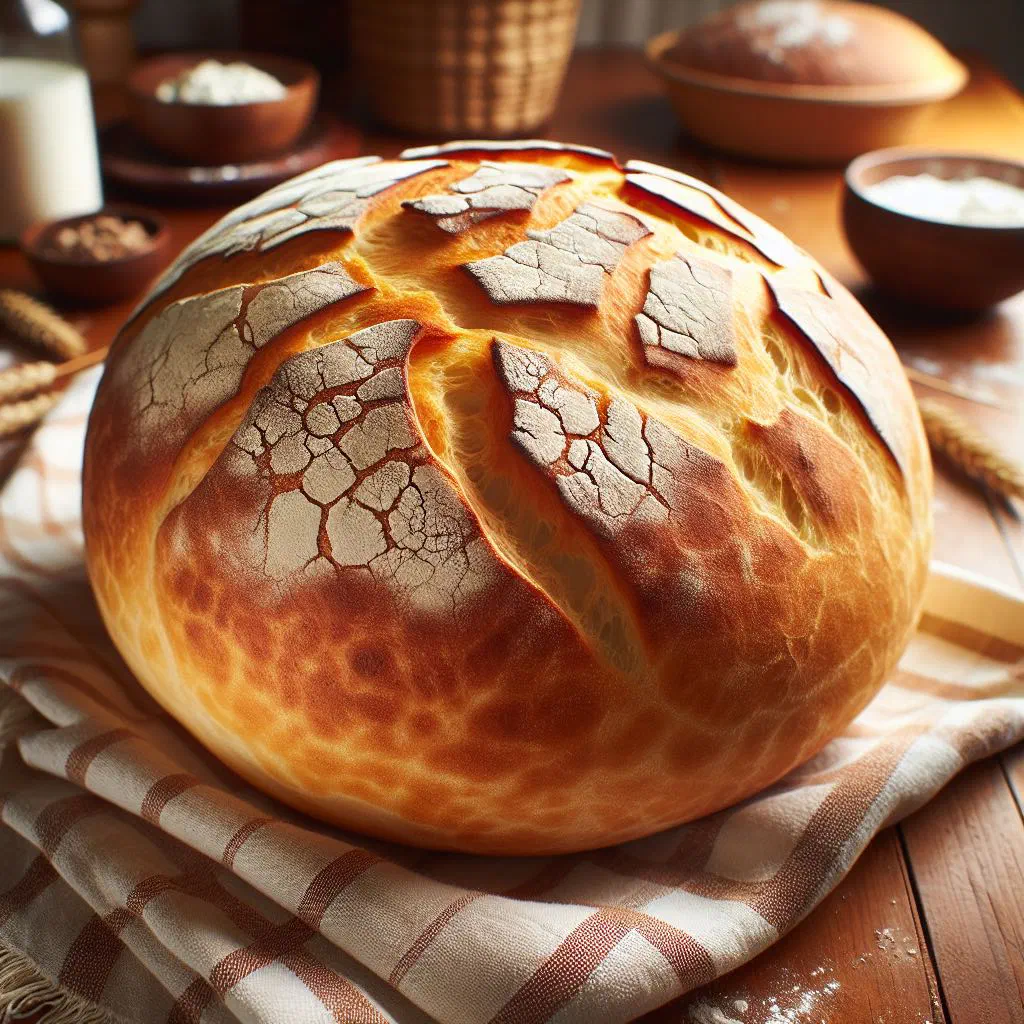
Say hello to Pogacha, the fluffy Macedonian bread with a very crisp crust. Soft and pillowy on the inside yet golden and crunchy around the edges, it is the kind of bread that disappears from the table almost as soon as it lands. Serve it alongside a hearty stew or simply tear off a warm piece on its own, either way, it brings a genuine taste of the Balkans straight to your kitchen.
About Pogacha
Pogacha is a traditional bread from North Macedonia, celebrated for its fluffy crumb and wonderfully crusty rim. It is often served as a side to hearty savoury dishes or enjoyed plain, still warm from the oven. The method is refreshingly uncomplicated, and the aromas that fill the kitchen as it bakes are impossible to resist. In many Macedonian households, pogacha is a fixture at special occasions and family gatherings, where sharing a freshly baked loaf is part of the celebration.
Ingredients (serves 1–2)
- 300 g plain flour
- 1 tsp salt
- 1 tsp sugar
- 7 g dried yeast
- 200 ml warm water
- 50 ml olive oil
Shopping for the ingredients
When shopping for pogacha, pay attention to the quality of your flour and olive oil. Good flour gives a better dough structure, while a fine olive oil lends the bread extra flavour. Choose fresh dried yeast, as older yeast can weaken the fermentation and leave you with a flat loaf. The sugar matters too. It activates the yeast and helps develop that lovely golden crust. Most of these staples are easy to find in any supermarket.
Preparing the dish
Before you start making pogacha, gather all your ingredients and have a large mixing bowl ready. Measuring and weighing everything out in advance keeps the process smooth and means nothing gets forgotten along the way. It also helps to tidy your work surface so you have plenty of room to knead. Once your preparation is done, you can move straight on to bringing the ingredients together.
Step-by-step instructions
- Combine the flour, salt and sugar in a large bowl.
- Dissolve the dried yeast in the warm water and add it to the flour mixture.
- Pour in the olive oil and mix everything well until you have a smooth, homogeneous dough.
- Turn the dough out onto a floured surface and knead until elastic.
- Place the dough in an oiled bowl, cover it and leave it to rise in a warm spot for about an hour.
- Once risen, tip the dough onto a floured surface, shape it and lay it in a greased baking tin.
- Preheat the oven to 180 °C and bake the bread for around 30 minutes, until golden brown.
Gluten-free / lactose-free version
For a gluten-free pogacha, use a gluten-free flour that is well suited to bread. When buying, look for a blend of several gluten-free flours, rice flour and potato flour, for example, as this gives the best texture. A lactose-free version needs no special swaps at all, since the original recipe contains no milk. Just double-check that your olive oil and any other ingredients are also free from hidden dairy.
Tips for vegans and vegetarians
Pogacha is naturally vegan and vegetarian, as the recipe contains no animal products whatsoever. Make sure every ingredient, including the yeast, is a suitable plant-based option. You can also stir in different herbs and spices to give the bread extra character. This makes it easy to shape pogacha entirely around your own preferences while keeping it fully plant-based, much like the pepper-based Ajvar that so often sits beside it.
More tips and tricks
To get the very best from your pogacha, knead the dough properly, at least 10 minutes, so it develops the right structure and rises well in the oven. A scattering of sesame or caraway seeds on top gives the bread a lovely finishing touch. It is also worth experimenting with the baking time and temperature to reach the exact consistency you prefer. Small tweaks like these can turn a good loaf into a great one.
Adapting the recipe to your taste
The beauty of this recipe is how easily you can adapt it to suit yourself. Fold in some cheese or a few crushed olives, for instance, to give the bread a heartier, more savoury note. Adding grains or seeds changes the texture and makes the loaf more nourishing too. Don’t be afraid to get creative and bring your own ideas to the table, pogacha is forgiving and endlessly flexible.
Ingredient substitutions
If you don’t have olive oil to hand, sunflower or rapeseed oil will do the job just as well. For a deeper, richer flavour you could use a butter-like fat instead. In place of sugar, honey or agave syrup make natural sweeteners, though they will alter the texture very slightly. Bear in mind that any change you make will also nudge the flavour of the finished bread in a new direction.
Drink pairing ideas
A wide range of drinks pairs happily with pogacha. A fresh yoghurt drink or a yoghurt-based smoothie makes an especially tasty match. Soft, light red wines also work beautifully to round out the flavour of the bread. Alternatively, a cool sparkling water or mineral water offers the perfect refreshment, particularly when the bread accompanies a hearty meal.
Serving and presentation ideas
The presentation of your pogacha can be every bit as varied as its preparation. Serve the bread in a rustic basket to create a warm, inviting atmosphere. A scattering of fresh herbs or a little bowl of olive oil for dipping rounds out the spread stylishly. Remember to cut the bread into thick slices so you can show off the soft interior and make it easy for guests to help themselves.
A bit of history
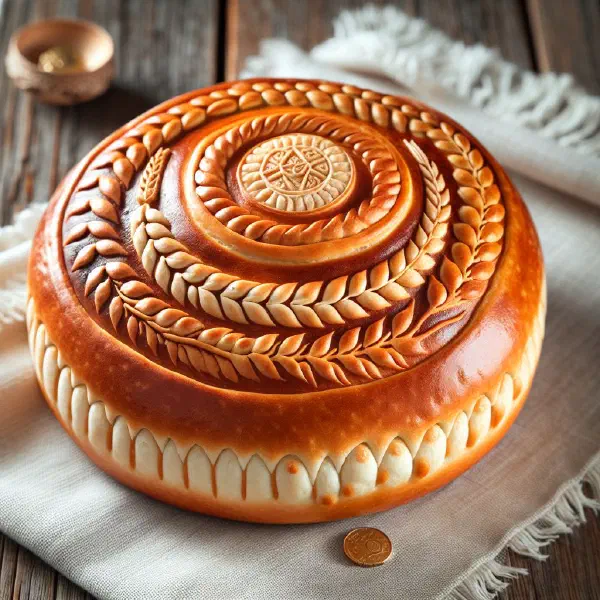
Pogacha has a long history that runs deep through Balkan culture. Originally a simple, sustaining food for travellers and farmers, it evolved over time into a treasured part of Macedonian cuisine. Passed down from one generation to the next, it is a symbol of hospitality and community. The bread has left its mark not only in North Macedonia but across many neighbouring Balkan countries too, and it remains a proud fixture of Macedonian cuisine.
More recipe ideas
Summary: Pogacha
In short, pogacha is a versatile and delicious bread that is easy to make at home. With its fluffy crumb and golden-brown crust, it is a treat for the senses and brings a piece of Macedonian culture to your table. Pogacha is always a fine choice. Give it a try and let its warm, freshly baked aromas win you over.