National Dish Norway: Fiskeboller (Recipe)
In this article
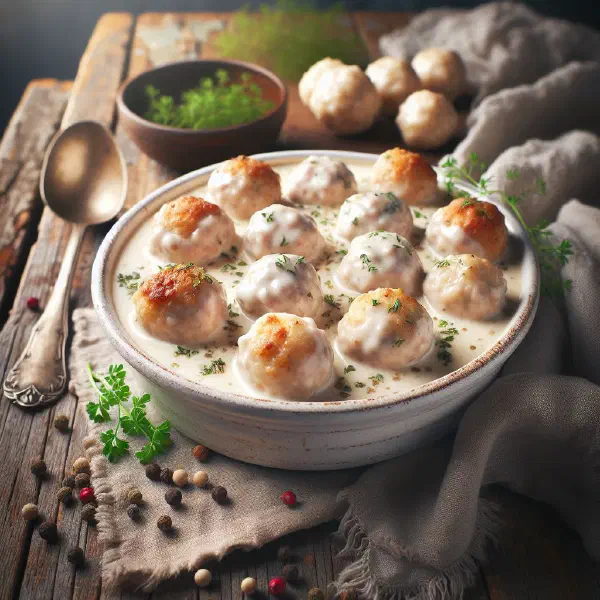
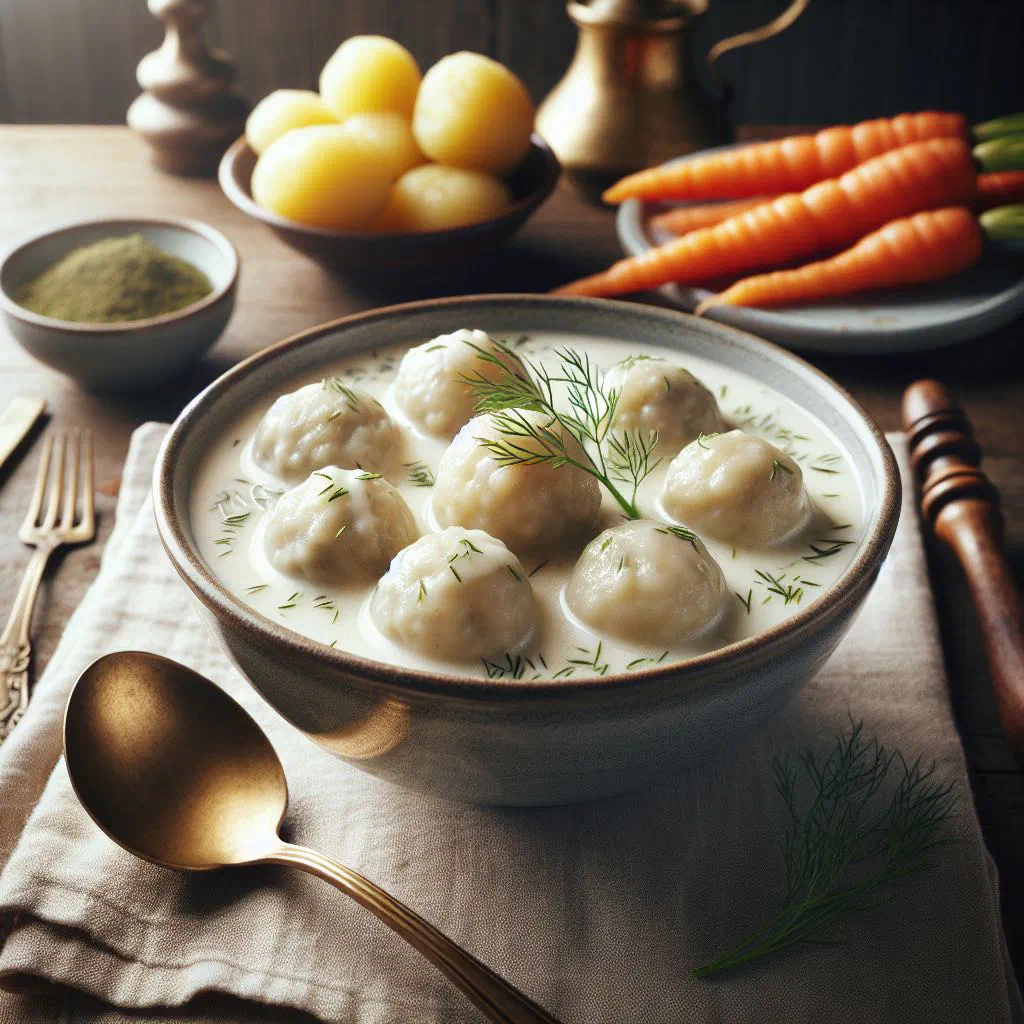
Discover Fiskeboller, the gently poached fish balls that Norwegians have been serving at the family table for generations. Tender white fish is blended with onion, egg and cream, rolled into soft rounds and simmered until they bob to the surface, then finished with a silky cream sauce brightened by lemon. Simple, comforting and unmistakably Scandinavian, a dish that carries the taste of the Norwegian coast straight into your own kitchen.
About Fiskeboller
Fiskeboller are not only a treat for the palate but a genuinely traditional Norwegian dish with its origins in the country’s coastal communities. These delicate fish balls are prized for their soft, springy texture and the clean, concentrated flavour of the fish they are made from. They are most often served with a creamy sauce that rounds the whole plate off and turns it into something memorable. In Norway, fiskeboller are a popular lunch or supper, and their versatility opens up no end of ways to prepare them.
Ingredients (serves 1–2)
- 300 g white fish fillet (cod or salmon, for example)
- 1 small onion, finely chopped
- 1 egg
- 100 ml cream or milk
- 50 g plain flour
- Salt and pepper, to taste
- Fresh herbs (dill or parsley)
- For the sauce: 200 ml vegetable stock, 100 ml cream, a squeeze of lemon juice
Shopping for the ingredients
To make the very best fiskeboller you want fresh ingredients throughout. The fish is the decisive element here. Buy good-quality fillet, either fresh or frozen, so the flavour really comes through. Pick up fresh herbs such as dill or parsley as well, since they give the dish its aromatic lift. When it comes to the cream and the vegetable stock, an organic version will often improve the finished result, the same care that pays off in a bowl of Fiskesuppe.
Preparing the dish
Before you start shaping the fiskeboller, it pays to have everything ready. Chop the onion finely and cut the fish into small pieces so it blends easily in a food processor or with a stick blender. The fresh herbs should be roughly chopped so they distribute evenly through the mixture. Set out all the equipment you will need, blender, mixing bowl and a wide pan, so the cooking runs smoothly from start to finish.
Step-by-step instructions
- Put the fish, chopped onion, egg and cream into a bowl and blend everything together well.
- Add the flour and season the mixture with salt, pepper and the fresh herbs.
- Shape the mixture into small balls and lower them into a pan of simmering water.
- Poach the balls for about 15–20 minutes, until cooked through and floating on the surface.
- For the sauce, combine the vegetable stock and cream in a separate pan and season with lemon juice, salt and pepper.
Gluten-free / lactose-free version
Fiskeboller adapt easily to a gluten-free and lactose-free diet. Simply use gluten-free flour in place of the usual plain flour, and reach for plant-based alternatives such as coconut or almond milk instead of cream. Neither change harms the flavour, and both make the dish suitable for anyone with an intolerance or a specific dietary need. Do check the labels on everything you use so you can be sure the ingredients genuinely meet those requirements.
Tips for vegans and vegetarians
There are ways for vegans and vegetarians to enjoy the spirit of fiskeboller too. A very good alternative is to replace the fish fillet with puréed pulses such as chickpeas or lentils, which give a similar consistency while adding valuable protein. Fresh herbs and spices can be worked in here as well to keep the flavour lively. The creamy sauce is easily made with a plant-based cream to finish the plate off.
More tips and tricks
To get the most out of your fiskeboller, make a larger batch and freeze the leftovers. That way a quick, satisfying meal is always within reach. Wrap the balls well before they go into the freezer. It is also worth trying different types of fish to play with the flavours and keep the dish varied. And for a little extra texture, give the poached balls a quick pan-fry before serving so they take on a crisp golden surface.
Adapting the recipe to your taste
Fiskeboller leave plenty of room for personal touches. You can rework the basic recipe by adding extra spices or vegetables such as carrot or courgette. Using a different fish, trout or plaice, say, will also give the dish a new character, much as it does in a plate of Fiskekaker. Experiment with different herbs to create a flavour that is entirely your own. Be inventive and let your imagination run, until the balls taste exactly the way you want them to.
Ingredient substitutions
If you do not have everything to hand for fiskeboller, several ingredients swap out without any trouble. Tinned fish, well drained, works in place of fresh fillet. For the sauce, plant-based stocks or alternative dairy products will give you a slightly different but equally pleasing flavour. Substitutions like these let you adapt the dish, keep costs down and broaden the range of what you cook.
Drink pairing ideas
A number of drinks partner fiskeboller beautifully. A glass of dry white wine with a touch of acidity underlines the flavour of the fish. A refreshing shandy also works well, as does anything citrus-based and alcohol-free. For those avoiding alcohol altogether, a homemade lemon sparkler is an ideal choice. All of these create a harmonious link with the fresh, clean aromas of the dish.
Serving and presentation ideas
An attractive presentation can make all the difference when you are serving fiskeboller to guests. Bring the balls to the table on a colourful plate, garnished with fresh herbs and slices of lemon. Combine them with a few well-chosen sides, mashed potatoes, a crisp salad or steamed vegetables, to make the plate look as good as it tastes. A creative spoonful of sauce swept across the plate is a final touch that pulls the whole picture together, and a slice of Flatbrod alongside never goes amiss.
A bit of history
Fiskeboller have a long tradition in Norwegian cuisine and are a fine example of how central fish has always been to the Scandinavian diet. They have been documented since the 19th century and reflect a culture built around the sea and its harvest. Historically they were often served at feasts and on special occasions, which helps explain their enduring popularity in modern Norway. The dish therefore stands for more than a good meal. It speaks to the history and the way of life of the Norwegian people.
More recipe ideas
Summary: Fiskeboller
All in all, Fiskeboller are far more than just another fish dish; they are a genuine highlight of the Norwegian kitchen. Straightforward to prepare and lovely to eat, they adapt readily to different tastes and dietary needs. They are an excellent choice. Let Scandinavian food culture inspire you and enjoy these delicious fish balls in your own kitchen.