National Dish Norway: Havregrøt (Recipe)
In this article
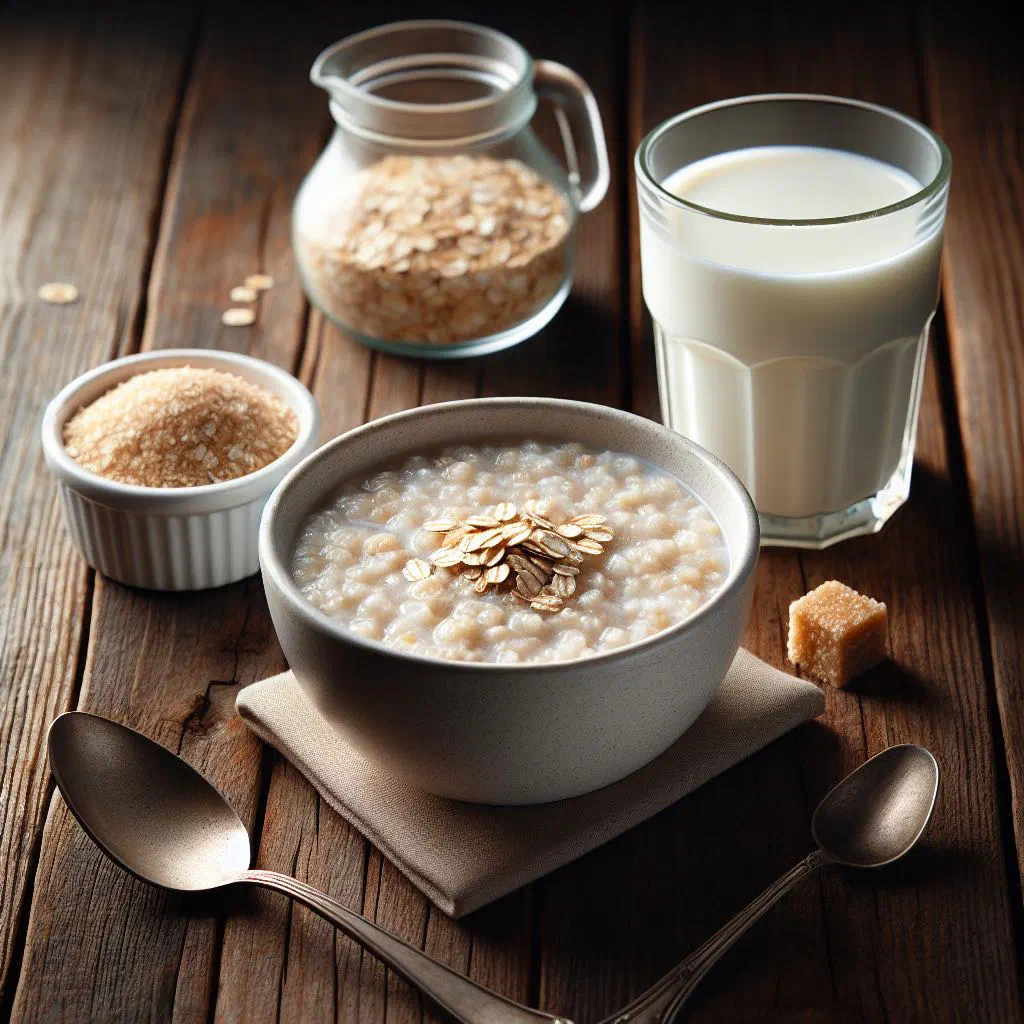
Discover Havregrøt, the creamy Norwegian oat porridge that turns a simple bowl of oats into something worth getting out of bed for. Warm, nourishing and endlessly adaptable, it takes barely ten minutes on the hob and welcomes whatever toppings you have to hand, berries, toasted nuts, a dusting of cinnamon or a swirl of honey. On a cold morning there is little that beats it.
About Havregrøt
Havregrøt, the traditional Norwegian oat porridge, is not merely a good breakfast but a genuine piece of comfort food. The dish has a long history in Norway and is bound up with memories of snug winter days spent indoors. Its smooth, creamy texture makes it a firm favourite with all ages, from toddlers to grandparents. Havregrøt also delivers plenty of what the body needs, fibre, protein and vitamins that form the backbone of a healthy diet.
Ingredients (serves 1–2)
- 1 cup rolled oats
- 2 cups water or milk
- A pinch of salt
- Optional: a sweetener such as honey or sugar
- Toppings of your choice (fresh fruit, nuts, cinnamon)
Shopping for the ingredients
When shopping for havregrøt, it pays to choose good-quality rolled oats. Several grades are available, from coarse-cut to fine; the finer flakes cook down especially quickly. There is just as much choice when it comes to the liquid, whether that is dairy milk or one of the many plant-based alternatives suited to your taste and diet. With the toppings you can let your imagination run free, fresh fruit and nuts add extra vitamins and healthy fats.
Preparing the dish
Getting ready to make havregrøt could hardly be simpler and takes only a few minutes. First decide whether to use water or milk; both produce a tasty porridge, though milk gives a richer result. If you prefer a plant-based option, try almond, oat or soya milk to discover new flavours. Keep the ingredients as fresh as possible. It makes a noticeable difference to both the taste and the nutritional value of the finished bowl.
Step-by-step instructions
- Bring the liquid (water or milk) to the boil in a saucepan.
- Add the oats along with a pinch of salt.
- Let the mixture simmer for about 5 minutes, stirring constantly, until it reaches the consistency you like.
- Tip the porridge into a bowl and sweeten to taste.
- Garnish with toppings of your choosing.
Gluten-free / lactose-free version
Anyone with a gluten intolerance can use certified gluten-free oats, which are handled separately to avoid cross-contamination. Alternatively, pseudocereals such as quinoa or amaranth give a similar texture and work well in the same method. For a lactose-free bowl, simply swap in lactose-free milk or a plant-based drink. No other changes are needed. These small adjustments mean everyone can enjoy havregrøt without a second thought.
Tips for vegans and vegetarians
For a vegan version of havregrøt, use plant-based milk and skip animal products such as honey. To sweeten the porridge, agave syrup or maple syrup make excellent substitutes and bring their own gentle character. You can also reach for plant-based toppings that add flavour and texture at the same time, chia seeds or a spoonful of nut butter are both good choices. The dish stays entirely plant-based while remaining varied and filling.
More tips and tricks
One of the best ways to get more out of your havregrøt is to experiment with spices. Cinnamon, vanilla or cardamom all lend the porridge a distinctive note, and cardamom in particular echoes the flavours of Norwegian baking such as Kanelboller. For a creamier result, stir in a splash of cream or plant-based cream just before serving. That small addition makes the porridge noticeably richer and more satisfying.
Adapting the recipe to your taste
Havregrøt offers plenty of scope for adapting the recipe to personal preference. You can vary the consistency simply by using more or less liquid, from a loose, spoonable porridge to something thick enough to stand a spoon in. Different fruits and nuts can be added according to the season and what is available. Dried fruit or seeds are another easy way to boost the nutrients while broadening the range of flavours.
Ingredient substitutions
If you are missing an ingredient or two for havregrøt, there are plenty of alternatives. In place of oats you might use einkorn flakes, barley flakes or even a mix of the two. For the liquid, any plant-based milk will do, or plain water if you would rather keep the calories down. The sweetener can be varied just as freely, a spoonful of Cloudberry Jam or lingonberry preserve gives the bowl an unmistakably Norwegian flair.
Drink pairing ideas
A whole range of drinks goes nicely with havregrøt. A cup of fresh herbal tea or a warm chai supports the gentle flavours of the porridge beautifully. For a caffeine-free option, cocoa makes a sweet start to the day, especially for younger eaters. This oat porridge also pairs well with freshly pressed juice, which adds a welcome hit of vitamins alongside the warm bowl.
Serving and presentation ideas
An attractive presentation lifts the whole havregrøt experience. Use a handsome bowl and decorate the porridge with fresh fruit, nuts and a drizzle of honey or maple syrup. A few mint leaves or edible flowers add extra colour and freshness. We eat with our eyes first, after all, and a well-dressed bowl lifts the mood, much as a plate of Vafler does at a Norwegian coffee table.
A bit of history
Havregrøt originated in Norway and was a staple centuries ago, prepared in virtually every household. Farming families valued it for its nutritional density and the speed with which it could be made before a long day’s work. Traditionally the porridge was finished with whatever happened to be in season, which made it an unusually adaptable dish. It sits alongside older grain and dairy porridges such as Rømmegrøt as a cornerstone of Norwegian cuisine, and it remains popular far beyond the country’s borders.
More recipe ideas
Summary: Havregrøt
In short, havregrøt is a delicious and nourishing choice for anyone after a straightforward yet genuinely healthy breakfast or snack. Its handful of simple ingredients are easy to swap, so you can shape the dish entirely around your own preferences. The flexibility of the toppings, together with the ease of making it gluten-free or lactose-free, makes this porridge a wonderful option for almost every kind of diet. Give it a try and enjoy an authentic taste of Norway.