National Dish Norway: Juicy Elgkarbonader (Recipe)
In this article
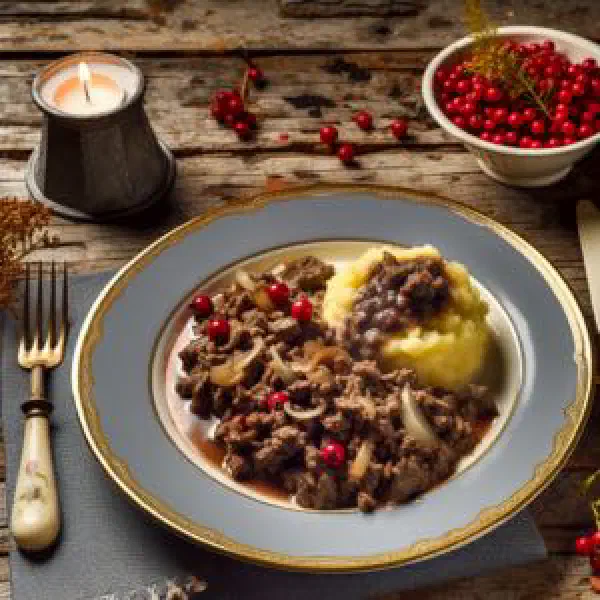
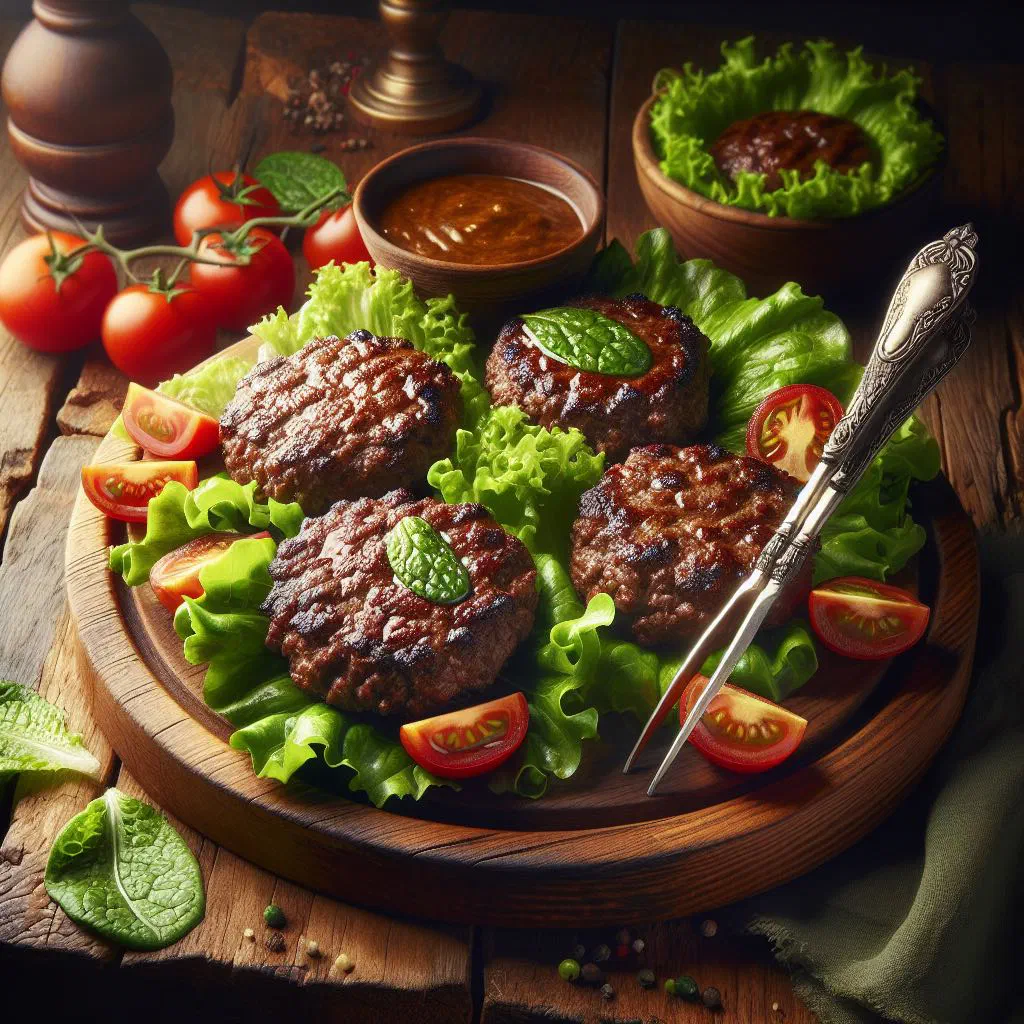
Discover Elgkarbonader, Norway’s much-loved moose patties. Tender, juicy and gently scented with thyme, they turn wild moose meat into a hearty supper that feels every bit as at home on a rustic kitchen table as it does beside a summer barbecue. A spoonful of tart lingonberry jam alongside, and you have the essence of Scandinavian cooking on a plate.
About Elgkarbonader
Elgkarbonader, sometimes simply called moose burgers, are a traditional Norwegian dish celebrated for their outstanding flavour and for their deep roots in Norwegian culture. These tender patties are made from wild moose meat and count among the country’s best-loved national dishes. If you are looking for a hearty dinner that will impress your guests, Elgkarbonader are the perfect choice. With their combination of aromatic herbs and warming spices, they offer a flavour experience that captures the very essence of Scandinavian cooking, much like the game classic Reinsteik Med Tyttebaer.
Ingredients (serves 1–2)
- 400 g moose meat, minced
- 1 small onion, finely chopped
- 1 egg
- 2 tablespoons breadcrumbs
- 1 teaspoon salt
- ½ teaspoon pepper
- 1 teaspoon dried thyme
- 1 teaspoon lingonberry jam (optional)
- Oil, for frying
Shopping for the ingredients
When shopping for Elgkarbonader, the most important thing is to choose the freshest possible moose meat. Many supermarkets and butchers specialising in game carry good-quality moose, and a butcher will often mince it for you on the spot. The herbs and spices should be fresh as well, so their aroma comes through properly in the finished patties. If you are not keen on onion, spring onions make a lighter, milder substitute that shifts the flavour in a fresh direction.
Preparing the dish
Preparing Elgkarbonader is quick and refreshingly straightforward. Start by laying out all your ingredients on the worktop so that nothing gets overlooked once you begin. Take care to work the moose meat thoroughly with your hands, as this gives the mixture an even, cohesive consistency that holds together in the pan. Chop the onion as finely as you can, so it blends smoothly into the patties rather than sitting in noticeable chunks.
Step-by-step instructions
- Put the minced moose meat into a large bowl and add the chopped onion.
- Add the egg, breadcrumbs, salt, pepper and thyme, then mix everything together thoroughly.
- Shape the mixture into evenly sized patties and press them down lightly.
- Heat a little oil in a frying pan and fry the patties on both sides until golden brown.
- Serve the Elgkarbonader hot, with a spoonful of lingonberry jam alongside if you like.
Gluten-free / lactose-free version
To make Elgkarbonader gluten-free, simply use gluten-free breadcrumbs. These are widely available these days and give much the same binding and consistency as conventional ones. Keeping the dish lactose-free is easy too: just check that the oil and any spice blends you use contain no dairy derivatives. With these small adjustments the flavour of the patties remains entirely unchanged, so nobody at the table has to miss out.
Tips for vegans and vegetarians
Although Elgkarbonader are traditionally made with moose meat, a vegan or vegetarian version works beautifully. Replace the meat with a mixture of black beans, quinoa and finely chopped vegetables to achieve a satisfyingly meaty texture. This alternative keeps the character and bite that make karbonader so distinctive, while spices such as smoked paprika add extra depth and a savoury warmth. Serve it with the same sides and few will feel anything is missing.
More tips and tricks
To make your Elgkarbonader even tastier, try varying the herbs and spices. Coriander or a pinch of garlic powder, for instance, will take the flavour in an interesting new direction. It is also well worth chilling the shaped patties in the fridge for about 30 minutes before frying, as this firms them up considerably. They then hold their shape far better in the pan and are much less likely to fall apart while cooking.
Adapting the recipe to your taste
The recipe for Elgkarbonader adapts easily to personal preference. Add grated carrot or courgette, for example, to work a little more vegetable into the dish and keep the patties especially moist. Different herbs such as basil or oregano can be stirred in depending on what you enjoy. For a gentler result, reduce the pepper or reach for a milder variety of onion, the same balancing trick that works so well in Kjottkaker.
Ingredient substitutions
If moose proves difficult to get hold of, other meats work well in Elgkarbonader too. Beef or wild boar are both excellent stand-ins, offering a different but no less delicious flavour. If you would prefer a slightly healthier option, swap the breadcrumbs for rolled oats, which give the patties a pleasantly rustic texture. Just remember to adjust the seasoning accordingly so the finished result tastes properly balanced.
Drink pairing ideas
Plenty of drinks pair nicely with Elgkarbonader. A fruity red wine harmonises wonderfully with the rich, slightly gamey flavour of moose. For an alcohol-free option, berry-based cordials or a homemade lemonade with fresh herbs make a refreshing choice. Alternatively, a Scandinavian beer suits the hearty patties perfectly and rounds out the northern character of the meal, as does a warming glass of Glogg on a cold evening.
Serving and presentation ideas
To present Elgkarbonader at their best, serve them on a rustic wooden board. Add fresh herbs and a scattering of lingonberries, which lend the dish colour and a welcome fruity sweetness. A crisp salad or some steamed vegetables on the side create a pleasing balance and bring extra freshness to the plate. Do not underestimate the effect of handsome plates and bowls either. They lift the whole dining experience.
A bit of history
Elgkarbonader have their roots in Norwegian culture, where moose hunting is a deeply established tradition. The dish reflects the close relationship Norwegians have with nature and with cooking from local ingredients. While moose was once eaten largely out of necessity, it is enjoyed today as something genuinely prized, and it has become a quiet source of pride within Norwegian cuisine. Moose is no longer merely a source of food but an ingredient that enriches Scandinavian fine dining.
More recipe ideas
Summary: Elgkarbonader
All in all, Elgkarbonader are a wonderful way to bring a piece of Norwegian culture into your own kitchen. With their tender texture and savoury depth of flavour, they are ideal for a sociable dinner or a relaxed barbecue with friends. Made with local moose meat and a handful of well-chosen spices, these patties deliver a delicious result while remaining genuinely simple to prepare. Experiment with the different variations to create your own version of this traditional favourite.