National Dish Norway: Komle (Recipe)
In this article
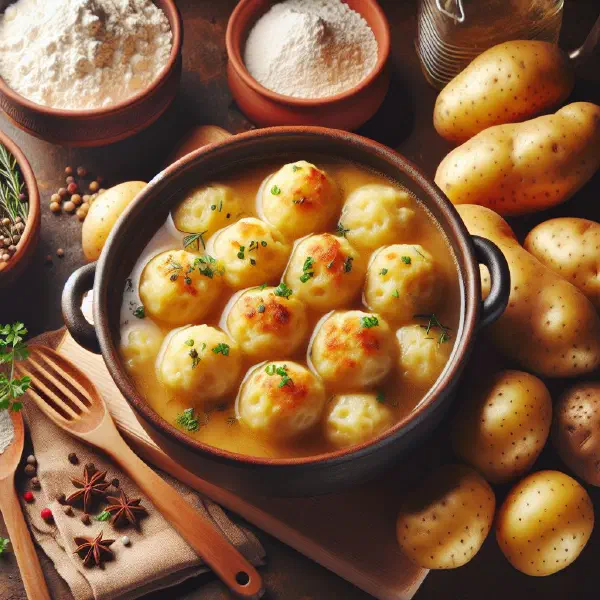
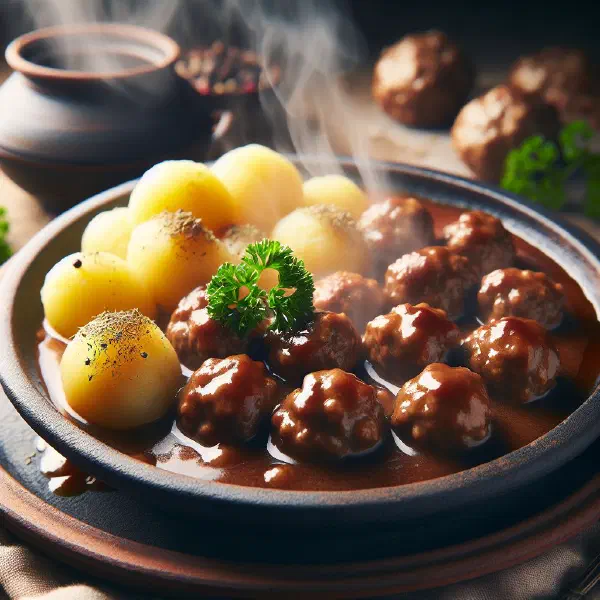
Say hello to Komle, the hearty potato dumpling that has warmed Norwegian kitchens for generations. Soft, filling and quietly comforting, it turns a handful of humble potatoes into a dish worthy of a family feast. Traditionally wrapped around salted fish or cured meat and simmered until it bobs to the surface, komle is the sort of food that fills a house with steam and good spirits. Best of all, it asks for nothing more than patience and a large pan.
About Komle
Komle, also known as Raspeballer or served alongside Klippfisk, is a much-loved traditional dish from Norway. It is built mainly around potatoes, worked into a savoury dough that holds together beautifully during cooking. Combined with well-seasoned fish or meat, komle becomes a substantial dish often served at feasts and celebrations. The preparation is refreshingly simple, which makes it a wonderful way to bring Norwegian culture and cooking into your own home.
Ingredients (serves 1–2)
- 500 g potatoes
- 200 g flour (plain wheat flour or potato flour)
- 1 teaspoon salt
- 200 g fish (klippfisk, for example) or meat (such as ham)
- Water for boiling
- Butter or oil, to serve
Shopping for the ingredients
The ingredients for komle are easy to find in most supermarkets and grocery shops. Fresh potatoes, which form the base of the dough, should be firm and free of bruises. Klippfisk, usually dried and salted, can be found at a well-stocked fishmonger or ordered online. Look for good-quality produce throughout. It makes a noticeable difference to the finished flavour.
Preparing the dish
Before you start making komle, wash and peel the potatoes thoroughly. Boil them in salted water until they are soft enough to crush easily with a fork, then let them cool a little before you make the dough. Prepare the fish or meat carefully as well, chopping it into small pieces so it distributes evenly through the dumplings. This kind of groundwork is what keeps a rustic dish like Raspeballer reliably good.
Step-by-step instructions
- Mash the boiled potatoes thoroughly and combine them with the flour and salt.
- Knead the dough until it comes together as a smooth, even mass.
- Take portions of the dough and shape them around the chopped fish or meat so the filling is fully enclosed.
- Bring a large pan of water to the boil and lower the filled dumplings in carefully.
- Simmer the komle for around 20 minutes, until they rise to the surface.
- Lift the komle out, serve with butter or oil, and enjoy.
Gluten-free / lactose-free version
For a gluten-free komle, use gluten-free flour or rice flour in place of wheat flour. These alternatives offer similar binding properties and keep the dough from falling apart in the pan. If you are avoiding lactose, swap the butter for a lactose-free spread or a plant-based oil. Check the labels on your ingredients carefully and you will end up with a delicious result that everyone at the table can share.
Tips for vegans and vegetarians
Vegans and vegetarians can adapt komle simply by replacing the animal products with plant-based fillings. Instead of meat or fish, try fried mushrooms or lightly steamed vegetables, much as you would in a comforting Grønnsakssuppe. These options bring plenty of flavour and add welcome nutrients too. Play around with different herbs and spices to find a vegan version you genuinely look forward to.
More tips and tricks
To get the best possible texture, make sure the potatoes are not too wet, excess moisture will soften the dough and spoil the bite of the komle. If the mixture feels sticky, work in a little extra flour until the consistency is right. It also helps to lightly flour your hands while shaping the dumplings so nothing clings to your fingers as you go.
Adapting the recipe to your taste
The komle recipe is remarkably adaptable. Depending on what you enjoy, you can fold different vegetables or seasonings into the mixture. Onions or chopped herbs worked into the dough add another layer of aroma. The filling, too, is entirely up to you, from mild and savoury to something with a bit more punch. There are plenty of ways to make komle your own.
Ingredient substitutions
If you would rather not use ordinary potatoes, sweet potatoes or parsnips are worth trying for a slightly different flavour. For a gluten-free dough that goes beyond the obvious, almond or coconut flour are also options. Where fish is called for, plant-based alternatives such as tofu or jackfruit stand in well and bring their own character to the dish.
Drink pairing ideas
A hearty dish like komle sits best alongside a light white wine or a fruity beer. Both support the flavour without overwhelming it. Sparkling mineral water or ginger beer make excellent alcohol-free choices and cut nicely through the richness. It is worth experimenting a little to find the pairing you like most, particularly if you are serving komle as part of a larger spread.
Serving and presentation ideas
The look of komle can be lifted with fresh herbs such as parsley or chives scattered over the top. Serve on a rustic wooden board or on your best plates for a celebration. A small spoonful of mustard or a spoon of sauce on the side adds both colour and contrast. Small touches like these turn a simple plate of dumplings into something memorable.
A bit of history
Komle is deeply rooted in Norwegian history and was traditionally made in rural districts. The production of klippfisk goes back several centuries, with the fish preserved by drying and salting so it kept through the year. Those techniques meant households had enough to eat even through harsh winters, alongside staples such as Lutefisk and Lapskaus. Today komle is not merely a dish but a symbol of Norwegian cuisine and hospitality.
More recipe ideas
Summary: Komle
Komle is a hearty traditional Norwegian dish that is straightforward to make and open to endless variation. The harmonious pairing of potatoes with your choice of fish or meat has long made it a favourite at celebrations. With good ingredients and a few adjustments to suit your own preferences, komle can become the highlight of your table. Let Norwegian cooking inspire you and enjoy this authentic dish in your own kitchen.