National Dish Norway: Lefse (Recipe)
In this article
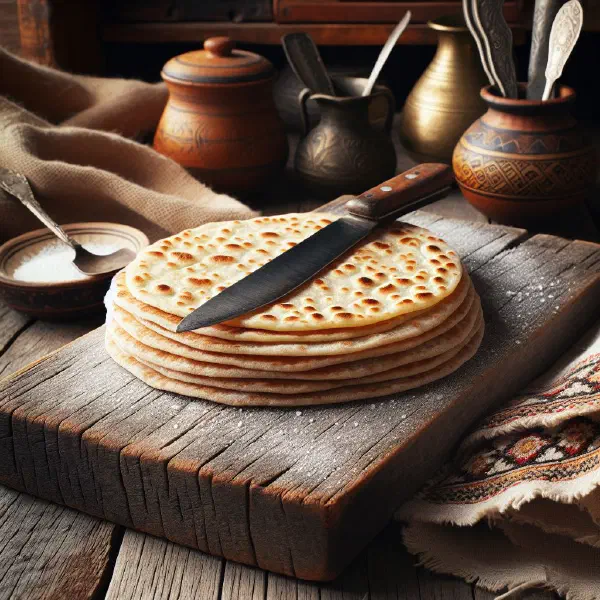
Discover Lefse, the soft potato flatbread that sits at the very heart of Norwegian home baking. Tender, pliable and faintly sweet, it can be rolled around anything from cinnamon sugar to cured meats and cheese. A few humble ingredients, potatoes, flour, milk and butter, turn into something that tastes of long winters, warm kitchens and family tradition. Bring a little Norwegian flair to your own table and give it a try.
About Lefse
Lefse is a traditional Norwegian flatbread usually made from potatoes, flour and milk. This delicate bake has a long history and was originally developed as a way of keeping a store of food through the winter months. Today lefse is enjoyed just as enthusiastically in Norwegian households as it is in kitchens further afield. Filled sweet or savoury, the variations are all but endless, which makes it a wonderfully versatile dish.
Ingredients (serves 1–2)
- 2 medium potatoes
- 100 g plain wheat flour
- 50 ml milk
- 1 tablespoon butter
- 1 pinch of salt
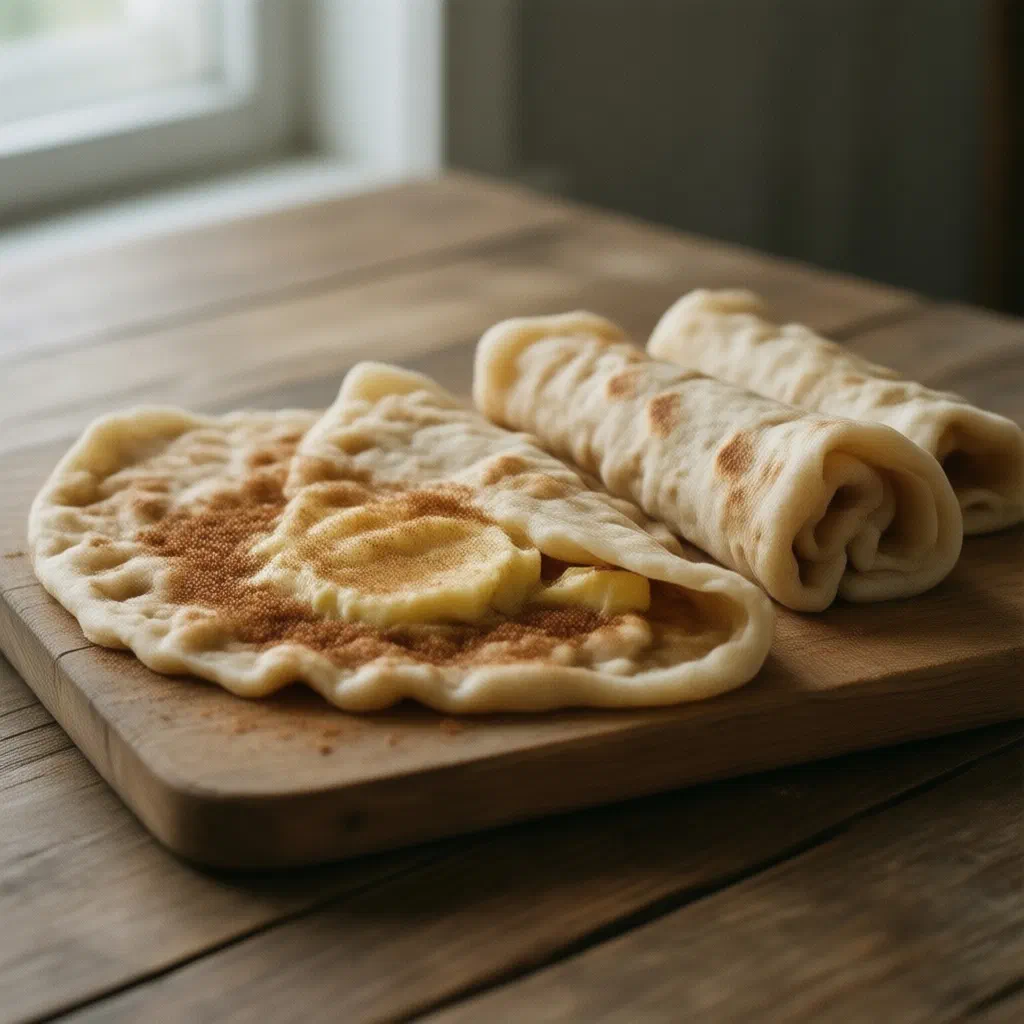
- Sugar and cinnamon (for the sweet version)
Shopping for the ingredients
When shopping for lefse, quality really does matter. Fresh potatoes are the heart of this recipe and should be the best you can find, floury varieties give the softest result. Choose a wheat flour suited to bread making, and make sure the milk and butter are fresh and of good quality, as they carry much of the flavour in such a simple dough.
Preparing the dish
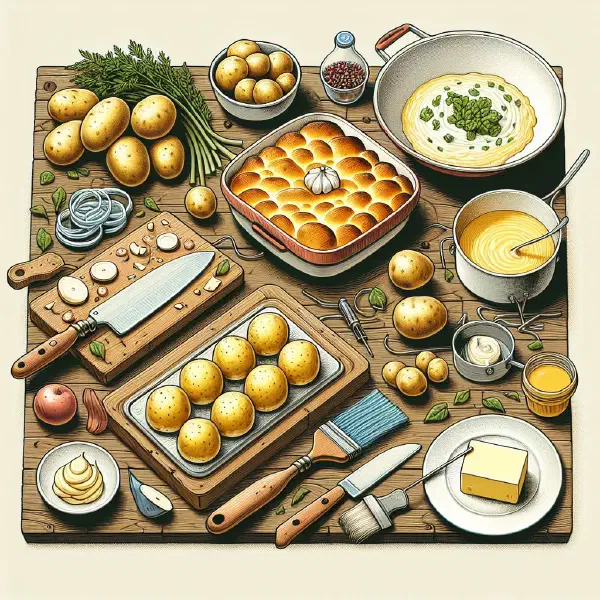
Preparing lefse is straightforward and takes only a few steps. Begin by peeling and boiling the potatoes until they are soft. Let them cool a little before puréeing or mashing them until completely smooth. In a separate bowl, combine the flour, milk and butter with a pinch of salt to bring everything together into a smooth dough.
Step-by-step instructions
- Peel, boil and mash the potatoes.
- In a bowl, mix the mashed potatoes with the flour, milk, butter and salt.
- Knead to a smooth dough and leave to rest for 10 minutes.
- Roll the dough out very thinly on a floured surface.
- Bake in a hot dry pan, without fat, until golden brown.
- Leave the finished lefse to cool on a clean tea towel.
Gluten-free / lactose-free version
For a gluten-free lefse, use one of the gluten-free flour blends now widely stocked in supermarkets, and check that the remaining ingredients are gluten-free too. For a lactose-free version, replace the milk with a plant-based alternative and the butter with a suitable margarine or coconut oil. These small adjustments make lefse accessible to anyone following a special diet.
Tips for vegans and vegetarians
To make a vegan version of lefse, simply leave out the butter or swap it for a plant-based fat. Using plant-based milk keeps the recipe entirely dairy-free. Finish the flatbreads with ground nuts, fresh fruit or a plant-based spread to enrich the flavour, a spoonful of Tyttebaersyltetoy is especially good. That way the dish stays delicious and suits a broad range of guests.
More tips and tricks
To get the best out of lefse, make the dough ahead of time and let it rest overnight in the fridge. This improves both the texture and the depth of flavour. Preheat the pan properly so the flatbreads bake evenly rather than drying out. A silicone mat is useful when rolling the dough out, as it stops the very thin rounds from sticking.
Adapting the recipe to your taste
The lefse recipe is remarkably adaptable. Try different flours, such as spelt or wholemeal, for a different flavour and texture. In the sweet version you can replace the sugar with honey or maple syrup. Adjusting the recipe like this lets you create your own take on this Norwegian classic, whether you prefer it plain, spiced or lightly sweetened.
Ingredient substitutions
If you do not have everything to hand, there are plenty of alternatives. Cauliflower in place of potatoes, for example, gives a lower-carbohydrate result. Instead of milk you might use coconut milk or oat milk to lend the dough a particular character. Spices such as nutmeg or garlic powder are another easy way to vary the flavour, especially if you plan to serve the lefse alongside something savoury.
Drink pairing ideas
A range of drinks rounds off the lefse experience nicely. Hot chocolate or a fruity tea suits the sweet version beautifully and echoes its gentle spice. For the savoury version, a Norwegian beer or a malty ale underlines the flavours well, while a warming glass of Glogg is hard to beat in winter. Fresh fruit juices are another refreshing choice that adds a lively note to the meal.
Serving and presentation ideas
Presentation can lift the whole lefse experience. Serve the flatbreads on an attractive wooden board and decorate with fresh herbs or fruit. If you have made the sweet version, scatter over a generous dusting of cinnamon sugar just before serving. Small wooden skewers or folded napkins help keep the rolled lefse tidy and make them easy to pick up, much as you would with a plate of Vafler.
A bit of history
Lefse has its roots in Scandinavian cooking and was once used by farmers as a way of preserving food. Its popularity grew quickly and it became an important part of Norwegian culture, with traditional family recipes still handed down from one generation to the next. Lefse is often served at festivals and special occasions and remains a much-loved staple of Norwegian cuisine.
More recipe ideas
Summary: Lefse
With a simple recipe and fresh ingredients you can bring a piece of Norwegian cooking into your own kitchen. Lefse is sure to be a hit. Give it a go and enjoy this small but treasured part of Norway’s food culture.