National Dish Norway: Lingonberry Jam (Recipe)
In this article
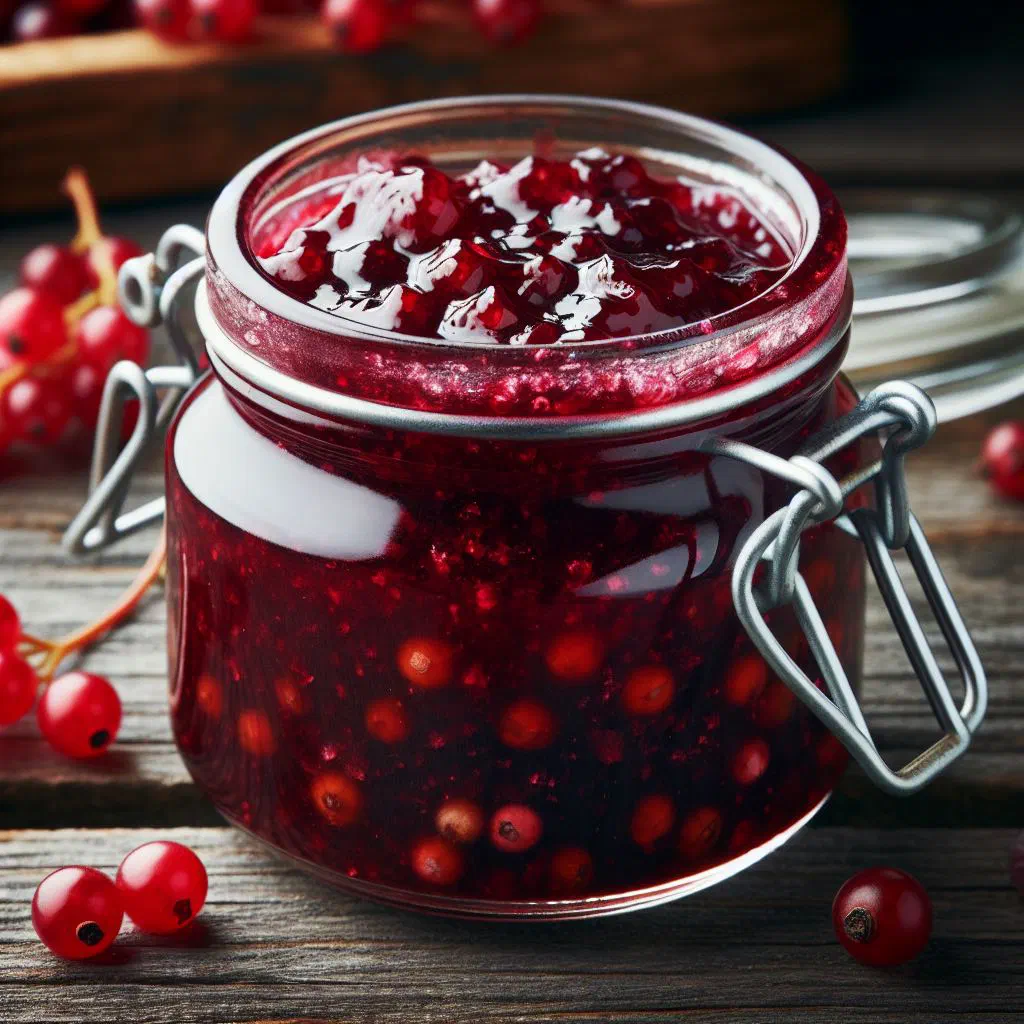
Meet Lingonberry Jam, tyttebærsyltetøy, the ruby-red preserve that sits on almost every Norwegian table. Sharp, sweet and faintly wild, it is the little spoonful that lifts a plate of meatballs, crowns a warm waffle or brightens a bowl of porridge. It takes barely twenty minutes to make, keeps beautifully, and carries a genuine taste of the Scandinavian forest straight into your kitchen.
About Lingonberry Jam
Lingonberry jam is an indispensable part of Norwegian cooking. This glossy preserve has a distinctive sweet-and-sour flavour that pairs with a remarkable range of dishes. It is served most often alongside waffles or meat dishes, where its tartness cuts richness and adds a bright finish. Making it at home is refreshingly simple, and the balance of sugar and fruit is easy to adjust to your own liking.
Ingredients (serves 1–2)
- 250 g fresh or frozen lingonberries
- 150 g sugar
- 1 tablespoon lemon juice
- 1 teaspoon vanilla extract (optional)
Shopping for the ingredients
The ingredients for lingonberry jam are easy to find in most supermarkets. Look for fresh or frozen lingonberries with an even colour and a firm feel, soft or dull berries will make a duller jam. The sugar should be of good quality too, since it carries the sweetness of the finished preserve. If you would like an extra layer of flavour, a specialist food shop is the best place to track down a good vanilla extract.
Preparing the dish
Begin with the ingredients themselves. If you are using fresh lingonberries, pick them over carefully for stalks, leaves or damaged fruit. Rinse the berries thoroughly and leave them to drain on a clean tea towel. Frozen berries should come out of the freezer in good time so they can thaw before you start. Have the remaining ingredients measured out and to hand. It makes the cooking itself far more relaxed, much as it does when you prepare Multekrem.
Step-by-step instructions
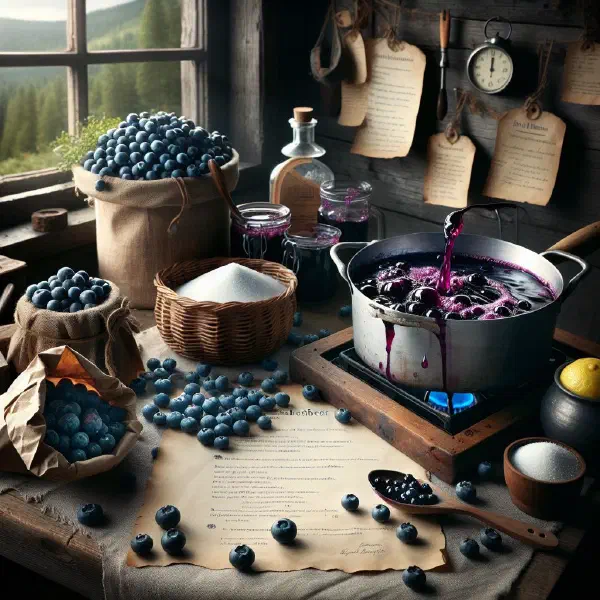
- Put the lingonberries into a medium saucepan with the sugar and the lemon juice.
- Heat the mixture over a medium heat, stirring now and then, until the sugar has completely dissolved.
- Bring to the boil, then let it simmer for around 10–15 minutes, until the berries have softened and the jam has reached the consistency you want.
- Stir in the vanilla extract if using, then leave the jam to cool before ladling it into a sterilised jar.
Gluten-free / lactose-free version
Lingonberry jam is naturally gluten-free and lactose-free, since the main ingredients are simply berries and sugar. You can enjoy the recipe exactly as written even with a gluten or lactose intolerance. Do check, though, that none of the ingredients you buy carry hidden sources of gluten or dairy. That makes this preserve a safe and welcome choice for anyone following a restricted diet.
Tips for vegans and vegetarians
Lingonberry jam is an excellent option for vegans and vegetarians, as it contains no animal products at all. Just make sure the sugar you use is vegan, since some refined sugars are filtered through bone char. A splash of vanilla extract adds a lovely rounded note and is almost always vegan too. Spread the jam on wholemeal bread or spoon it over plant-based desserts.
More tips and tricks
To vary the character of your lingonberry jam, try adding warm spices such as cinnamon or clove. Adjust the sugar to suit both your taste and the ripeness of the fruit, riper berries need less. For a thicker set, simply let the jam simmer for longer, stirring occasionally so it does not catch. You can also blend it briefly for a smoother, more spoonable texture.
Adapting the recipe to your taste
Shift the balance of sugar and acidity a little in either direction until the jam tastes right to you. If you prefer something less sweet, simply hold back on the sugar. You can also fold in other berries, raspberries or strawberries, for example, to add a new dimension of flavour, in the same generous spirit as Trollkrem.
Ingredient substitutions
If you have no lingonberries to hand, other berries will still give you a delicious preserve. Raspberries or strawberries work particularly well, though they bring a softer, sweeter profile. Instead of sugar you might use a natural sweetener such as honey or agave syrup. Bear in mind that both the set and the finished flavour will shift depending on what you substitute.
Drink pairing ideas
Plenty of drinks sit well with lingonberry jam. A freshly brewed black tea is a fine choice, its tannins balancing the sweetness neatly. For something alcohol-free, try a fruity sparkling water or a homemade fruit punch. If you enjoy a drink with your spread, a berry liqueur picks up the fruit notes handsomely, as does a warming glass of Gløgg on a winter afternoon.
Serving and presentation ideas
Presentation makes a real difference with a preserve like this. Serve the jam in a pretty jar and add a hand-written label to impress your guests, a detail that matters even more if you are giving it as a gift. Pair the jar with a small wooden spoon or a scattering of fresh lingonberries for a simple, appealing arrangement. Alongside a stack of Vafler, it looks every bit as good as it tastes.
A bit of history
Lingonberry jam has a long tradition in Norwegian cooking and is bound up closely with Scandinavian culture. The lingonberry itself grows wild across much of Norway and has become a cornerstone ingredient of the country’s regional food. Historically, preserving berries was a practical matter: it made the autumn harvest last through the winter and supplied vital nutrients when little else was available. Preserving lingonberries is therefore not only delicious but a genuine piece of Norwegian cuisine and its cultural history.
More recipe ideas
Summary: Lingonberry Jam
Lingonberry jam is far more than a simple preserve; it is a small pleasure of Norwegian cooking, offering a unique flavour that proves remarkably versatile. Whether spread on bread, spooned beside waffles or stirred into a dessert, it brings Scandinavian character straight to your table. Give it a try and discover just how many ways it can earn its place in your own kitchen.