National Dish Norway: Lutefisk (Recipe)
In this article
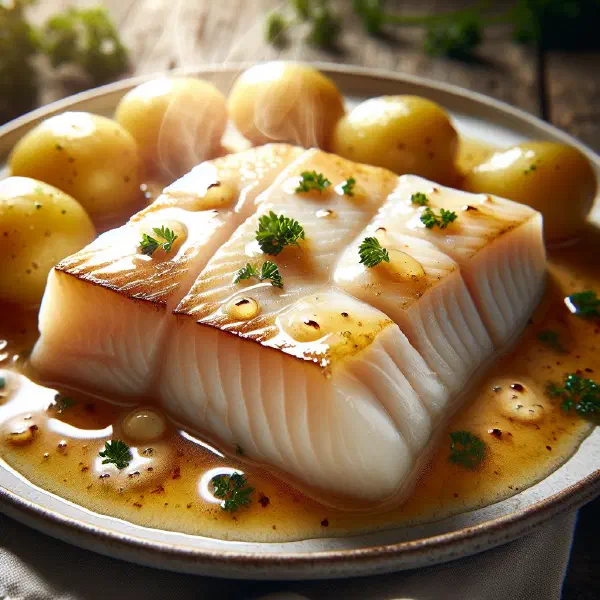
Few dishes divide opinion quite like Lutefisk, Norway’s most talked-about Christmas classic. Made from dried cod that is patiently rehydrated in an alkaline solution, it emerges with a soft, almost translucent texture unlike anything else on the festive table. Served simply with plenty of melted butter, it is a dish steeped in centuries of coastal tradition, and one that rewards the cook who is willing to plan a week ahead.
About Lutefisk
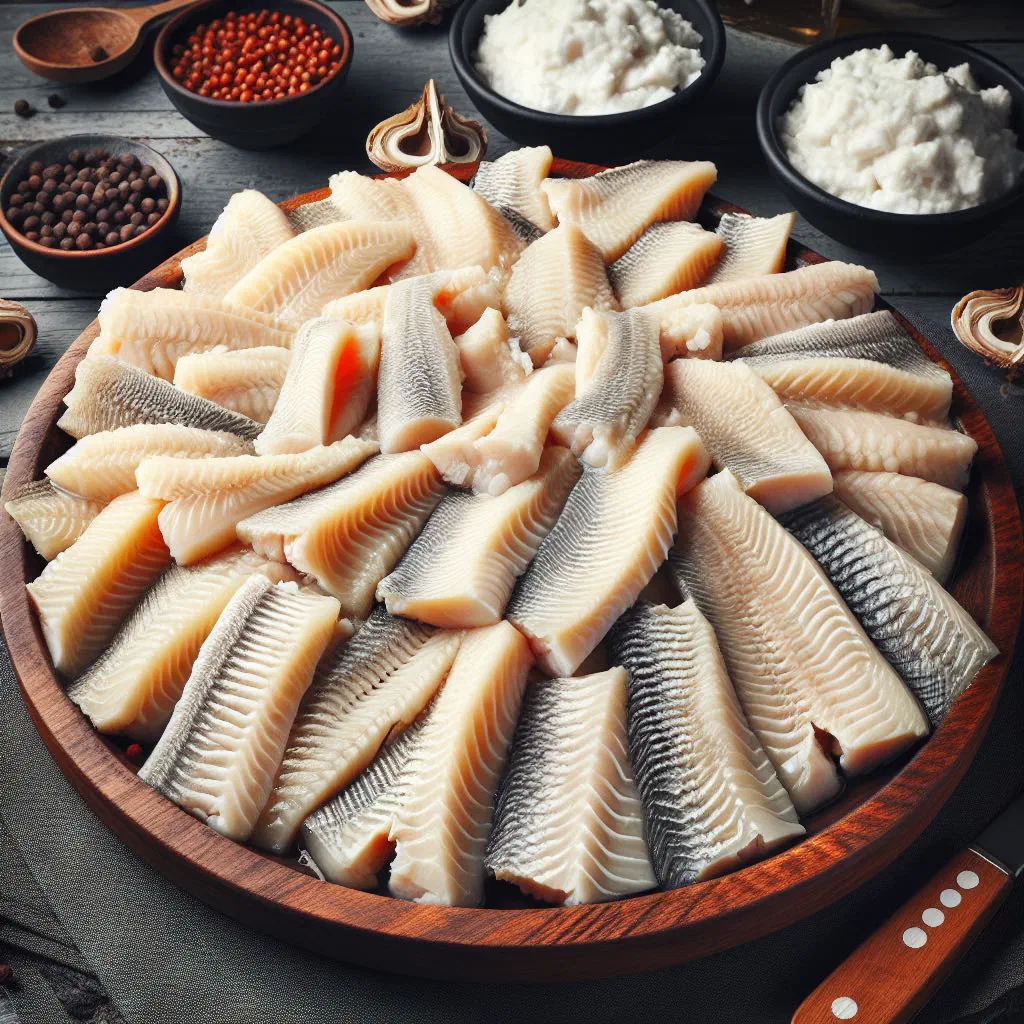
Lutefisk is a traditional Norwegian dish made from dried fish, most commonly cod. The fish is soaked in an alkaline solution, which gives it its characteristic gelatinous, almost jelly-like consistency. That texture is precisely what makes the dish so distinctive: mild in flavour, delicate on the fork and utterly unlike fresh fish. Lutefisk is especially popular in Norway during the Christmas season, when families gather around long tables to share it with butter, potatoes and a good deal of conversation.
Ingredients (serves 1–2)
- 500 g dried cod
- 100 g baking soda
- 2 litres water
- 50 g butter
- Salt and pepper, to taste
Shopping for the ingredients
Dried cod and baking soda are available in well-stocked supermarkets or in specialist Scandinavian food shops, and both can also be ordered online if you live far from a Nordic deli. Butter, salt and pepper are standard store-cupboard items that most households already have to hand. If you are buying dried fish for the first time, look for pale, evenly dried pieces without dark patches, the same quality you would want for Klippfisk.
Preparing the dish
Before you cook anything, the fish must soak in an alkaline solution for five to seven days. This calls for a little forward planning to make sure the fish is ready to serve on the day you want it. Set aside a large, non-reactive container and a cool corner of the kitchen, and get into the habit of changing the water at the same time each day. The waiting is part of the ritual, and it is what turns a rock-hard piece of dried cod into something tender.
Step-by-step instructions
- Place the dried cod in 2 litres of water and add 50 g of baking soda.
- Leave the fish to soak in this solution for 5–7 days, changing the water daily.
- Lift the fish out of the solution and rinse it thoroughly under cold running water.
- Poach the fish in a pan of lightly salted water over medium heat for about 30 minutes.
- Melt the butter and serve the cooked fish with the melted butter, salt and pepper to taste.
Gluten-free / lactose-free version
Lutefisk is naturally gluten-free, since the recipe relies on nothing but fish, water and seasoning. Just check that any accompaniments such as flatbread or sauces are gluten-free too. For a lactose-free version, replace the butter with a good plant-based margarine or a clarified, lactose-free spread. The dish loses none of its character, and everyone at the table can tuck in without a second thought.
Tips for vegans and vegetarians
Lutefisk is built around fish, which makes a direct vegan substitute genuinely difficult. That said, adventurous cooks have had success applying a similar poaching-and-butter approach to firm tofu or young jackfruit, which can echo the soft texture and mild flavour. Serve it with the same melted plant butter, potatoes and peas, and you keep the spirit of the meal intact even if the fish is absent.
More tips and tricks
When cooking lutefisk, wrapping the fish in parchment paper helps it hold together and preserves that prized consistency. Another useful trick is to steam the fish over boiling water rather than boiling it directly, which makes it more tender and reduces the risk of it falling apart. Handle the cooked fish with a wide slotted spatula, and resist the urge to stir the pan.
Adapting the recipe to your taste
The recipe takes well to small adjustments. Use more or less salt depending on your preference, and vary the cooking time to reach the texture you like best, a shorter poach keeps the flesh firmer, a longer one makes it softer and more yielding. Many households also add a grinding of white pepper or a spoonful of mustard sauce, in much the same way as they would alongside Kokt Torsk Med Sandefjordsmør.
Ingredient substitutions
If dried cod is not available, fresh cod can be used instead, although this shortens the preparation considerably and produces a rather different dish. Fresh winter cod, as used for Skrei, is an excellent stand-in when the drying process is out of reach. Whichever you choose, keep the butter generous. It is the constant that ties the plate together.
Drink pairing ideas
Traditional Scandinavian drinks suit lutefisk best: aquavit is the classic partner, with its caraway warmth cutting through the richness of the butter. A light white wine works nicely too, as does a cold beer, which balances the dish’s assertive character. For a non-alcoholic option, sparkling water with lemon keeps the palate fresh between mouthfuls.
Serving and presentation ideas
Serve lutefisk on a rustic wooden platter, generously bathed in melted butter. Decorate the dish with fresh herbs for a welcome flash of colour, and arrange lemon slices around the edge as a garnish. Boiled potatoes, mushy peas and crisp bacon are the traditional companions, and a basket of Flatbrød on the table completes the picture.
A bit of history
Lutefisk has a long tradition in Norway and has been prepared for centuries. Originally, fish was dried simply to preserve it through the long northern winters, when fresh catch was scarce and salt expensive. The technique of rehydrating the dried fish in an alkaline solution was discovered later, and it is this step that gives the dish its unique flavour and consistency. Today it is one of the most recognisable pillars of Norwegian cuisine, carried from medieval coastal villages to modern Christmas tables.
More recipe ideas
Summary: Lutefisk
Lutefisk is a fascinating and thoroughly traditional Norwegian dish, particularly beloved at Christmas. With the right preparation and a little patience, this singular speciality can be made at home just as well as in a Bergen kitchen. Do experiment with different accompaniments and adjustments to create your own perfect lutefisk experience, and remember that half the pleasure lies in the week of anticipation that comes before the first forkful.