National Dish Norway: Pinnekjøtt (Recipe)
In this article
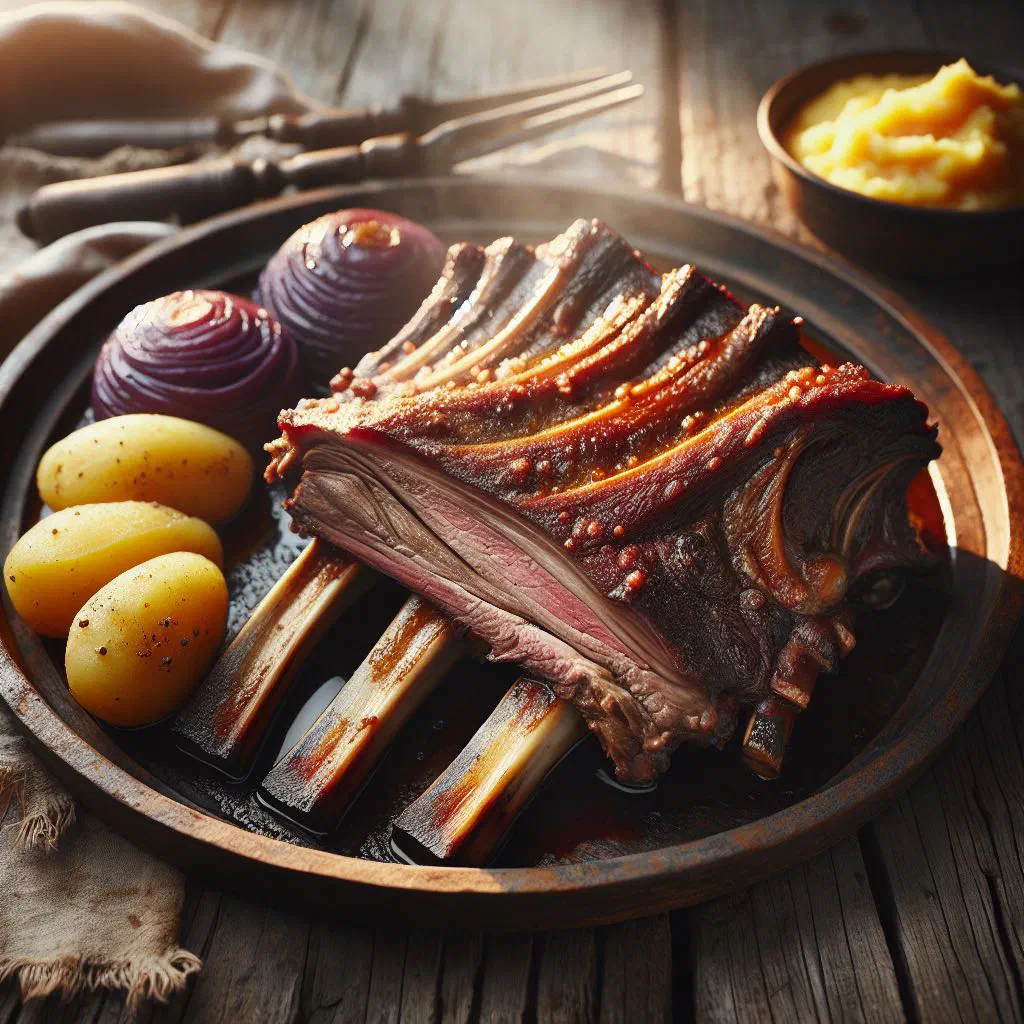
Few dishes say Norwegian Christmas quite like Pinnekjøtt. Salted and dried lamb ribs are gently steamed until the meat slides from the bone, then served with floury potatoes and a spoonful of sweet mushy peas. It is a dish built on patience, a day of soaking, a slow steam over the hob, and the reward is a deep, savoury flavour that fills the whole house. Bring a little Nordic midwinter warmth to your own table.
About Pinnekjøtt
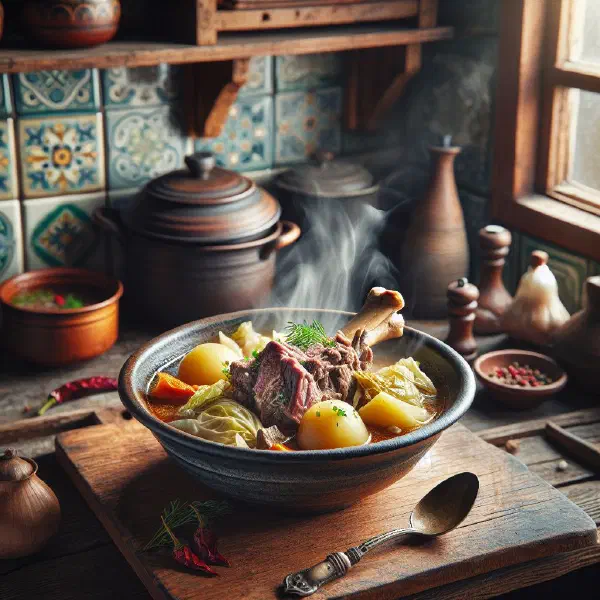
Pinnekjøtt is a true celebration dish, enjoyed in Norway above all at Christmas. It is made from dried and salted lamb ribs, prepared in a very particular traditional way. The special cooking method, steaming the meat over an open fire or in the oven, is what gives the dish its characteristically intense flavour. Pinnekjøtt is typically served with potatoes and mushy peas, sides that round off the whole experience perfectly.
Ingredients (serves 1–2)
- 500g pinnekjøtt (salted, dried lamb ribs)
- 1 litre water
- 500g potatoes
- 250g frozen pea purée
- Seasoning to taste (pepper, salt)
- Fresh herbs to garnish (parsley, for example)
Shopping for the ingredients
The ingredients for pinnekjøtt are available in most supermarkets or specialist butchers. Choosing good-quality lamb matters more than anything else here, as it decides the flavour of the finished dish. Many Norwegian food shops stock ready-cured pinnekjøtt, so you need not salt and dry the meat yourself. If you go for fresh produce instead, remember to buy the meat a few days ahead so it is ready in time for cooking.
Preparing the dish
Preparing pinnekjøtt begins with picking the right cut of meat. Whether you use fresh or already cured ribs makes a real difference to the taste. With fresh pinnekjøtt you should soak the meat for at least a day to draw out some of the salt. It is worth changing the water several times so the meat is properly prepared and never overpoweringly salty.
Step-by-step instructions
- Soak the pinnekjøtt in cold water for at least 24 hours.
- After soaking, place the meat in a large pan and cover with fresh water.
- Simmer gently over a medium heat for around 2–3 hours, until the meat is tender.
- Meanwhile, peel the potatoes and boil them separately.
- Warm the pea purée through and season to taste.
- Serve the pinnekjøtt on a plate alongside the potatoes and the mushy peas.
Gluten-free / lactose-free version
Pinnekjøtt is naturally gluten-free and lactose-free. The dish is built almost entirely from lamb, water and the accompanying sides, all of which can be made without any gluten-containing ingredients. Do check, though, that the pea purée contains no added thickeners based on wheat, and read the labels on any seasoning blends to be certain the meal stays gluten-free from start to finish.
Tips for vegans and vegetarians
Although pinnekjøtt is a traditional meat dish, there are ways to create a vegan or vegetarian version. In place of lamb you can use plant-based alternatives such as jackfruit or lentils to achieve a comparable texture. Season and marinate them well to echo the robust, salty depth of the original. Serve with the classic sides of potatoes and mushy peas, much as you would with a hearty Gronnsakssuppe, for a harmonious plate.
More tips and tricks
To make pinnekjøtt even more flavoursome, add a splash of wine or herbs such as rosemary and thyme during cooking. These lend the dish extra aromatic depth. Finishing the meat under the grill for the last few minutes also improves the texture and develops a wonderful roasted aroma. Feel free to experiment with different sides to tune the meal to your own liking.
Adapting the recipe to your taste
Pinnekjøtt is easily adapted to personal preference. If you favour a milder result, soak the meat for longer to reduce the salt further. You can also vary the accompaniments, adding seasonal vegetables or swapping the potatoes for sweet potatoes to round the plate off differently. Remember that the choice of sides has a considerable effect on the overall flavour of the meal.
Ingredient substitutions
If you do not care for lamb, or simply cannot get hold of it, beef or pork make workable alternatives. They taste noticeably different, but cooked with the same care they are every bit as satisfying, much like the pork-rich Medisterkaker. Potatoes and peas are the standard sides, yet pears or root vegetables such as carrots create interesting flavour combinations too. Experiment freely to find your own favourite version of pinnekjøtt.
Drink pairing ideas
The right drink lifts the pinnekjøtt experience considerably. Traditionally the dish is served with Norwegian beer or with mulled wine, such as a spiced Glogg, which complements the hearty flavour of the meat beautifully. A gentle red wine or a full-bodied ale suits it equally well. Aim for drinks that underline the flavours on the plate rather than drown them.
Serving and presentation ideas
Presentation matters at the table. Arrange the pinnekjøtt attractively on the plate, ideally with a colourful spread of sides around it. A garnish of fresh herbs such as parsley not only brightens the look but adds a welcome note of freshness. Use warmed plates so the food stays hot as it is served, and the meal keeps its cosy, festive character. A dish of Surkal alongside adds a sharp, cutting contrast.
A bit of history
Pinnekjøtt has a long tradition in Norwegian cooking and is a central part of Christmas celebrations in the country. It was originally prepared as festive food for the long winter months, when fresh meat was hard to come by. Drying and salting allowed people to preserve the meat for extended periods, a technique shared with other classics of Norwegian cuisine. As a result, pinnekjøtt carries cultural as well as culinary significance.
More recipe ideas
Summary: Pinnekjøtt
In short, pinnekjøtt is a captivating Norwegian dish whose aromatic depth and time-honoured preparation win people over completely. It marries flavour with history and makes the ideal festive meal for the winter months. Whether at Christmas or for another special occasion, pinnekjøtt is food that warms the heart as much as the stomach. Let Norwegian cooking inspire you, and enjoy a piece of culture and tradition on your plate.