National Dish Norway: Rösti with Gravlaks (Recipe)
In this article
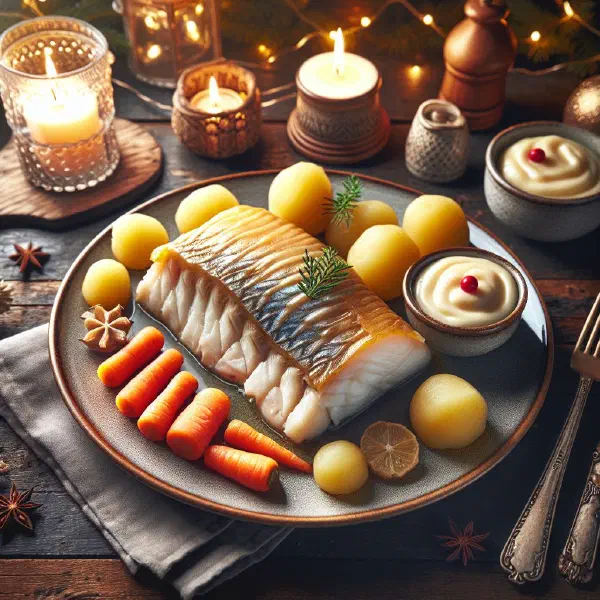
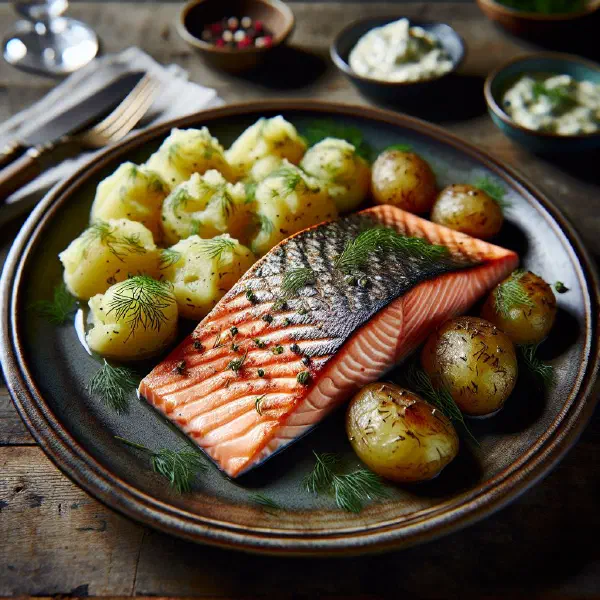
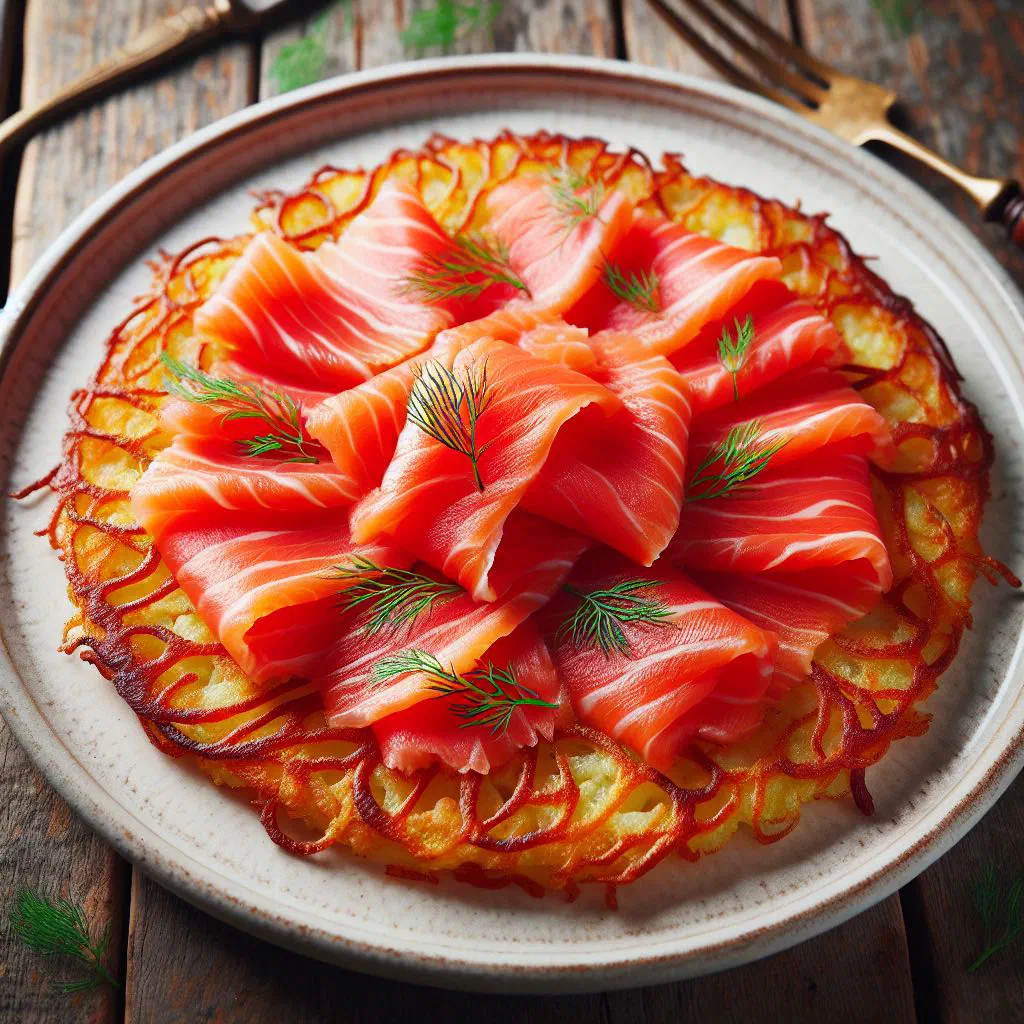
Few plates capture the spirit of the Nordic table quite like Rösti with Gravlaks. Crisp, golden potato cakes meet silky, dill-cured salmon, and the contrast of hot and cold, crunchy and soft, is what makes the dish so memorable. It works beautifully as an elegant starter for guests and just as happily as a relaxed supper for two. Add a spoonful of soured cream and a scattering of fresh dill, and you have a small taste of Norway on a plate.
About Rösti with Gravlaks
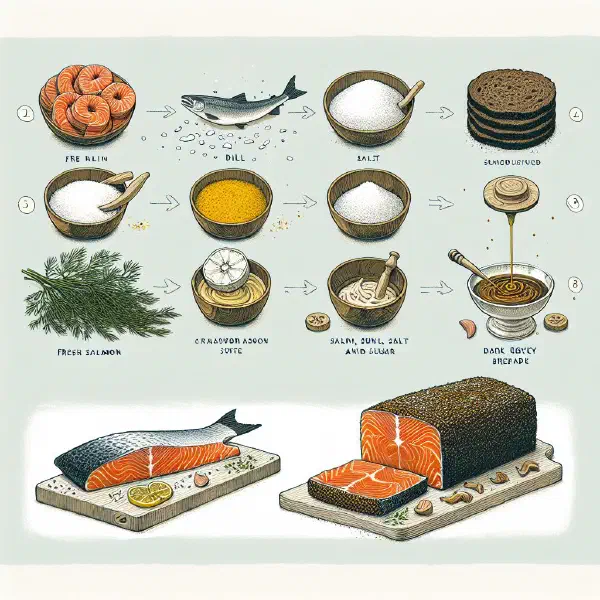
The pairing of rösti and gravlaks is a genuine treat for anyone who loves Nordic cooking. Rösti are crisp potato cakes that began life in Switzerland and, thanks to their sheer versatility, became a firm favourite right across Scandinavia. Gravlaks, salmon cured in an aromatic blend of sugar, salt and dill, brings a fresh, generous note to the plate. The combination is ideal for celebrations and for cosy evenings alike, since it can be served as a main course or as a refined starter.
Ingredients (serves 1–2)
- 2 large potatoes
- 1–2 tablespoons flour (potato flour or plain wheat flour)
- 1 egg
- Salt and pepper, to taste
- Oil for frying (rapeseed or olive oil)
- 100 g gravlaks
- Fresh dill, to garnish
- Soured cream or mustard sauce, to serve
Shopping for the ingredients
Shopping for Rösti with Gravlaks is refreshingly straightforward. Most supermarkets and grocers will have the fresh potatoes you need along with everything for the salmon cure. Do take care to choose good-quality salmon, as it carries much of the flavour of the finished dish. Fresh herbs such as dill matter just as much. They define both the aroma and the look of the plate. If you would rather buy the fish ready-cured, a shop-bought Gravlaks works perfectly well here.
Preparing the dish
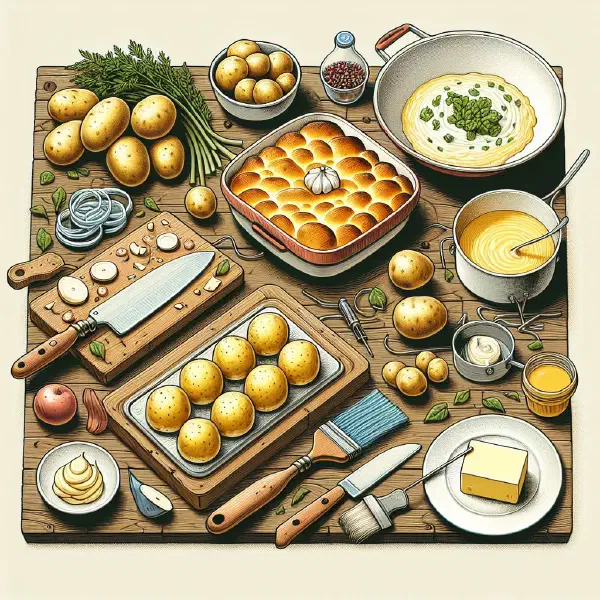
Good preparation is what separates a decent rösti from a great one. Start by peeling the potatoes and grating them coarsely, then wring them out thoroughly in a clean tea towel, removing the moisture is the single most important step for crispness. Mix the grated potato with the egg, flour, salt and pepper so the mixture binds properly. Getting that ratio right determines both the texture and the flavour of the final rösti.
Step-by-step instructions
- Combine the prepared potatoes in a bowl with the egg, flour, salt and pepper.
- Heat a little oil in a frying pan and add the potato mixture in portions.
- Fry the rösti for about 4–5 minutes on each side until golden brown.
- Drain the cooked rösti on kitchen paper to remove any excess fat.
- Arrange the rösti on a plate and top with gravlaks and dill.
- Serve with soured cream or mustard sauce, as you prefer.
Gluten-free / lactose-free version
There is good news for anyone avoiding gluten or lactose: Rösti with Gravlaks adapts with almost no effort. Simply use a gluten-free flour in place of the usual wheat flour when binding the potato mixture. For the accompaniments, lactose-free soured cream or a plant-based alternative sits just as comfortably alongside the salmon. These small swaps let everyone enjoy this hearty dish without giving anything away on flavour.
Tips for vegans and vegetarians
A vegan version is well within reach too. Instead of egg, a mixture of water and ground linseed, or a spoonful of apple purée, will bind the potato mixture nicely. In place of the salmon, marinated carrots or smoked tofu do a surprisingly convincing job of echoing the fresh, savoury character of the original. Handled this way, the pleasure of the dish remains intact whatever your dietary preferences, much as it does with a vegetable-led Grønnsakssuppe.
More tips and tricks
For an even crisper result, let the grated potatoes rest in the fridge for half an hour before frying. A non-stick pan is well worth using, as it stops the mixture catching and makes turning the cakes far easier. Do experiment with seasonings as well, paprika or garlic powder give the rösti a character all of their own.
Adapting the recipe to your taste
This is a recipe that invites tinkering. Some cooks like their rösti thin and lacy, others prefer a thicker cake with a soft, fluffy centre, the choice is entirely yours. You might fold grated onion or a little grated apple into the potato for extra sweetness, or press the mixture into one large cake and cut it into wedges at the table. Adjust the seasoning of the cure too, dialling the dill up or down until it matches your own palate.
Ingredient substitutions
If fresh potatoes are not to hand, frozen grated potato will do the job, though it does change the texture of the rösti a little. For the garnish, parsley or chives can stand in for dill depending on what you prefer. The fish is flexible as well, other cured or smoked salmon preparations slot in neatly if gravlaks is unavailable. Remember that every change to a recipe opens the door to a new and interesting flavour.
Drink pairing ideas
Plenty of drinks suit Rösti with Gravlaks beautifully. A crisp white wine such as a Riesling or a Grüner Veltliner brings freshness and sits well with the richness of the salmon. For an alcohol-free option, herbal teas or a homemade citrus-and-mint lemonade work in much the same way, cutting through the fat of the fried potato. Either pairing will round the meal off nicely.
Serving and presentation ideas
Served well, this dish lifts any table. Try arranging the rösti on a wooden board with the remaining components in small bowls alongside, so guests can build their own. A slice of fresh lemon or a few edible flowers brighten the colours and add an elegant contrast. Take care to stack and garnish the elements attractively, a good deal of the pleasure here is visual, in the same spirit as a classic Norwegian Koldtbord.
A bit of history
The story of rösti goes back to the 19th century and begins in Switzerland, where it was traditionally served at breakfast. As Scandinavian cooking developed, the potato cake found its way into countless other recipes. Gravlaks, meanwhile, is rooted firmly in Nordic tradition: fishermen once buried their salmon with salt, sugar and dill to preserve it before serving. Bringing the two together is a distinctive expression of Norwegian cuisine and its quiet flair for good food.
More recipe ideas
Summary: Rösti with Gravlaks
All told, Rösti with Gravlaks is an excellent way to get to know the flavours of Norwegian cooking. With its pairing of crisp potato and delicately cured salmon, it is both simple to make and thoroughly delicious. It suits any occasion, from a relaxed family meal to a festive gathering with friends. Try it for yourself and discover the pleasure this dish brings to the table.