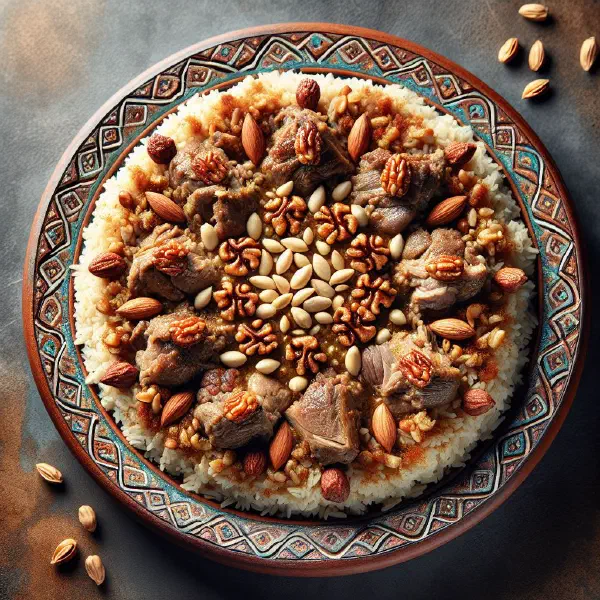
National Dish Oman: Aseed (Recipe)
In this article
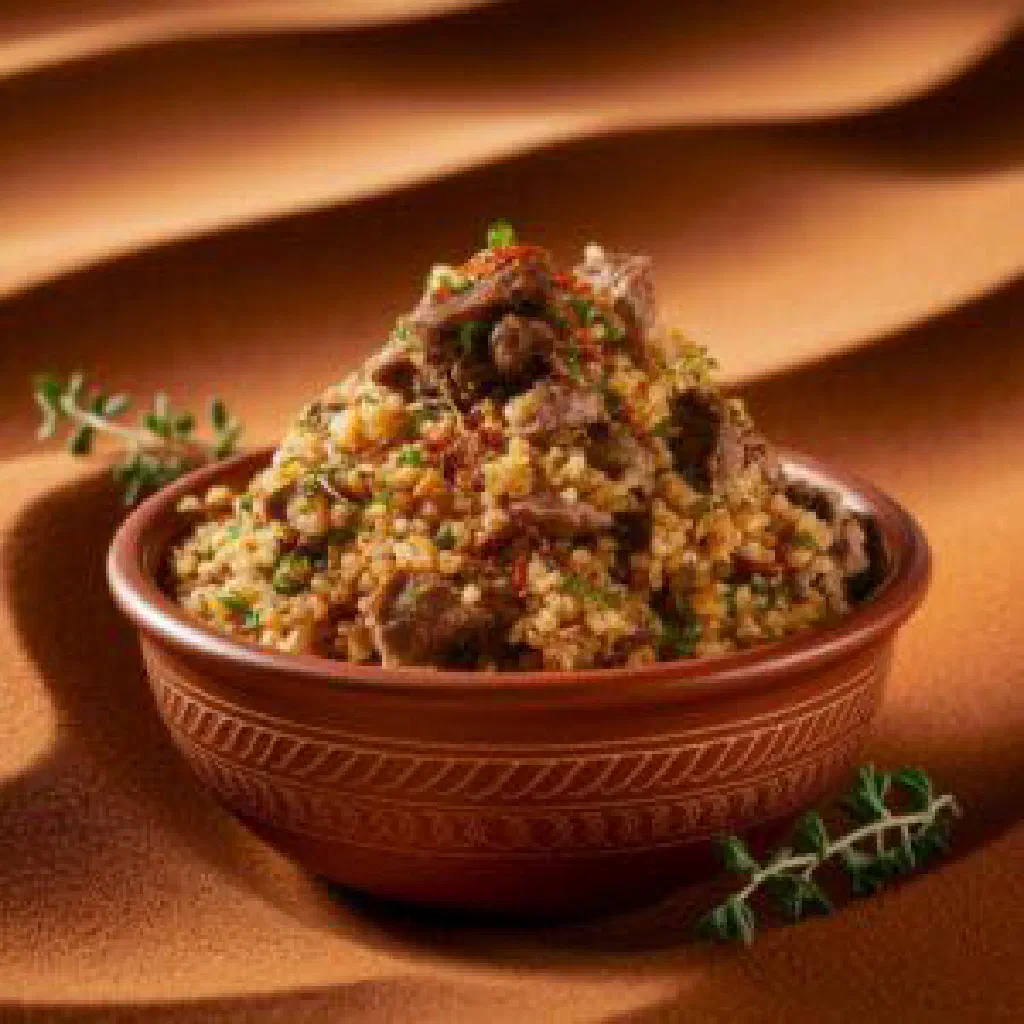
Meet Aseed, the traditional national dish of Oman and a true expression of the country’s warm hospitality. This hearty favourite is built around a smooth, creamy dough of wheat flour, water and fragrant spices, then crowned with tender meat and a rich sauce. Long a centrepiece at celebrations and family gatherings, it captures the communal spirit of Omani cooking. Bring a taste of the Arabian Peninsula straight to your own table.
About Aseed
Aseed is far more than a simple meal; it is an expression of Oman’s rich culture and tradition. This hearty national dish is made from a creamy blend of wheat flour, water and a range of spices that give it its distinctive character. It is often served with succulent meats and flavourful sauces, turning it into a feast for special occasions. Above all, aseed symbolises the hospitality and community spirit of the Omani people.
Ingredients (serves 1–2)
- 200 g wheat flour
- 300 ml water
- 1 teaspoon salt
- 1 teaspoon cumin
- 1 teaspoon turmeric
- Meat of your choice (chicken, lamb or beef)
- For the sauce: yoghurt or tomato sauce
Shopping for the ingredients
When shopping for aseed, it is worth paying attention to quality. Fresh wheat flour and good spices are key to an authentic flavour. Many of the ingredients you need can be found in a well-stocked supermarket or at a local market. If you cannot track down a particular spice, look in Asian or Arabic grocery shops, which often carry a wide selection.
Preparing the dish
Preparing aseed takes a little time and patience, but the process is simple and enjoyable. Begin by measuring out the ingredients and gathering all the utensils you need so the cooking runs smoothly. While you set everything out, you can also prepare the spices by mixing them together in a small bowl. This helps the aromas spread evenly through the finished dish.
Step-by-step instructions
- Bring the water to the boil in a pan and add the salt.
- Add the wheat flour while stirring constantly to prevent lumps forming.
- Work in the spices, such as cumin and turmeric, until fully combined.
- Keep stirring the dough until it reaches a smooth, silky consistency.
- Divide the dough into small portions and cover with a damp cloth.
- Meanwhile, brown the meat of your choice in a pan and prepare the sauce.
- Arrange the aseed portions on plates and top with the sauce and the meat.
Gluten-free / lactose-free version
For a gluten-free version of aseed, you can use pure rice flour or cornflour in place of wheat flour. These alternatives have a slightly different texture but deliver a similar taste. Be sure to check all the other ingredients to confirm they are gluten-free too. For a lactose-free version, simply swap the yoghurt for a plant-based yoghurt alternative, which keeps the sauce creamy without affecting the flavour.
Tips for vegans and vegetarians
Vegans and vegetarians can adapt aseed easily by replacing the meat with vegetables or plant-based protein sources such as chickpeas or lentils. These add substance to the dish and boost its nutritional value, much like a hearty Chickpea Stew. A sauce based on coconut milk or a tomato sauce works well to intensify the flavour. Just take care that the spices and other ingredients are vegan too.
More tips and tricks
To get the best out of aseed, experiment with different spice combinations. Try adding a little cinnamon or paprika to give the mix an extra dimension. Work the dough thoroughly so it reaches the perfect consistency. As you cook, it helps to taste regularly, making sure the spices stay well balanced.
Adapting the recipe to your taste
Everyone has different preferences when it comes to flavour. Adjust the spices in aseed to your personal taste by using more or less of certain ingredients. If you like it hot, add chilli or fiery spices. Devotees of the traditional style can skip modern sauces in favour of classic accompaniments such as pickled vegetables.
Ingredient substitutions
If you do not have every listed ingredient to hand, there are plenty of alternatives. Instead of wheat flour, you can use oat groats or a blend of gluten-free flours. When it comes to the meat, tofu or tempeh make excellent plant-based options that soak up the flavours beautifully. Sauces such as salsa or an avocado dip add a refreshing note and stand in nicely for yoghurt.
Drink pairing ideas
To round out the aseed experience, offer a range of drinks. A refreshing mint lemonade or a traditional Omani coffee pairs beautifully with this dish. A lightly spiced tea also makes an appetising companion. Keep the drinks light and delicious so they do not overpower the flavour of the aseed.
Serving and presentation ideas
Presentation can lift the aseed experience considerably. Serve the dish on a large plate and garnish with freshly chopped coriander or spring onions. Use an attractive bowl for the sauces to create a contrast in colour. A few edible flowers can further improve the look and create an inviting atmosphere at the table.
A bit of history
Aseed has a long history in Omani cooking and is a dish often prepared for special occasions and festivals. It is said that aseed is passed down from generation to generation and forms part of many family gatherings. This tradition makes it more than just a meal; it is a symbol of connection and cultural identity. Its roots reach deep into the past, giving it a very special significance within Omani cuisine.
More recipe ideas
Summary: Aseed
In the end, aseed is a delicious and versatile dish that beautifully reflects the rich culture of Oman. Aseed always offers a fresh taste experience. Honour the traditions and enjoy the flavours of Oman by cooking this dish in your own kitchen. Share it with friends and family, and experience the joy of the table together.