National Dish Oman: Falafel (Recipe)
In this article
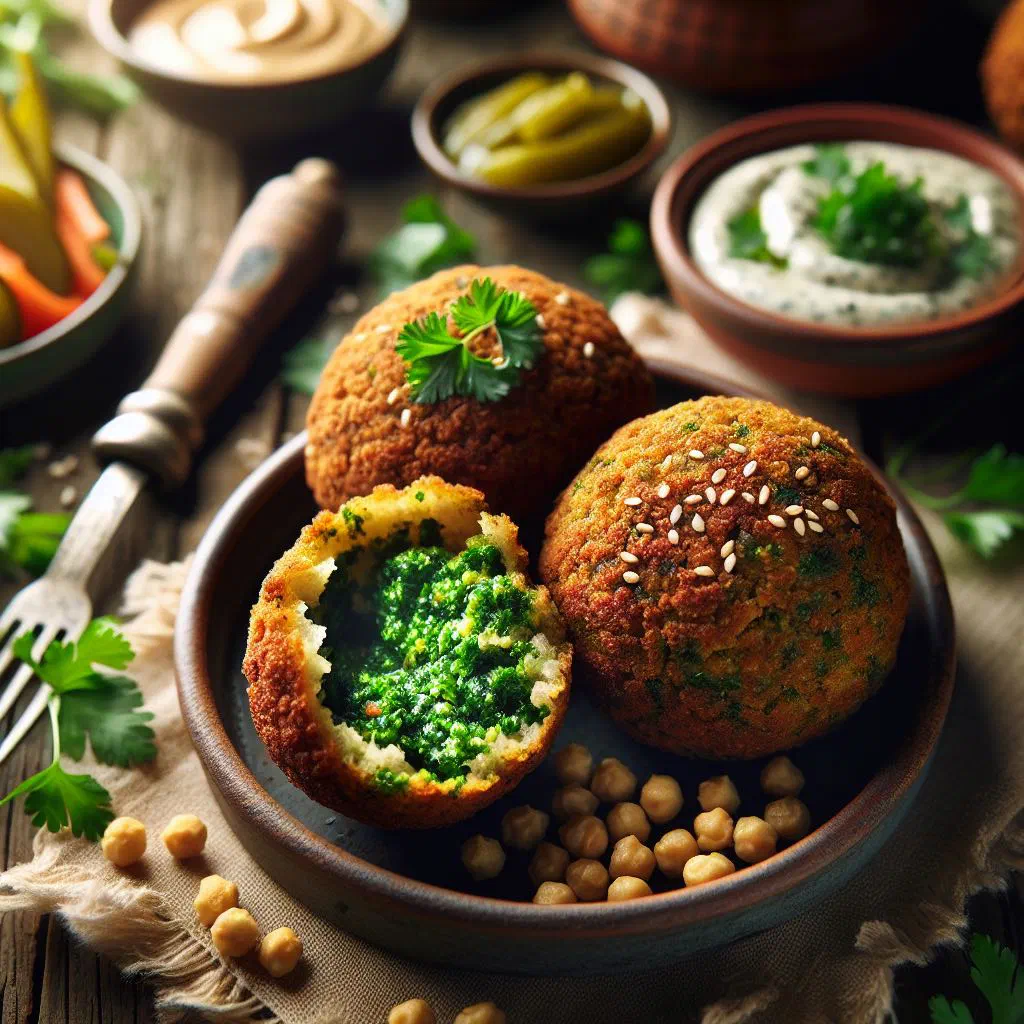
Discover Falafel, a beloved gem of Middle Eastern cooking. These crisp, golden chickpea balls are packed with protein and fibre, yet light enough to enjoy as a snack or turn into a full meal. Fragrant with cumin and coriander and studded with fresh parsley, they bring the warm aromas of the Orient straight to your own kitchen. Naturally vegan and endlessly adaptable, falafel are as satisfying tucked into flatbread as they are shared from a platter with friends.
About Falafel
Falafel are a wonderful example of healthy, plant-based eating. Originally from the Middle East, they have become a much-loved snack and main-course option all around the world. These small, crunchy chickpea balls are rich in protein and an excellent source of fibre. They offer a whole range of flavours and can be easily adjusted to suit your own preferences, which is exactly what makes them such a versatile part of Omani cuisine.
Ingredients (serves 1–2)
- 1 cup cooked chickpeas
- 1 onion, finely chopped
- 1 garlic clove, crushed
- 1/4 cup fresh parsley, chopped
- 1 tsp cumin
- 1 tsp coriander
- Salt and pepper to taste
- Oil for frying
Shopping for the ingredients
The ingredients for falafel are easy to find in most supermarkets or health-food shops. Chickpeas, available either tinned or dried, form the foundation of the dish. Fresh herbs such as parsley provide the aromatic backbone, while spices like cumin and coriander lend that unmistakable oriental flair. It is well worth buying organic where you can, to get the best flavour and the most nutrients from your ingredients.
Preparing the dish
Before making the falafel, rinse and drain the chickpeas well if you are using tinned ones. If you are working with dried chickpeas, they will need to be soaked overnight and then cooked. Chopping the onion and crushing the garlic are essential steps for building flavour. Many people like to serve their falafel in flatbread, so it is worth having the bread ready to go as well, much as you would with a warm round of Omani Pita Bread.
Step-by-step instructions
- Tip the chickpeas into a bowl and combine with the onion, garlic, parsley, cumin, coriander, salt and pepper.
- Work the mixture into a coarse paste using a fork or a blender.
- Shape the mixture into small balls and set them out on a plate.
- Heat a pan of oil and gently lower the balls into it.
- Fry the falafel until golden brown, then drain on kitchen paper.
Gluten-free / lactose-free version
Making falafel is naturally gluten-free and lactose-free, as long as you check that all your ingredients confirm this. Chickpeas are an outstanding gluten-free source of protein. To be certain the falafel are suitable for anyone with a food intolerance, choose your frying oils carefully. Rapeseed or sunflower oil, for example, are good options for avoiding any risk of cross-contamination.
Tips for vegans and vegetarians
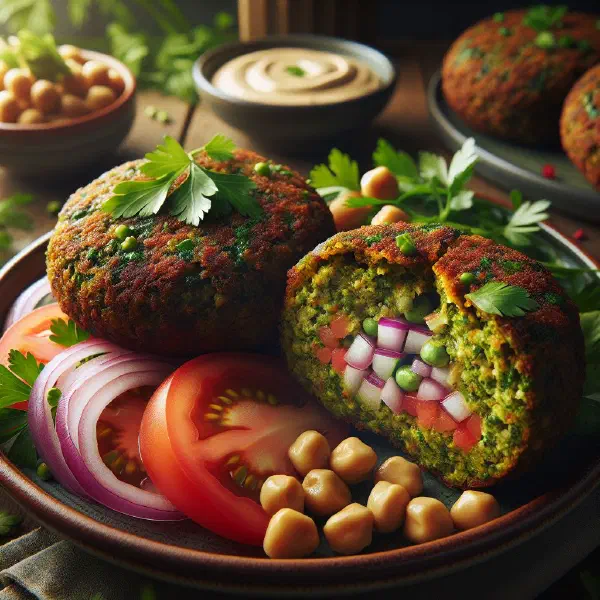
Falafel are not only vegan and vegetarian, they are also an excellent choice for anyone aiming to eat well. To boost their nutritional value further, you can fold extra ingredients such as spinach or carrots into the mixture. Serve the falafel with a refreshing tahini dip or a yoghurt sauce, easily made with a lactose-free alternative. The result is a delicious, nutrient-rich snack that meets the needs of vegans and vegetarians alike. Try them alongside a smooth Hummus for a generous mezze spread.
More tips and tricks
To get the very best from your falafel, take care that the mixture is not too wet. A mixture that is too soft can make frying tricky, causing the balls to fall apart. You can add a little breadcrumb or flour to improve the texture. Be sure to fry the falafel in small batches so they cook evenly and turn nicely crisp.
Adapting the recipe to your taste
The versatility of falafel means you can shape the recipe entirely around your own taste. Experiment with different spices such as paprika or cayenne pepper to create a spicier version. You can also use other pulses like black beans or lentils to vary the flavour, much as the cooks behind a hearty Chickpea Stew play with their legumes. The choice of fresh herbs opens up an exciting range of flavours too.
Ingredient substitutions
If you would like to adapt the ingredients for your falafel, there are plenty of alternatives to try. Instead of chickpeas you can use other pulses, and dried herbs can stand in for fresh ones. For a gluten-free variation you might reach for a special gluten-free coating. Experimenting with different aromas keeps the cooking process exciting and personal, a splash of Tahini Sauce worked in also adds richness.
Drink pairing ideas
To turn your falafel into a complete experience, choose the right drinks to go with them. A refreshing mint tea makes a superb partner and harmonises beautifully with the oriental flavours. A light ale or an alcohol-free option can also work well with the balls. For those avoiding alcohol, a fruity yoghurt shake perfectly complements the spices of the falafel, as does a cooling Lemon Mint Drink.
Serving and presentation ideas
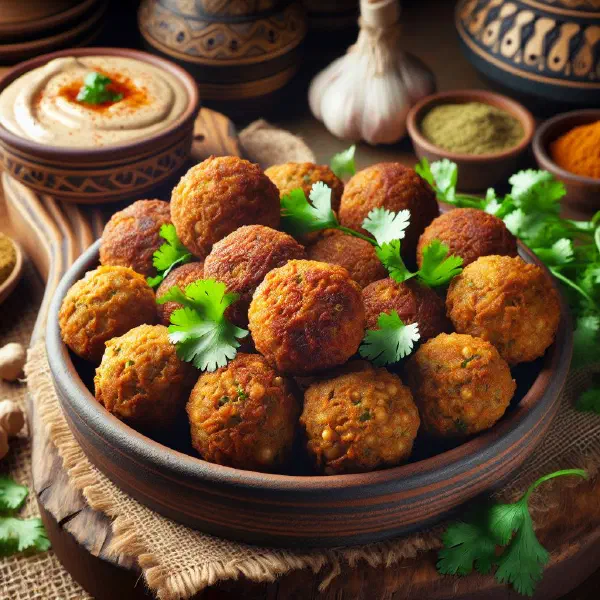
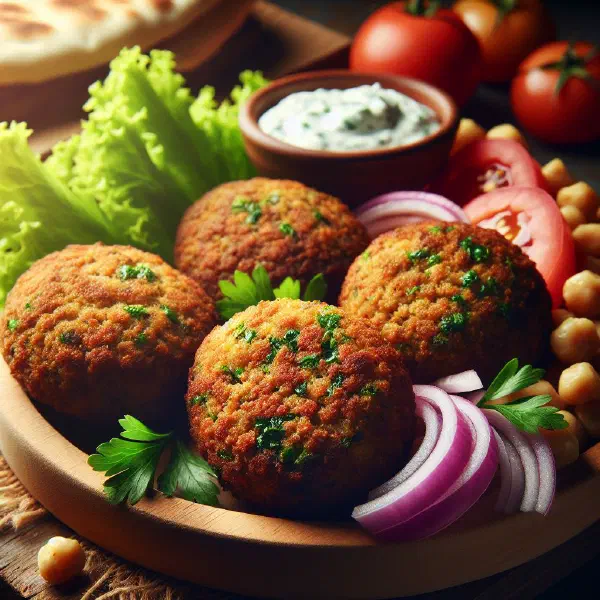
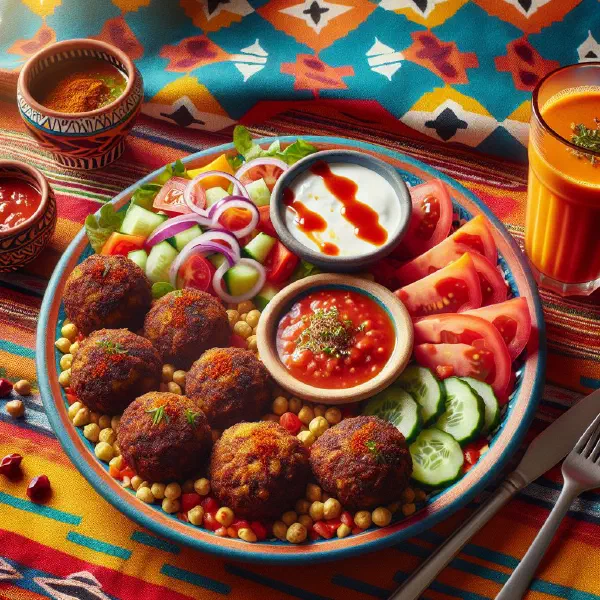
The way you present your falafel can greatly enhance the eating experience. Serve the balls on a rustic wooden board and garnish them with fresh herbs such as parsley or coriander. A few wedges of lemon beside the dish add colour and a fresh burst of flavour. Arranging a selection of sauces in small bowls around the falafel creates an inviting spread that encourages everyone to dig in.
A bit of history
Falafel have a colourful history that reaches back to ancient Egypt. The origins of the dish are often disputed, but it is thought that the chickpea balls were first created as a food for migrant workers. Over time they spread throughout the Middle East and became a much-loved street food. That tradition has endured to this day, ensuring that the recipe lives on in many cultures with countless variations.
More recipe ideas
Summary: Falafel
To sum up, falafel are delicious and wonderfully versatile. With their healthy, vegan and gluten-free character, they are a great addition to any diet. There are countless ways to adapt and vary the recipe, so it can suit every kind of taste. Tucked into flatbread or served as part of a main meal, falafel bring a little piece of the Orient into your kitchen.