National Dish Oman: Harees (Recipe)
In this article
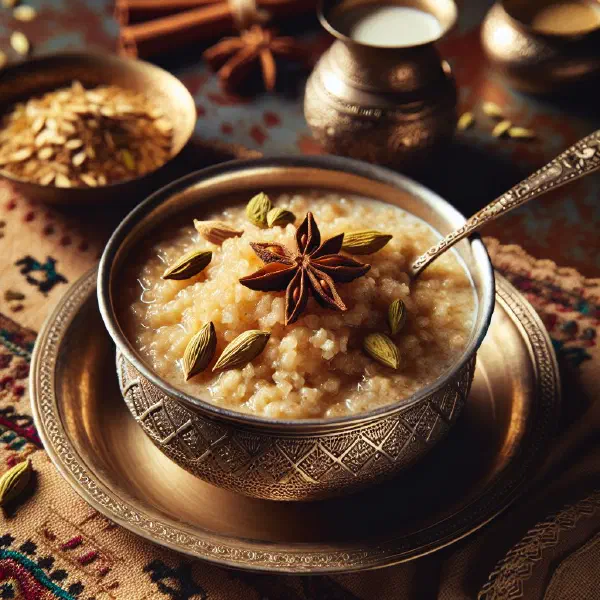
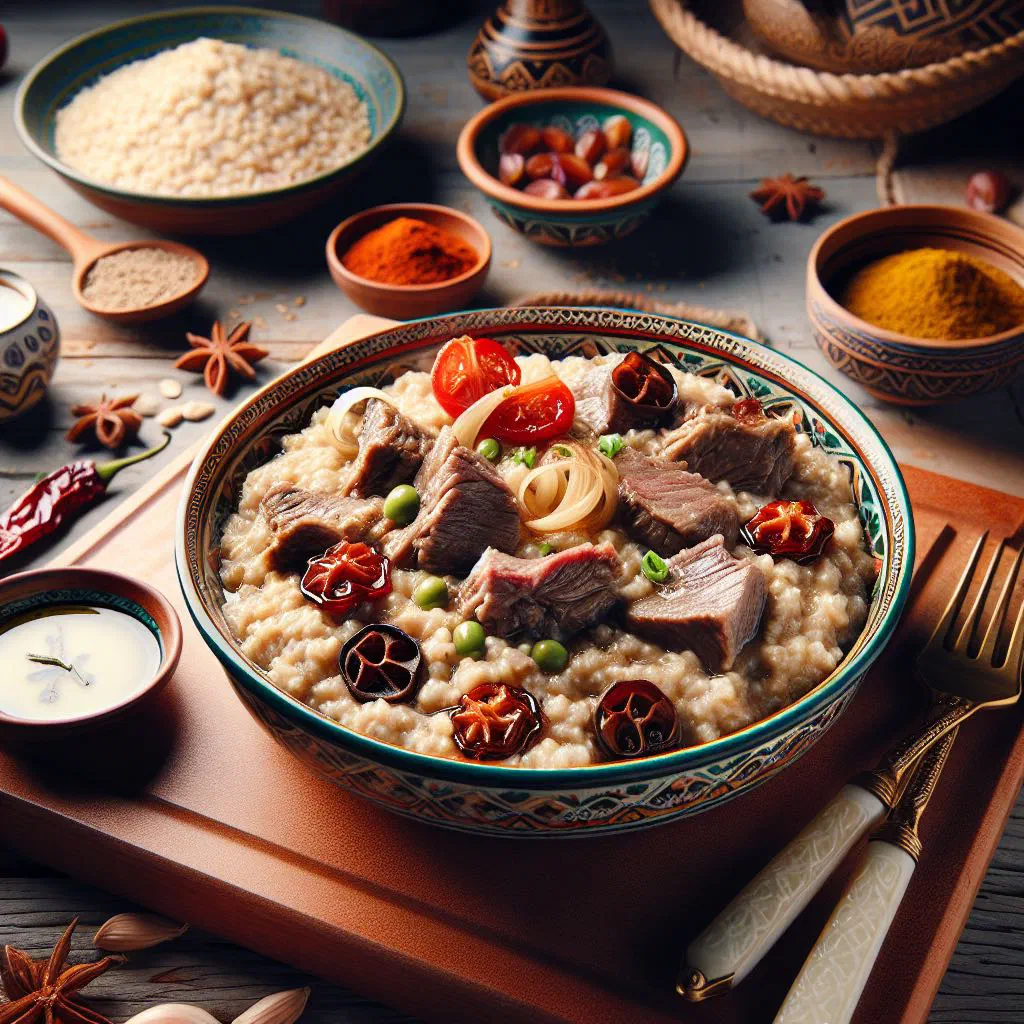
Discover Harees, Oman’s beloved national dish of slow-cooked wheat and tender meat. This silky, comforting porridge carries the gentle warmth of cinnamon and cardamom, and has long been a fixture at Ramadan tables and festive gatherings across the Arabian Peninsula. Rich, nourishing and wonderfully simple, it turns a handful of humble ingredients into something truly special. Perfect for a quiet evening in or an exotic dinner at home.
About Harees
Harees is a traditional dish from Oman and other Arab countries, built mainly from wheat and meat. It is often served during Ramadan or at special occasions, when its velvety texture and deep, savoury aromas make it the ultimate comfort food. The grains are cooked down for hours until they melt into the meat, giving a smooth, almost creamy consistency that has made harees a cherished part of Omani cuisine for generations.
Ingredients (serves 1–2)
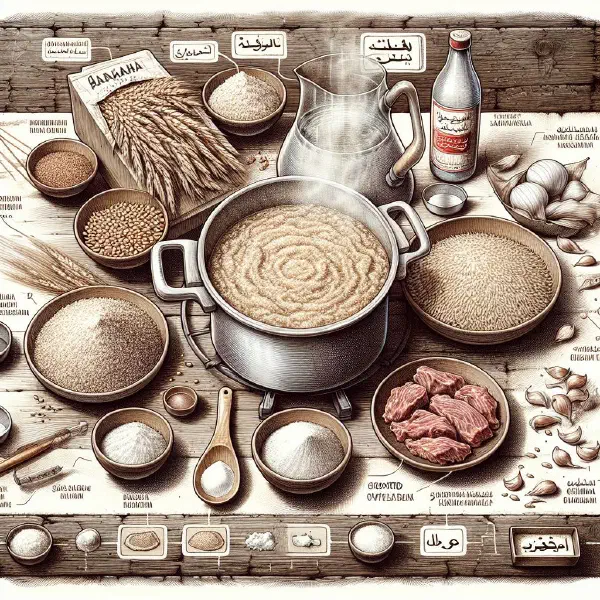
- 100g wheat (cracked or whole)
- 200g chicken breast or lamb
- 1 teaspoon salt
- 1 litre water
- 1 teaspoon butter or ghee
- Optional: spices such as cinnamon and cardamom
Shopping for the ingredients
Most of the ingredients for harees can be found in well-stocked supermarkets or at Middle Eastern grocers. The quality of the wheat matters most, as it forms the very base of the dish, so look for good cracked or whole wheat that will soften nicely. If you would rather build a whole Omani spread, the same cardamom and warming spices also lift dishes like Kabsa.
Preparing the dish
Soak the wheat overnight in water to shorten the cooking time and help it break down into that signature silky texture. While the grains soak, cut the meat into small pieces so it cooks through evenly and shreds easily later on.
Step-by-step instructions
- Place the wheat and meat together in a large pot.
- Add the water and salt, then bring to the boil.
- Reduce the heat and let it simmer until the wheat is soft and the meat is tender (about 1–2 hours).
- Blitz the mixture with a wooden spoon or a hand blender until it turns smooth and creamy.
- Stir in the butter or ghee and mix well.
- Optional: season to taste with cinnamon and cardamom.
Gluten-free / lactose-free version
Because harees is built on wheat, it is not naturally gluten-free, but you can approximate its comforting texture with a grain such as short-grain rice or millet cooked down in the same way. For a lactose-free version, simply swap the butter for plant-based margarine or a good-quality oil. That way everyone at the table can enjoy a bowl without worrying about the ingredients.
Tips for vegans and vegetarians
Harees adapts beautifully to a vegan kitchen. Just replace the meat with hearty vegetables such as carrots or pumpkin, which add body and a subtle sweetness. Use vegetable oil in place of butter or ghee, and take care to check any spice blends for hidden animal products. Fresh, seasonal produce keeps the flavour bright and authentic.
More tips and tricks
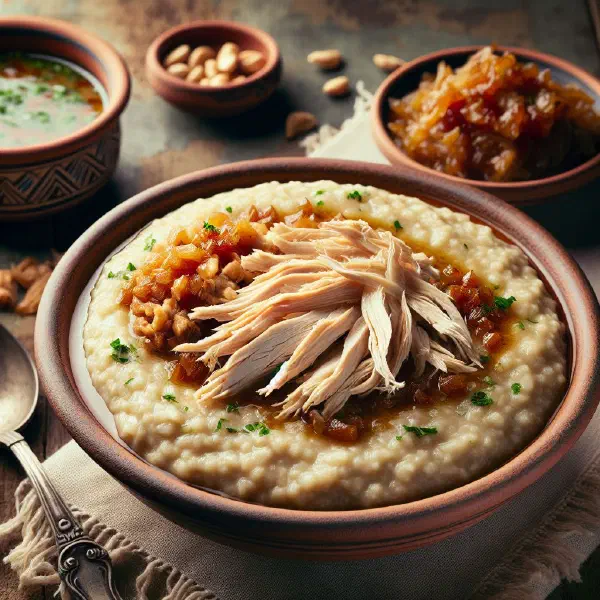
To make harees even more flavourful, garnish it with fried onions for a touch of sweetness and crunch. Cooking the wheat in stock rather than plain water is another easy way to intensify the taste. Stir the pot now and then during the long simmer so nothing catches, and add a little more hot water if the mixture thickens too quickly.
Adapting the recipe to your taste
Harees is wonderfully forgiving, so feel free to experiment. Adjust the spices to suit your mood, or scatter in a handful of toasted nuts for extra texture and richness. A pinch more cardamom leans it towards the fragrant, while a heavier hand with cinnamon gives a cosier, warmer profile, the dish happily bends to your preference.
Ingredient substitutions
If wheat is hard to come by, rice makes a perfectly good stand-in and still delivers that soft, porridge-like finish. The chicken can just as easily be replaced with lamb, beef or even fish, depending on what you have to hand. Substitutions like these let you shape the recipe around the season or your own taste, much like the flexible spirit behind a slow-cooked Camel Meat Stew.
Drink pairing ideas
Traditionally, harees is served alongside yoghurt drinks such as ayran, whose cool tang cuts through the richness beautifully. Arabic coffee or a fragrant mint tea also make excellent companions, rounding off the meal in classic Middle Eastern style. For something lighter, a chilled Laban Drink works a treat.
Serving and presentation ideas
Serve harees in deep bowls and finish it with fresh herbs such as parsley or coriander for a pop of colour. A squeeze of lemon juice brightens the whole dish, while a final drizzle of melted ghee across the top gives it an inviting sheen. Pair it with a simple side like Tabouleh to complete the spread.
A bit of history
Harees has a long history in Arab cooking and is closely tied to the fasting month of Ramadan, when its slow-cooked, nourishing nature makes it an ideal way to break the fast. It has long been regarded as a symbol of hospitality and prosperity, prepared in generous batches to share with family, neighbours and guests. Across the Gulf, it remains one of the most treasured expressions of Omani cuisine.
More recipe ideas
Summary: Harees
Harees is a hearty, nourishing dish that adapts easily to different tastes and occasions. It is delicious and offers a genuine glimpse into the rich culture and history of Oman. A festive gathering or simply a cosy dinner at home, this gentle wheat-and-meat porridge rewards a little patience with a great deal of comfort, give it a try and let its quiet magic win you over.