National Dish Oman: Hareeseh (Recipe)
In this article
Discover Hareeseh, the beloved national dish of Oman and a true taste of the country’s heritage. This soothing bowl brings together tender wheat and slow-cooked meat until they melt into one creamy, comforting whole. Warmed with cumin and cinnamon, it is far more than everyday fare. It is a symbol of hospitality served at feasts and family gatherings across the Sultanate. Bring a little Omani warmth to your own table with this timeless classic.
About Hareeseh
Hareeseh is a cherished part of Oman’s culinary heritage, rooted deep in the history and culture of the country. It marries soft wheat grains with succulent meat to create a rich, creamy pleasure. Often lifted with fragrant spices, hareeseh is festive food and a symbol of hospitality and community. In many Omani households it is served at special occasions and celebrations, a dish made to be shared and to bring people together. It belongs to the same family of slow-cooked grain dishes as the well-known Harees.
Ingredients (serves 1–2)
- 200 g wheat grains (bulgur or durum wheat)
- 300 g lamb or chicken
- 1 onion, finely chopped
- 1 teaspoon cumin
- 1 teaspoon cinnamon
- Salt and pepper to taste
- Water (about 1 litre)
- Fresh mint or coriander, to garnish
Shopping for the ingredients
When shopping for hareeseh it is worth paying attention to the quality of your ingredients. Fresh cuts of meat give an intense flavour, while good wheat grains shape the texture of the finished dish. Local markets or Middle Eastern grocers are often the best places to find these ingredients in top condition. Make sure your spices are fresh so the full aroma of your dish can come through.
Preparing the dish
Preparing hareeseh well is key to bringing out the best in the dish. First, the wheat should be soaked in water so it turns lovely and soft during cooking. The meat can be cut into small pieces in advance to shorten the cooking time. It is also wise to chop the onion ahead and set out the spices, so the whole process runs smoothly from start to finish.
Step-by-step instructions
- Soak the wheat in water for several hours or overnight.
- Add the meat and onion to a large pot and brown them together.
- Stir in the soaked wheat, the spices and a good seasoning of salt and pepper.
- Pour over the water and bring to the boil, then lower the heat and let it simmer for 1–2 hours.
- Stir occasionally until the dish reaches a creamy consistency.
- Garnish with fresh mint or coriander as you like and serve warm.
Gluten-free / lactose-free version
Making hareeseh gluten-free is especially easy. In place of wheat grains you can use gluten-free alternatives such as quinoa or buckwheat. These offer a similar texture along with a delicious flavour of their own. For a lactose-free version, simply make sure all your ingredients are lactose-free, or cook with plant-based stocks and alternatives to keep the same lovely creaminess.
Tips for vegans and vegetarians
Although hareeseh is traditionally made with meat, the dish also works beautifully as a vegan or vegetarian meal. Instead of meat you can use lentils or chickpeas for a protein-rich base. Vegetable stock and a variety of vegetables can be added for extra flavour and nutrients, much as they are in a hearty Chickpea Stew. Spices such as turmeric and paprika enrich the dish further and lend it a bright colour.
More tips and tricks
To get the most out of cooking hareeseh, a few tips and tricks are worth keeping in mind. Allow plenty of time, as the slow simmer needs patience to develop its full flavour. Use a steamer to cook the wheat and meat evenly. Browning the meat with the onions at the start also builds a deeper, more intense flavour that enriches the whole dish.
Adapting the recipe to your taste
One of the great things about hareeseh is that it is adaptable and easily tailored to personal preference. Experiment with different spices to discover new flavours, or add dried fruit such as dates or raisins for a touch of sweetness. The ratio of wheat to meat can be adjusted too, depending on whether you prefer it more hearty or with a little extra substance. Be bold and shape the recipe to suit your own taste.
Ingredient substitutions
If you do not have certain ingredients to hand, there are plenty of alternatives. In place of whole wheat grains you can use puffed or ground varieties, which need shorter cooking times. Meat substitutes based on soya or peas are good options for a plant-based preparation. Experiment with different stocks or oils to refine the dish to your liking and vary the flavours.
Drink pairing ideas
A range of drinks pairs wonderfully with hareeseh. A fresh mint tea is a traditional choice that offers a pleasant refreshment. Fruity lemonades or a light, chilled yoghurt drink such as Laban are very popular alternatives. For a special touch you could offer homemade pomegranate or lime juice to play off the flavours of the dish in perfect harmony.
Serving and presentation ideas
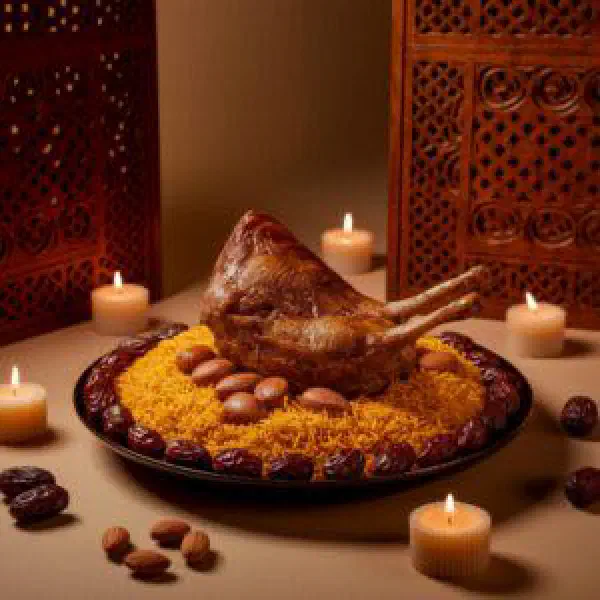
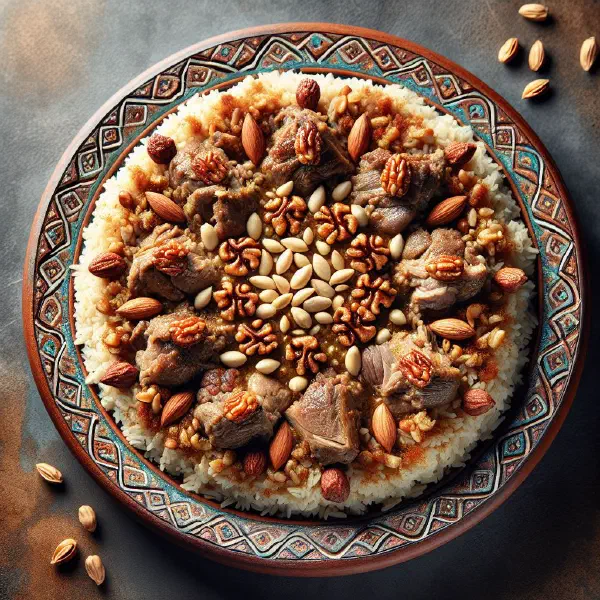
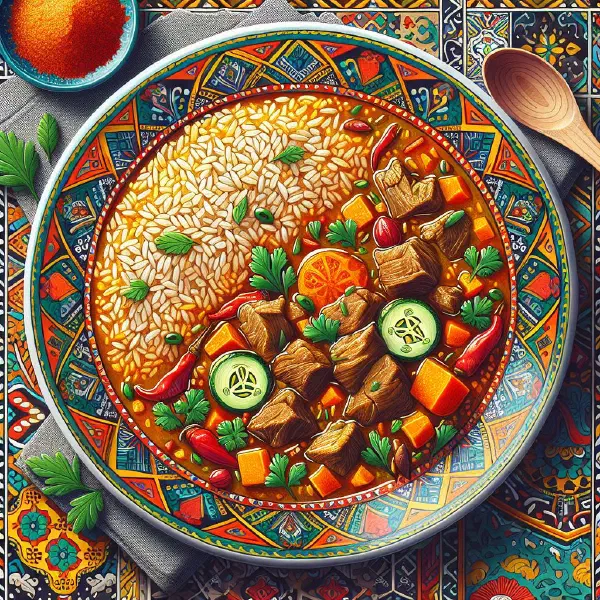
Presentation plays an important part in serving hareeseh. Bring the dish to the table in decorative bowls typical of Omani culture. Garnish with fresh coriander or mint to add colour and freshness. An artful arrangement of the food can heighten the enjoyment and invite your guests to tuck in. A basket of warm Omani Bread alongside completes the spread.
A bit of history
Hareeseh has a long history that reaches back to ancient times in Oman. Originally prepared by Bedouin, the dish served as a nourishing, energy-giving meal for travellers and workers. Over the years hareeseh has grown into a symbol of Omani culture, taking centre stage at feasts and celebrations. It speaks of the hospitality of the country and of traditions passed down from generation to generation, a proud thread of Omani cuisine.
More recipe ideas
Summary: Hareeseh
All in all, Hareeseh is an experience that brings people together and reflects the culture of Oman. It unites the finest ingredients in a hearty meal that is both simple to make and wonderfully versatile. Hareeseh will always find a place in your kitchen. Let its history and warming flavours inspire you, and enjoy the pleasure of cooking and sharing this delicious dish.