National Dish Oman: Kabsa (Recipe)
In this article
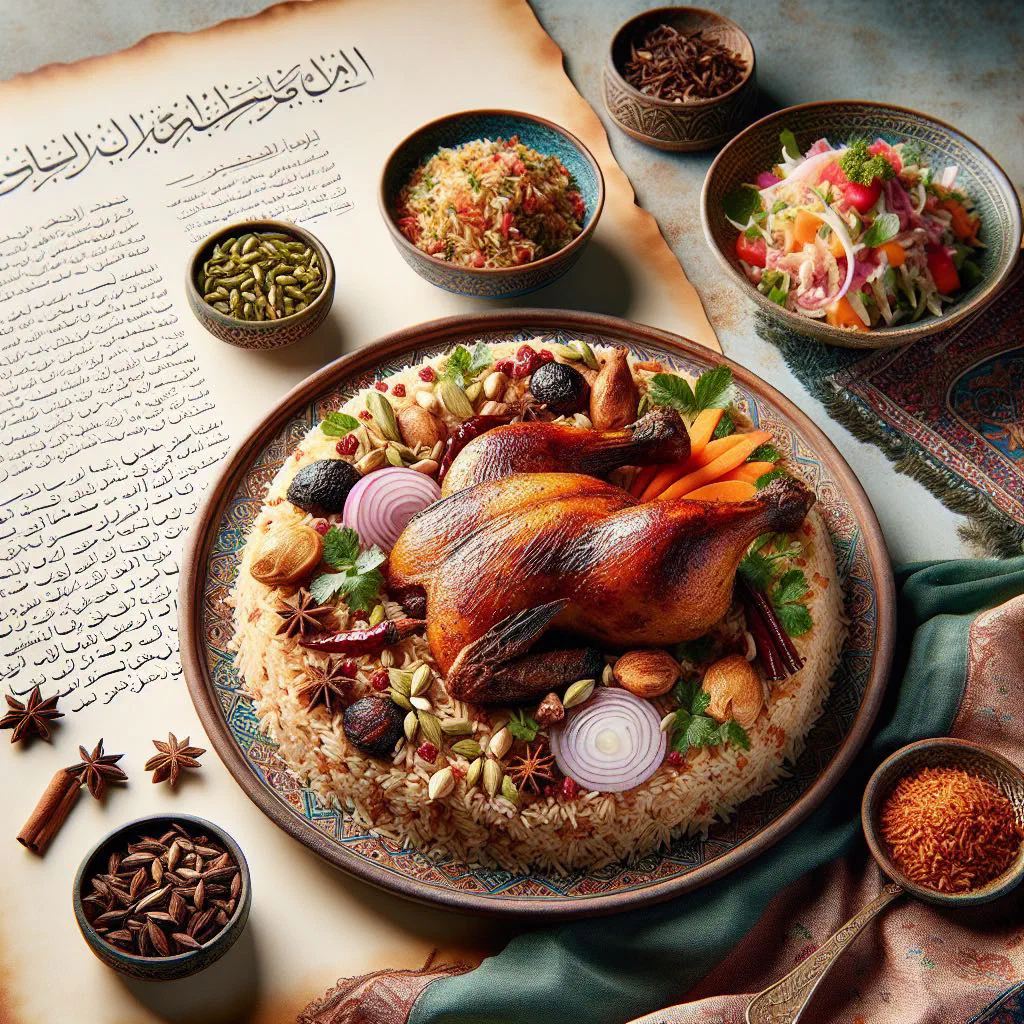
Discover Kabsa, the fragrant rice dish that sits at the heart of Omani hospitality. Tender meat, long-grain rice and a warming blend of aromatic spices come together in a single pot, finished with a scattering of nuts and dried fruit for a gentle touch of sweetness. Whether for a family gathering or a festive celebration, this generous dish brings the flavours of the Arabian Peninsula straight to your table. Cook it once and you will understand why it is so beloved across Oman.
About Kabsa
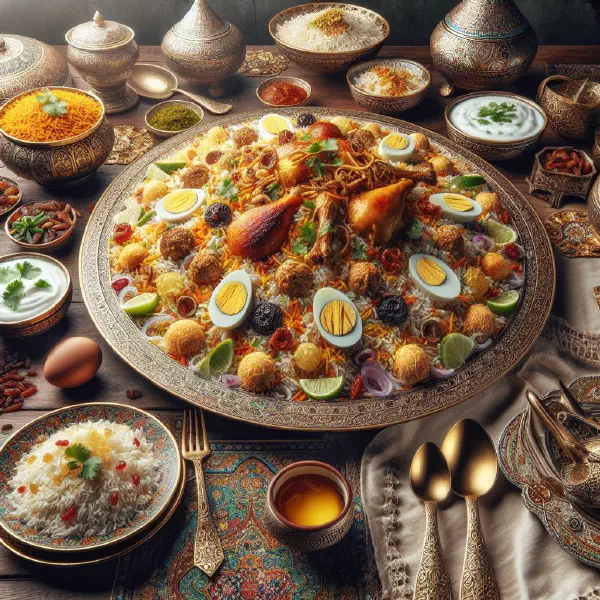
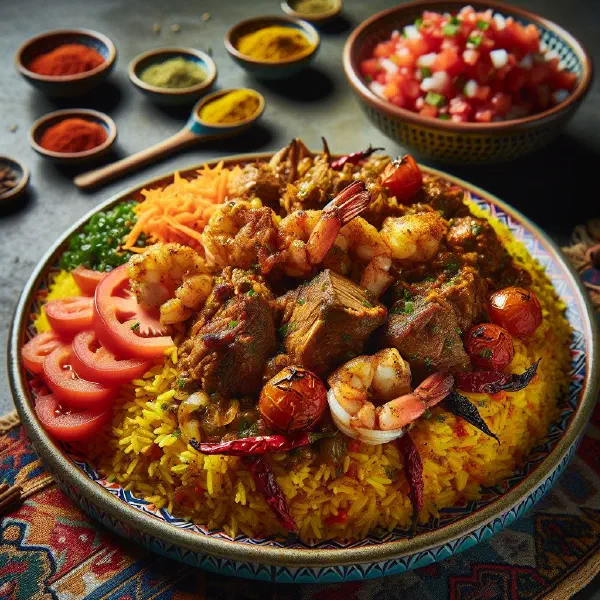
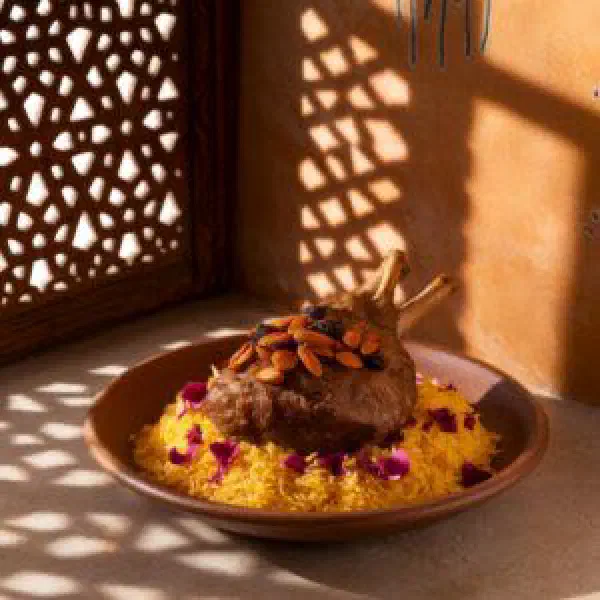
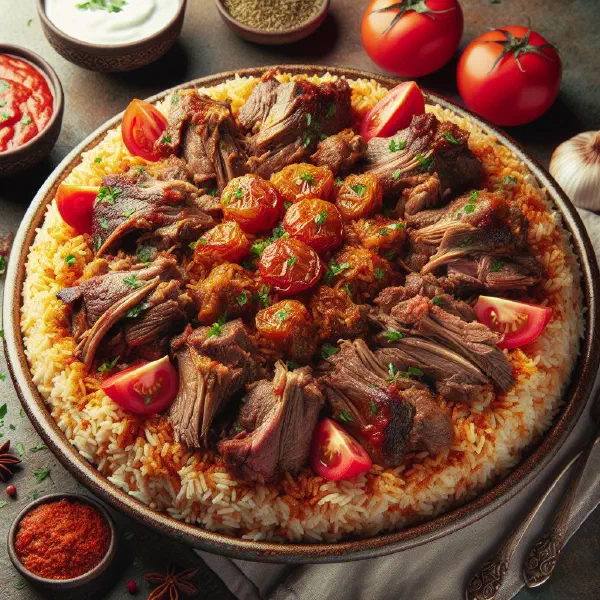
Kabsa is a traditional rice dish from Oman, celebrated for its rich aroma and its many layered components. It typically combines tender meat, such as chicken or lamb, with a distinctive mix of aromatic spices. The addition of nuts and dried fruit lends the dish extra depth and a subtle hint of sweetness. Kabsa is memorable in flavour and a symbol of hospitality and togetherness, which is why it is so often served at celebratory occasions.
Ingredients (serves 1–2)
- 200 g basmati rice
- 300 g chicken or lamb
- 1 onion
- 2 cloves of garlic
- 2 tomatoes
- 2 tablespoons kabsa spice blend
- 1 handful of cashews or almonds
- 1 handful of dried apricots or raisins
- Olive oil
- Salt and pepper, to taste
Shopping for the ingredients
To cook a good kabsa, fresh and high-quality ingredients are essential. The basmati rice should ideally be long-grain to guarantee the perfect texture. Look for well-seasoned meat, as this enriches the flavour of the dish and makes it more authentic. Many of these ingredients, such as dried fruit and nuts, are readily available in any well-stocked supermarket or at a specialist shop for Middle Eastern foods.
Preparing the dish
Before you start cooking, prepare all the ingredients thoroughly. This means cutting the meat into even pieces and finely chopping the onion and garlic. The tomatoes should be deseeded and diced. It is also worth having the nuts and dried fruit ready to add later, so their flavour can support the aromas of the dish at just the right moment.
Step-by-step instructions
- Heat a little olive oil in a large pot and sauté the chopped onions and garlic until golden brown.
- Add the meat and brown it on all sides until lightly coloured.
- Stir in the spice blend and the diced tomatoes, then let everything simmer briefly.
- Add the rice and stir well so the grains soak up the aromas.
- Pour in enough water to cover the rice completely and bring everything to the boil.
- Reduce the heat, cover the pot and let the mixture simmer for about 20–25 minutes, until the rice is tender.
- In the final minute, scatter over the nuts and dried fruit and let them warm through.
- Serve the kabsa hot and garnish with fresh herbs to taste.
Gluten-free / lactose-free version
Kabsa is easy to prepare gluten-free and lactose-free, as long as you make sure the spices and other ingredients contain no hidden gluten or lactose. The rice itself is naturally gluten-free. Choose fresh meat too, without any marinade that might contain these ingredients. Avoid serving it with lactose-based sauces or yoghurt, and enjoy the dish just as it is.
Tips for vegans and vegetarians
For a vegan or vegetarian version of kabsa, you can simply swap the meat for vegetables such as courgette, carrots and cauliflower. Chickpeas or lentils are also an excellent source of protein that will enrich the dish. For flavour, use the same spices and make sure any stock you use is vegan. You might also add plenty of fresh vegetables and herbs to give the dish a bright, fresh note.
More tips and tricks
The secret to a successful kabsa lies in the spice blend and the cooking time of the rice. Do not let the dish cook for too long, so the rice keeps its perfect texture. If you like it hotter, add a little chilli or serve a spicy sauce alongside. Experiment with the spices to bring in your own personal touch and tailor the dish exactly to your liking.
Adapting the recipe to your taste
Everyone loves different flavours, so do not be afraid to vary kabsa to suit your own palate. Whether that means more spices for a more intense flavour or fewer dried fruits for a heartier note, the dish is wonderfully adaptable. Experiment with seasonal ingredients or regional specialities to give your kabsa an individual character. In the end, being creative is a lovely tribute to its Arabic roots.
Ingredient substitutions
If you do not have certain ingredients to hand, alternatives work perfectly well. Instead of basmati rice, you can use jasmine rice or another long-grain variety. For the spice blend, a combination of cumin, cinnamon and cardamom will recreate the classic taste, the same warm spicing that lifts a slow-cooked Lamb Tagine. Other options such as turkey or even tofu make excellent stand-ins for the meat and are well worth a try.
Drink pairing ideas
Refreshing drinks that complement the flavours of the dish pair beautifully with kabsa. Mint tea is a traditional choice that is both soothing and refreshing, much like a cup of Karak Tea. For something fruitier, serve pomegranate juice or a cooling drink such as laban (a yoghurt-based drink). These aid digestion and offer a pleasant contrast to the hearty main course.
Serving and presentation ideas
The presentation of kabsa can be just as important as the cooking. Serve the dish on a large platter, placed right in the middle of the table to encourage a sense of togetherness. Decorate it with fresh herbs, seeds and whole dried fruits to bring the colours to life. Small bowls of different dips or sauces that echo the dish can also make a stylish addition, a garlicky Hummus works especially well.
A bit of history
Kabsa has its roots in the culinary traditions of the Middle East and is particularly significant in Saudi and Omani cooking. The dish is said to stem from the Bedouin tradition, where it was often prepared with lighter ingredients and spices that were available in early nomadic life. The flavour of kabsa reflects the variety of Arabic cooking, which is renowned for its ability to layer aromas, the same generous spirit you find across Omani cuisine. It is a festive and cultural experience shared around the table.
More recipe ideas
Summary: Kabsa
Kabsa is a captivating and flavourful dish that mirrors the aromas of the Middle East. With its varied ingredients and the freedom to adapt it, it is perfect for festive occasions and intimate gatherings alike. Kabsa brings a piece of the Omani way of life straight into your kitchen. Give it a try and see for yourself just how beautiful and delicious this dish can be.