National Dish Oman: Laban (Recipe)
In this article
Laban is what gets Omanis through the heat: yoghurt thinned with cold water, salted rather than sweetened, and served ice-cold beside almost every meal. It is tangy, cooling and mildly savoury — the perfect foil to the cardamom-and-chilli richness of dishes like shuwa or majboos. Making it takes about two minutes.
About Laban
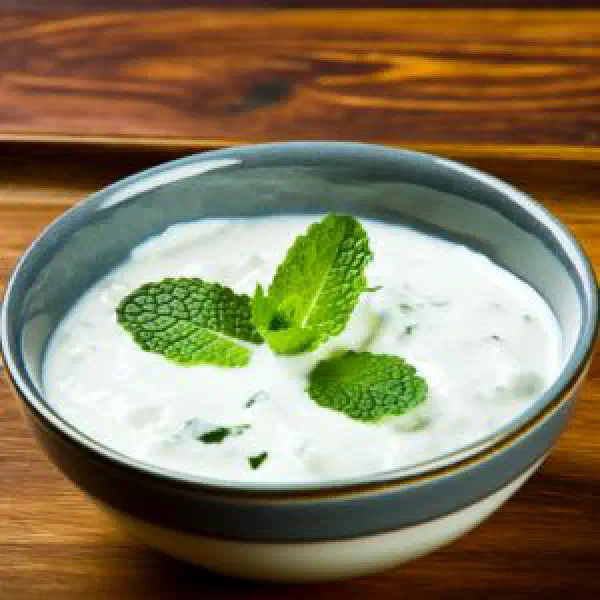
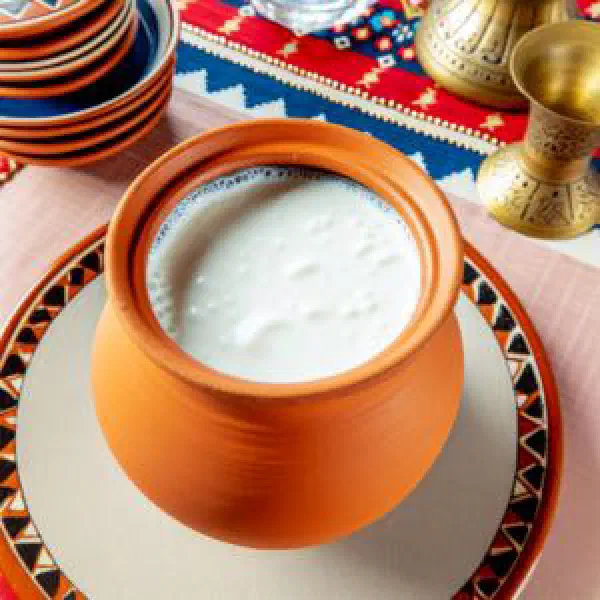
Laban is a traditional national drink of Oman, and one that refreshes as much as it satisfies. It is a lightly soured, creamy yoghurt drink, thinned with water and often finished with a pinch of salt or fresh mint. It appears at nearly every meal and is a genuine relief in the Peninsula’s heat, the mild, tart aroma that rises as you stir it is unmistakable, and it makes laban the ideal companion to heavily spiced food.
Ingredients (serves 1–2)
- 500 ml natural yoghurt (full-fat, ideally)
- 250 ml cold water
- A pinch of salt
- A pinch of ground cumin (optional)
- A few ice cubes
- Fresh mint leaves, to garnish
Shopping for the ingredients
The yoghurt is everything here, so buy a good full-fat natural one with a clean, tart flavour, Greek-style works but needs more water. Avoid anything sweetened or flavoured. Fresh mint should look springy and smell strongly when you rub a leaf; limp mint contributes nothing.
Preparing the dish
Chill the yoghurt and the water thoroughly beforehand, laban is only really good when it is properly cold. Have ice cubes ready, and bruise the mint leaves lightly between your fingers before adding them so they release their oils. A whisk or a blender both work; a blender gives a frothier result.
Step-by-step instructions
- Whisk the yoghurt in a jug until completely smooth.
- Pour in the cold water gradually, whisking constantly, until the texture is that of thin cream.
- Season with salt, and with cumin if using.
- Taste and adjust — it should be savoury and tangy, never sweet.
- Add ice cubes and stir once.
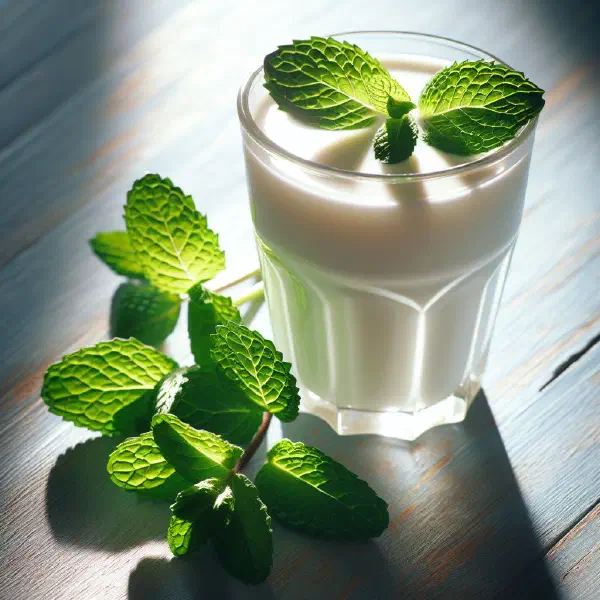
- Pour into tall glasses and garnish with mint.
Gluten-free / lactose-free version
Laban is naturally gluten-free. For a lactose-free version, several excellent lactose-free natural yoghurts are available and behave identically. Plant-based versions work too, a coconut or soy yoghurt with a squeeze of lemon comes surprisingly close, though the texture is thinner.
Tips for vegans and vegetarians
The drink is vegetarian as it stands. For a vegan laban, use unsweetened plant-based yoghurt (soy holds up best), thin it the same way and add a little extra salt and a squeeze of lemon juice to replicate the tang. Serve it just as cold.
More tips and tricks
Whisk the yoghurt smooth before adding water, or you will be chasing lumps forever. Adjust the dilution to taste, Omani laban is thinner than most people expect, closer to milk than to a smoothie. And salt it properly: without salt it tastes flat, and the savoury note is the whole point.
Adapting the recipe to your taste
A pinch of dried mint instead of fresh gives a deeper, more traditional flavour in some households. Cumin is common in the Gulf and worth trying. For a sweet version, popular with children, leave out the salt and add a spoonful of sugar and a few drops of rose water instead.
Ingredient substitutions
Buttermilk can replace yoghurt and water entirely, needing only salt and mint. Kefir makes a tangier, slightly fizzy version. If your yoghurt is very thick, use more water; if it is thin, use less, the target is a drinkable consistency rather than a fixed ratio.
Drink pairing ideas
Laban is the drink, and its role is to accompany food rather than to be accompanied. It is at its best beside heavily spiced dishes, shuwa, majboos, grilled meats, where the acidity cuts the fat. Follow the meal with cardamom coffee (qahwa) and dates, as Omanis do.
Serving and presentation ideas
Serve laban in tall glasses, well iced, with a sprig of mint and perhaps a light dusting of cumin on top. It should arrive at the table at the same time as the food, not before. In Oman it often comes in a large communal jug, which is exactly the right spirit for it.
A bit of history
Fermenting milk is one of the oldest food technologies in Arabia, developed of necessity in a climate where fresh milk spoils within hours. Laban, the word simply means milk in classical Arabic, spread across the whole region, taking slightly different forms in each country. In Oman it remains a daily staple rather than a novelty, and a genuine window onto Omani cuisine.
More recipe ideas
Summary: Laban
Laban is yoghurt, cold water, salt and mint, two minutes of work for the most refreshing thing on an Omani table. Serve it properly cold beside spiced rice or grilled meat and you will understand why nobody in the Gulf eats without it.