National Dish Oman: Maamoul (Recipe)
In this article
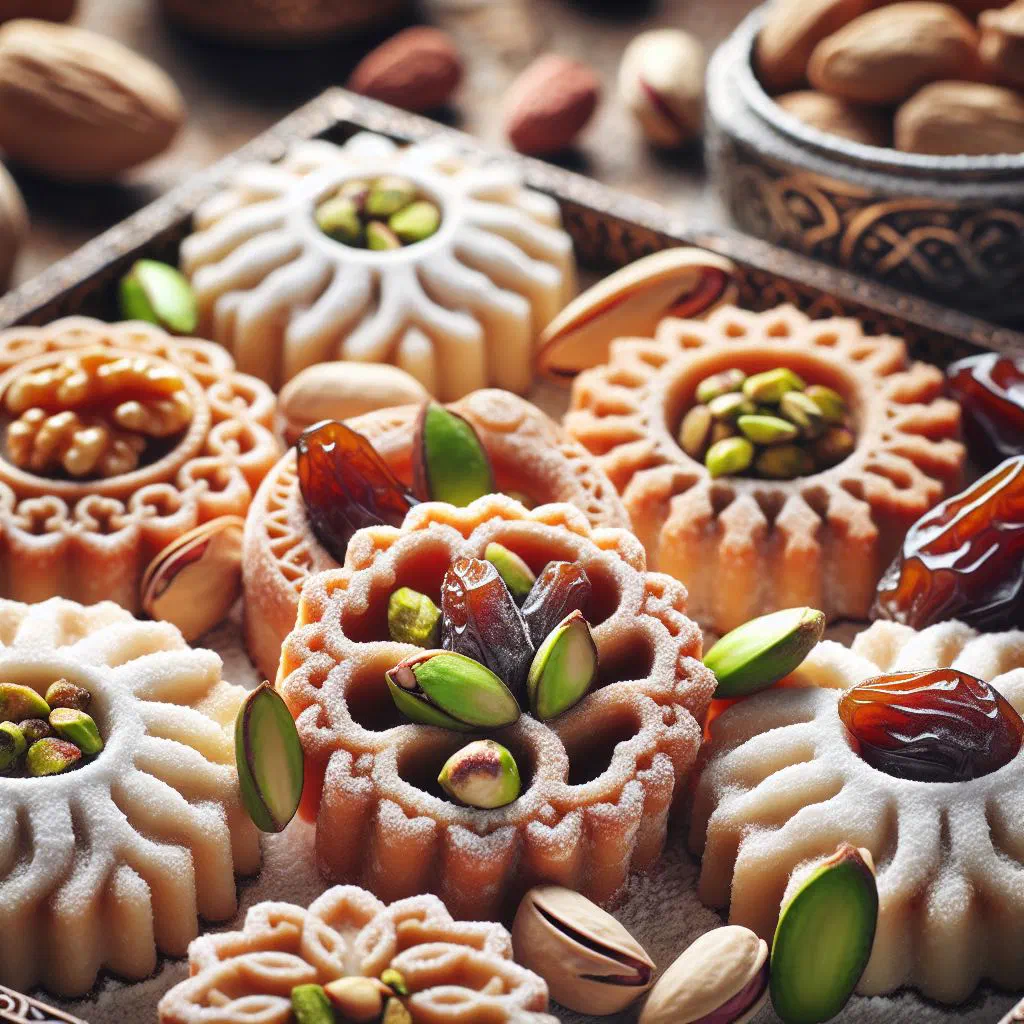
Discover Maamoul, the delicate stuffed pastries that stand as a symbol of Omani hospitality. These tender, crumbly cookies are filled with sweet dates, chopped nuts or figs and gently scented with cardamom. Baked for weddings, religious feasts and family gatherings across Oman and the wider Middle East, they turn any occasion into a celebration. Bring a taste of this timeless tradition into your own kitchen with a batch of freshly baked maamoul.
About Maamoul
Maamoul is a traditional pastry with its roots in Oman and across the Middle East. These delicious, delicately filled cookies are a treat for the palate and an important part of festive occasions such as weddings and religious holidays. They are often stuffed with a variety of nuts, dates or figs, and are prized for their tender, crumbly dough. Baking maamoul is an art form passed down through generations, reflecting the unique culture and traditions of the region.
Ingredients (serves 1–2)
- 200 g flour
- 100 g butter (softened)
- 50 g icing sugar
- 1 tsp ground cardamom
- 50 ml water
- 100 g dates (pitted and puréed)
- 50 g walnuts or almonds (chopped)
Shopping for the ingredients
When shopping for the ingredients for maamoul, it is important to pay attention to the quality and freshness of the produce. Visit local markets to find fresh dates and nuts. Using high-quality ingredients is key to achieving the authentic flavour of the pastry. Make sure the spices, such as cardamom, are fresh and aromatic so that you get the very best taste. Many of these ingredients are the same ones that give Omani Date Balls their rich sweetness.
Preparing the dish
Making maamoul takes a little patience, as both the dough and the filling need to be prepared well. Start by picking over and puréeing the dates until you have a smooth paste. Depending on your preference, this paste can be mixed with chopped nuts for a creamier texture and extra flavour. Make sure all the ingredients are ready before you begin mixing, so the whole process runs smoothly.
Step-by-step instructions
- In a large bowl, combine the flour, icing sugar and cardamom.
- Add the softened butter and mix well until you have a crumbly consistency.
- Slowly pour in the water and knead everything into a smooth dough.
- Wrap the dough in cling film and chill in the fridge for about 30 minutes.
- Once rested, divide the dough into small portions and roll them out thinly.
- Place a spoonful of the date-and-nut filling in the centre of each disc and seal the dough over the top.
- Decorate the surface with a maamoul mould or a fork.
- Arrange the cookies on a baking tray lined with baking paper and bake at 180°C for about 15–20 minutes, until golden.
- Once cooled, dust with icing sugar and serve.
Gluten-free / lactose-free version
For a gluten-free version of maamoul, you can use a gluten-free flour that offers the same consistency in place of wheat flour. Take care to swap other ingredients such as butter for lactose-free alternatives to adapt the recipe for those with a dairy intolerance. There are also plant-based butters and margarines that work beautifully. These adjustments mean everyone can enjoy the pleasure of maamoul, whatever their dietary needs.
Tips for vegans and vegetarians
Vegans can replace the butter in maamoul with a plant-based alternative to create a fully vegan version. Try coconut oil or plant-based margarine, both available in most supermarkets. You can experiment with the filling too: instead of dates, use other dried fruits or nut mixtures to discover new flavours. Just make sure all the other ingredients are vegan as well, so you end up with a completely plant-based treat.
More tips and tricks
To bake the best maamoul, we recommend kneading the dough well so it reaches the right consistency. Another important point is the resting time, a chilled dough is easier to shape and gives the flavours a chance to develop. Experiment with different fillings to create your own unique maamoul flavour. Decorating the cookies with nuts or a special sugar glaze can also add to the presentation. The same care with dough is what makes crisp, golden Gaimat so satisfying.
Adapting the recipe to your taste
The lovely thing about maamoul is that the recipe can easily be tailored to individual preferences. If you are not keen on walnuts, for example, you can use almonds, pistachios or other nuts instead. The filling can be varied too. Try a mix of dried fruits or pastry fillings to create different flavours. The spices in the dough can also be adjusted: cinnamon, vanilla or nutmeg can be added to change the aromas.
Ingredient substitutions
If certain ingredients are not available, or you would like to make your maamoul a little healthier, there are plenty of alternatives. You could swap the flour for another, healthier flour such as buckwheat or almond flour. For the filling, use figs or apricots instead of dates for different flavours. Natural sweeteners like honey or agave syrup can help reduce the sugar content while still guaranteeing plenty of sweetness.
Drink pairing ideas
A range of drinks pairs beautifully with maamoul and complements the flavour of the pastry. A cup of aromatic tea, such as Egyptian hibiscus tea, makes a refreshing accompaniment. A strong coffee, perhaps a fragrant Omani Coffee, can also underline the flavours of the dates and nuts harmoniously. For an alcohol-free option, a cucumber-mint lemonade offers a wonderful contrast to the sweetness of the cookies.
Serving and presentation ideas
The presentation of maamoul can heighten the pleasure of eating it. Serve the cookies on a beautiful, traditional plate, surrounded by fresh fruit or nuts. A light dusting of icing sugar gives the pastry an appealing finish. Combine the maamoul with decorative napkins and perhaps a small flower arrangement to create a festive atmosphere.
A bit of history
Maamoul has a long history that stretches back to antiquity. It is not only a beloved pastry in Oman but throughout the Arab world, where every region has its own special way of preparing it. Traditionally, maamoul were baked for special occasions and festivals to celebrate the traditions and cultures of the region. This timeless pastry has evolved over the years and remains, to this day, a symbol of hospitality and joy in many households, a cornerstone of Omani cuisine.
More recipe ideas
Summary: Maamoul
Maamoul is more than just a pastry; it is a culinary experience that embodies the essence of Arab culture. With its tender texture and its variety of fillings, it offers something special for every food lover. Baking these cookies encourages creativity in the kitchen and brings friends and family together to celebrate special occasions. Whether at festive gatherings or as a special treat for yourself, maamoul is always cherished and loved.