National Dish Oman: Markook (Recipe)
In this article
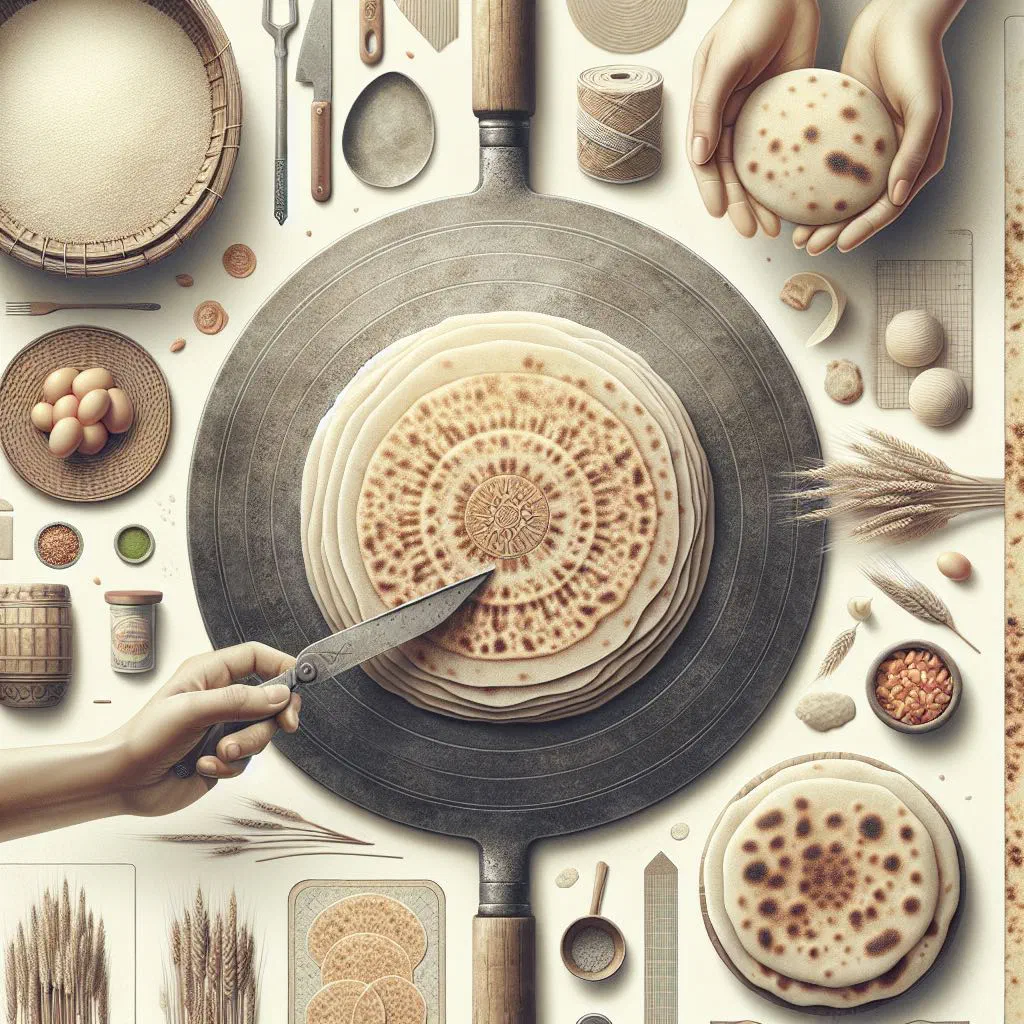
Discover Markook, a wonderfully thin Omani flatbread with a delicate, almost paper-like texture. Rooted in Arabic tradition, this simple bread is a cornerstone of the Omani table, perfect for scooping up hearty stews or dipping into fragrant sauces. With just a handful of pantry staples and a little patience at the pan, you can bring the warm hospitality of the Arabian Peninsula straight into your own kitchen.
About Markook
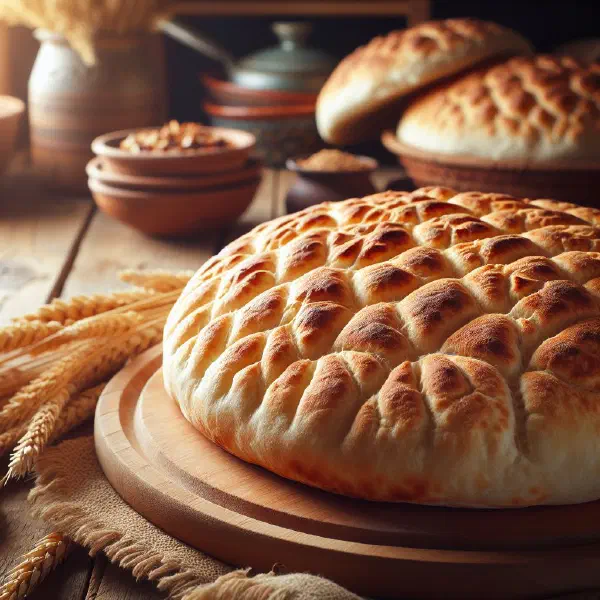
Markook is a traditional Omani flatbread celebrated for its remarkably thin and tender texture. This delicious bread has its origins in Arabic culture and is a firm fixture of Omani cooking. It is often served alongside savoury dishes or used for dipping into aromatic sauces. Beyond its lovely flavour, markook is refreshingly easy to make, which makes it the perfect companion to almost any meal, much like a simpler cousin of the puffier Omani Bread.
Ingredients (serves 1–2)
- 250 g wheat flour
- 150 ml water
- 1 pinch of salt
- 2 tablespoons olive oil (optional)
Shopping for the ingredients
For markook it is important to use good-quality wheat flour, as this forms the foundation for the bread’s perfect texture. Make sure the flour is fresh and free from additives. Olive oil can be added as an option to give the bread a little extra flavour, but it is by no means essential. Visit local markets or shops to track down the best ingredients for your bake.
Preparing the dish
Before you begin making Markook, gather all your ingredients and give your work surface a thorough clean. It is a good idea to have a large mixing bowl ready for combining everything. Take care that the water is lukewarm, as this makes the dough more supple. A gentle, patient kneading is key to achieving just the right consistency.
Step-by-step instructions
- In a bowl, mix the wheat flour with the salt.
- Gradually add the lukewarm water, stirring constantly as you go.
- Knead the dough well until it is smooth and supple.
- Divide the dough into small portions and roll each one out thinly.
- Heat a non-stick pan and cook the flatbreads one at a time until lightly golden.
- Serve the flatbreads warm, or keep them wrapped in a clean tea towel.
Gluten-free / lactose-free version
For a gluten-free version of markook you can use a gluten-free flour blend that is suitable for doughs. Keep an eye on the amount of water, as gluten-free flour often needs a little more liquid. As for lactose, this recipe is naturally lactose-free, since it contains no dairy at all. That means anyone with a lactose intolerance can happily enjoy this delicious bread.
Tips for vegans and vegetarians
Markook is naturally vegan, made simply from flour, water and salt. This makes it an excellent choice for vegans and vegetarians alike. When preparing it you can add the optional olive oil or leave it out, depending on your preference. Serve the flatbread with a variety of plant-based dips and sides, such as a bowl of creamy Hummus, to round out a balanced meal.
More tips and tricks
One of the best ways to intensify the aroma of Markook is to work fresh herbs or spices into the dough. Try options such as cumin or coriander to give the bread a special twist. You can also experiment with the cooking time to reach the perfect texture, some prefer their flatbreads a touch crispier, while others like them soft. It is well worth playing with different ideas to find your own favourite version.
Adapting the recipe to your taste
Making markook is wonderfully flexible, so you can easily tailor the recipe to your personal preferences. If you enjoy experimenting, add different flours such as spelt or buckwheat to test out new flavours and textures. You can also top or fill the bread if you want to serve it as a side or a snack. That way you get a fresh taste experience every single time.
Ingredient substitutions
If you do not have wheat flour to hand, other flours such as rice or corn flour can be used, though the texture may vary. Instead of olive oil you could also use melted coconut oil, which lends the bread an interesting flavour. For anyone with allergies or intolerances, it can be worth trialling alternative ingredients to make sure the finished bread is still delicious. Always read the labels too, to avoid any hidden allergens.
Drink pairing ideas
Many different drinks pair well with Markook. A refreshing hibiscus tea harmonises beautifully with the bread’s savoury notes. Alternatively, you could serve sparkling water with a squeeze of lemon to refresh the palate. If you fancy something more traditional, a cup of Omani Cardamom Tea makes a lovely accompaniment and rounds off the flavour combination perfectly.
Serving and presentation ideas
Presentation plays a real part in the enjoyment of Markook. Serve it on a large, flat plate, ideally in the centre of the table, to create a sociable atmosphere. Add a selection of dips such as hummus, Baba Ghanoush or fresh salsas to broaden the colour palette and invite guests to dig in together. A few fresh herbs as a garnish give the dish a lovely look and a fresh fragrance.
A bit of history
Markook has a long history in Arabic cuisine and is deeply rooted in the culture of Oman. It is often associated with hospitality, as it forms part of large feasts and gatherings. In the past this flatbread was traditionally cooked in clay ovens, which gave it a distinctive aroma. Today it is prepared in both traditional and modern ways, and it remains a much-loved staple of Omani cuisine.
More recipe ideas
Summary: Markook
Markook is an important part of Omani food culture. Thanks to its versatility and its easy preparation, it is perfectly suited to any occasion. Markook brings the flavours of the Orient straight into your kitchen. Let this traditional recipe inspire you and enjoy the many variations that can grow out of this simple yet flavoursome bread.