National Dish Pakistan: Dal Gosht (Recipe)
In this article
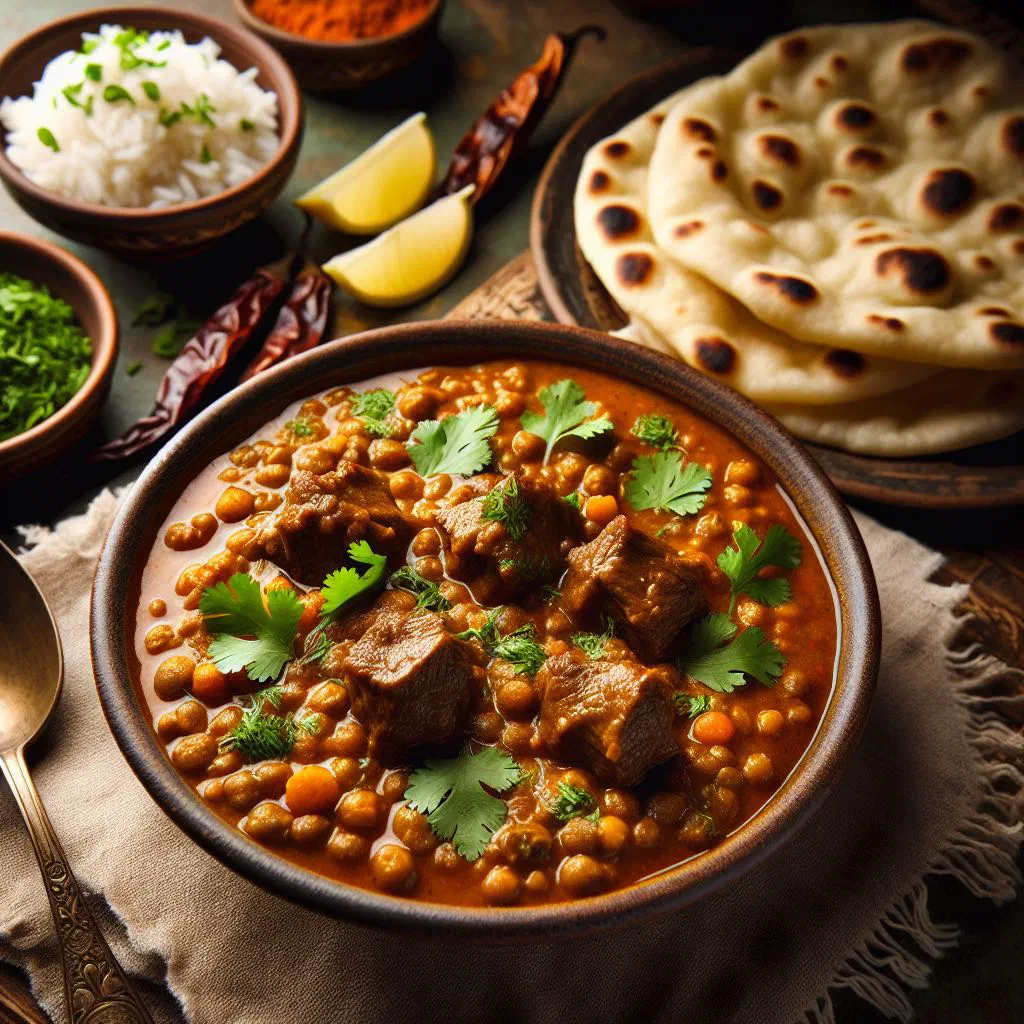
Meet Dal Gosht, a soul-warming Pakistani classic that brings together tender chunks of meat and hearty lentils in one richly spiced pot. Slow-simmered with ginger, garlic and a fragrant blend of garam masala, it delivers comfort and depth in every spoonful. Whether ladled over steaming basmati rice or scooped up with warm naan, this is a dish made for family tables and festive gatherings alike. Proof of just how satisfying home-style Pakistani cooking can be.
About Dal Gosht
Dal Gosht is a classic dish of Pakistani cuisine, one that draws in home cooks and food lovers alike. This delicious pairing of tender meat and nourishing lentils offers a captivating flavour and plenty of nutritional benefits. The way the aromas balance one another makes it an essential part of many celebrations and family meals. A handful of typical spices is what really brings the dish to life, showcasing the craft of Pakistan’s long cooking tradition.
Ingredients (serves 1–2)
- 200 g beef or lamb, diced
- 100 g red lentils
- 1 large onion, finely chopped
- 2–3 garlic cloves, crushed
- 1 piece of ginger, grated
- 1–2 green chillies, to taste
- 2 tablespoons tomato purée
- 1 teaspoon cumin
- 1 teaspoon ground coriander
- 1 teaspoon garam masala
- Salt and pepper, to taste
- 2–3 tablespoons oil or ghee
- Fresh coriander leaves, to garnish
Shopping for the ingredients
To make an authentic dal gosht, it is worth choosing good-quality ingredients. Visit your local butcher or an Asian grocery to track down the best spices and freshest produce. Fresh vegetables and quality meat both contribute to the intense aroma and rich flavour of the finished dish. Some items, such as the lentils, keep well and can be bought in larger quantities, making them handy for several meals, much like the pantry staples behind a good Daal Fry.
Preparing the dish
Good preparation is key to the success of dal gosht. Start by soaking the lentils in water for around 20–30 minutes to shorten their cooking time. Cut the meat into even pieces so it cooks through uniformly. It is also a good idea to measure out the spices in advance, which makes the cooking process smoother and helps guarantee a good result. This bit of groundwork also leaves room for relaxed, mindful cooking and a better flavour overall.
Step-by-step instructions
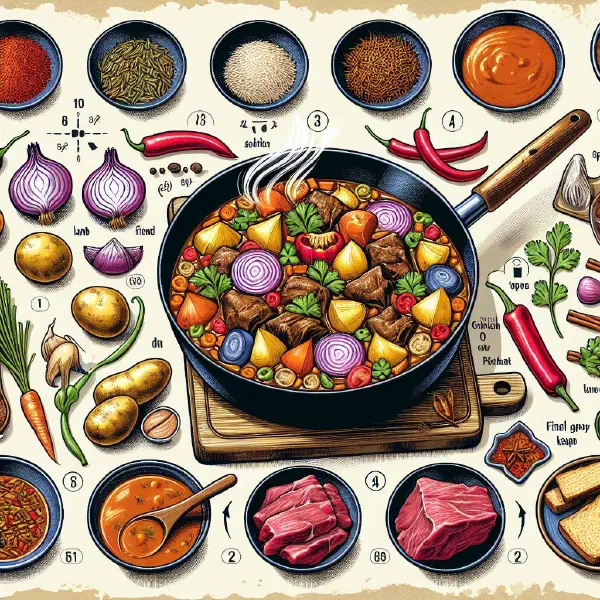
- Heat the oil or ghee in a large pot over medium heat.
- Add the chopped onion and fry until golden brown.
- Add the garlic, ginger and green chillies and fry for about 2 minutes.
- Add the diced meat and brown it well on all sides.
- Scatter the spices (cumin, coriander, salt and pepper) over the meat and stir well.
- Then add the tomato purée and the soaked lentils, mixing everything together thoroughly.
- Pour in enough water to cover the dish and bring it to the boil.
- Reduce the heat and let the dal gosht simmer for about 1–1.5 hours, until the meat is tender.
- Add the garam masala just before serving and stir it through.
- Garnish with fresh coriander leaves and serve hot.
Gluten-free / lactose-free version
Dal gosht is naturally gluten-free and contains no lactose, as long as you use the right ingredients. Do check that the spices and oils you use are also gluten-free, especially if they come pre-packaged. For a lactose-free version, reach for ghee or plant-based oils without giving up any of the flavour. There are plenty of options that lend the dish real aromatic depth while keeping it free from both gluten and lactose.
Tips for vegans and vegetarians
Although dal gosht is a meat dish, there are creative ways to make it vegan or vegetarian. Replace the meat with tofu or seitan and add vegetables such as carrots and potatoes to build a delicious plant-based version. You can also swap the meat stock for vegetable stock to keep the flavour full and rounded. These alternatives preserve the traditional essence of the dish while suiting anyone who prefers a plant-based diet, a similar approach works nicely for a hearty Lobia Curry.
More tips and tricks
For the best result, let the dal gosht simmer for as long as possible so the flavours can develop fully. Stir it regularly to stop anything catching on the base of the pot. Another tip is to add the spices while the onion is still frying, so they soak into the fat and deepen their aroma. Experiment with different chillies to reach exactly the level of heat you like.
Adapting the recipe to your taste
Dal gosht is an extremely versatile dish that is easy to adjust to personal preference. Like it spicier? Add more green chillies or a little chilli powder. For a milder result, hold back on the chillies and stir in a splash of cream or coconut milk for a creamier texture. You can also try different meats, such as chicken or goat, to discover new flavours and reinterpret your dal gosht, a versatility it shares with a good Mutton Korma.
Ingredient substitutions
If you do not have every ingredient to hand, feel free to get creative. If you cannot find red lentils, yellow lentils or even chickpeas make an excellent option with a similar texture. Instead of fresh tomatoes you can use plain tomato paste, and with the spices you are welcome to try whichever variations you prefer. Remember that experimenting with alternatives can sometimes lead to new and delicious discoveries, the same spirit behind a comforting Masoor Dal.
Drink pairing ideas
A range of drinks pairs beautifully with a hearty dal gosht. A traditional chai (spiced tea) makes a wonderful accompaniment and underlines the flavours of the dish. If you prefer something alcoholic, a cool beer or a light white wine can harmonise well. Lemonades and refreshing fruit juices are also good options for rounding off the combination of spice and savoury food. A cooling glass of Lassi is another classic choice.
Serving and presentation ideas
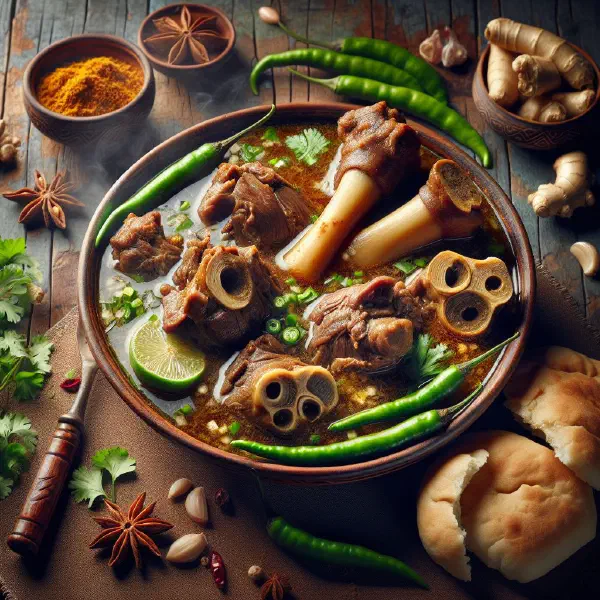
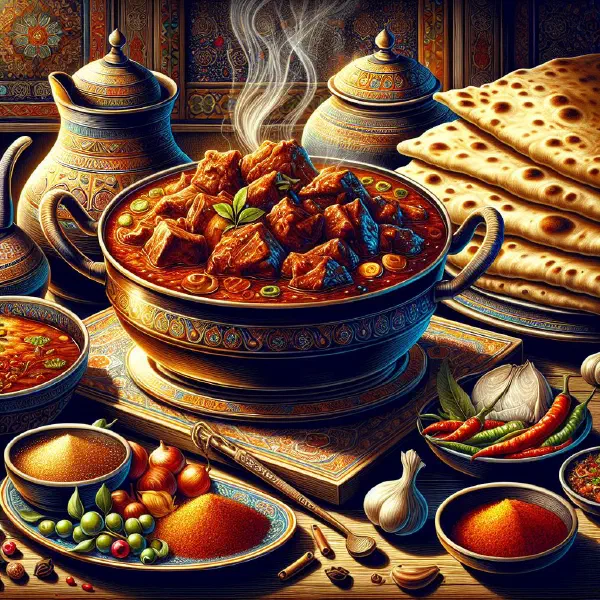
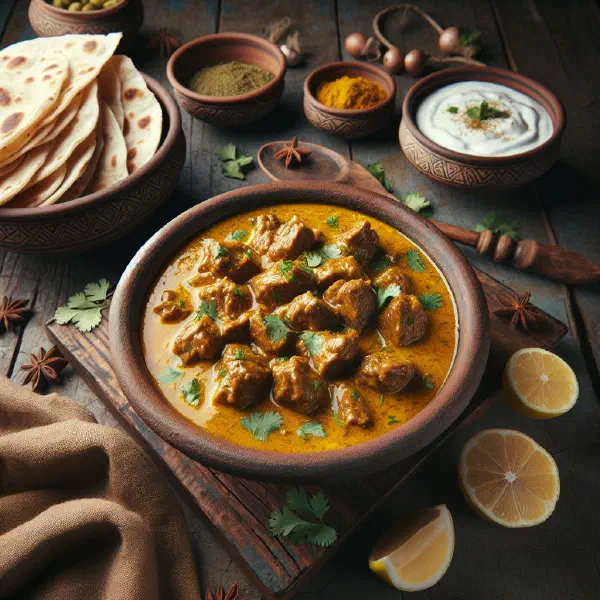
Presentation is key to completing the eating experience. Serve dal gosht in a large, shallow bowl, garnished with fresh coriander leaves and a squeeze of lemon. Alongside it, arrange some basmati rice in a separate bowl to create contrast. Fresh naan or roti served with the dish on a rustic wooden board enriches the whole picture. A spread like this is attractive and an invitation to a shared meal.
A bit of history
Dal gosht is deeply rooted in the culture and history of Pakistan. The combination of meat and pulses is not only nourishing but was also an old kitchen strategy for making the most of the available meat. In many regions of Pakistan the recipe has developed over generations, with each area adding its own spicing quirks. This dish therefore stands not just for delicious food but for the art of cooking and the shared meals that bind families and communities together, a hallmark of Pakistani cuisine.
More recipe ideas
Summary: Dal Gosht
Dal gosht is a delicious, hearty dish that captures the essence of Pakistani cuisine. With its combination of tender meat, aromatic spices and nourishing lentils, it is a treat for the palate and a great way to get to know Pakistan’s rich culinary tradition. Whether for special occasions or a cosy family dinner, dal gosht is always valued and loved. Let this dish tempt you and experience a piece of Pakistani hospitality for yourself.