National Dish Pakistan: Degi Korma (Recipe)
In this article
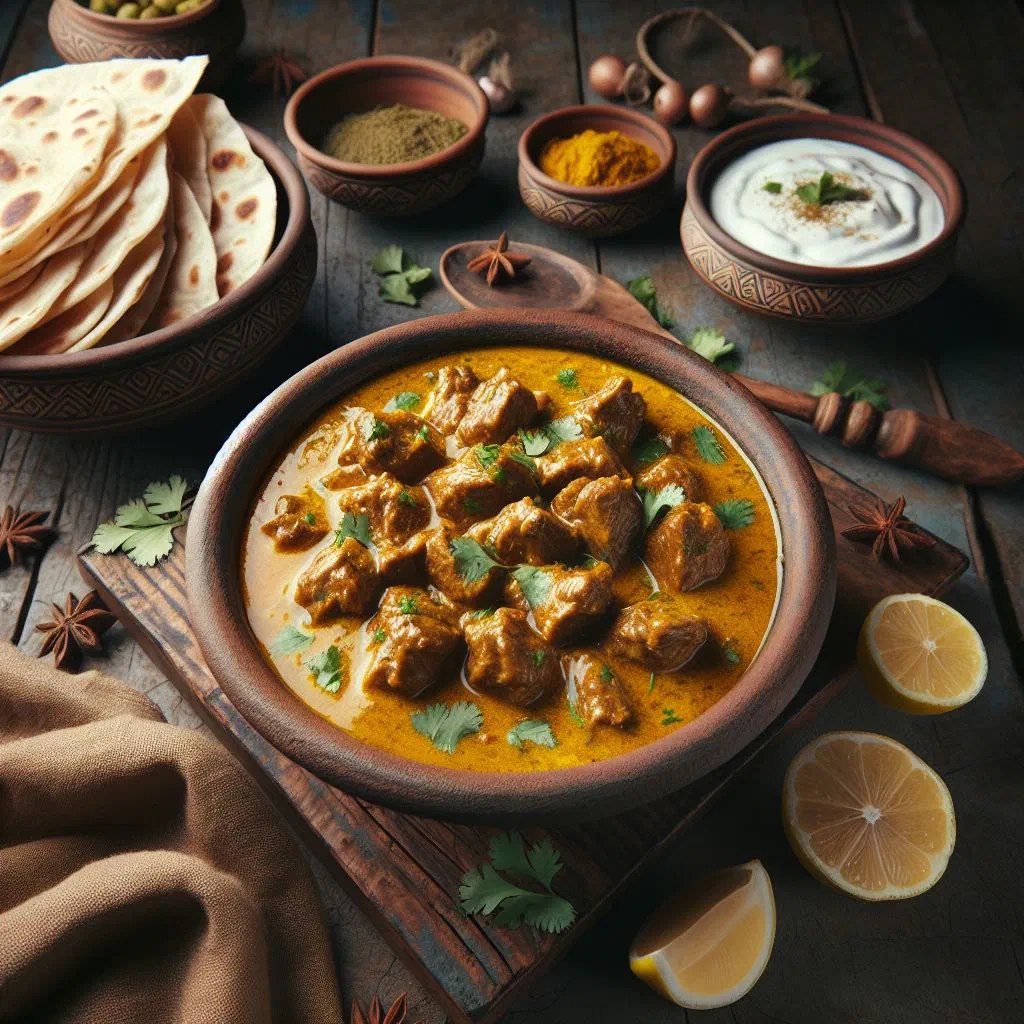
Discover Degi Korma, one of Pakistan’s most cherished celebration dishes. Tender meat is slow-cooked in a rich, spiced yoghurt sauce until it falls apart at the touch of a fork. More than just a meal, degi korma is a symbol of hospitality and togetherness at any Pakistani gathering.
About Degi Korma
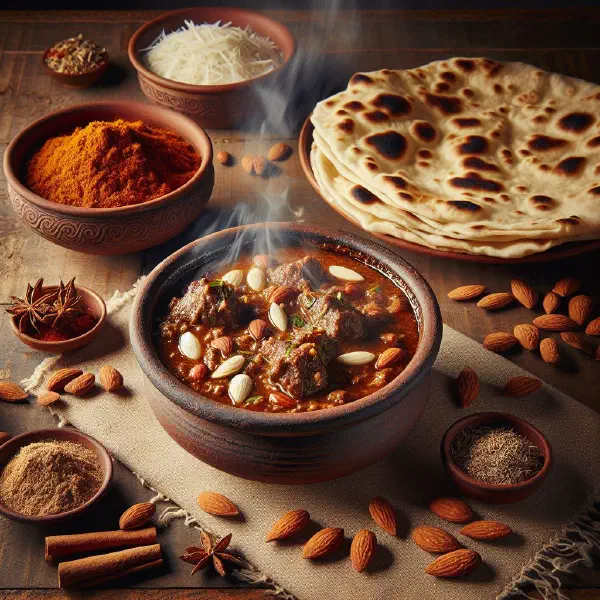
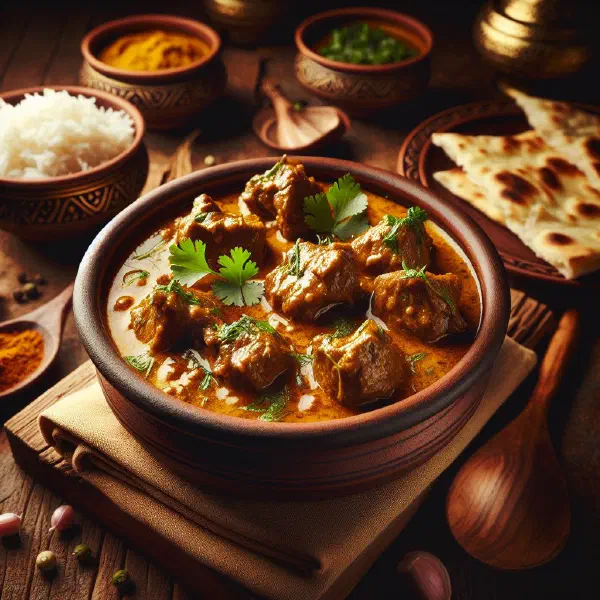
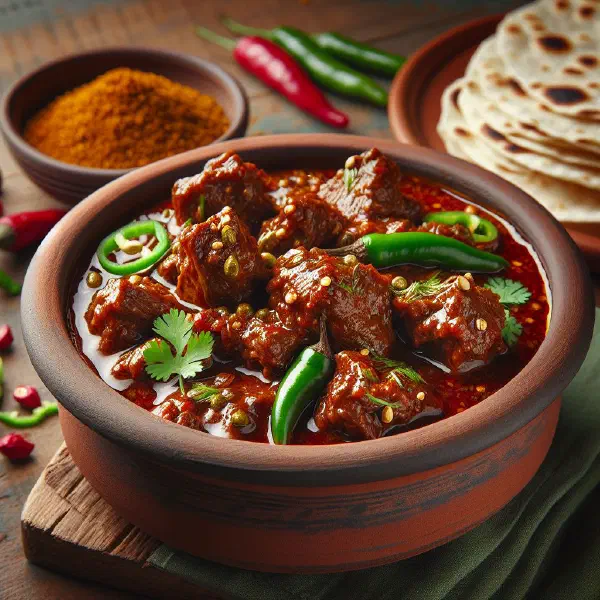
Degi Korma is one of the best-loved and most highly prized dishes from Pakistan, traditionally served at festive occasions and joyful celebrations. It wins hearts with its rich abundance of flavour and the tender texture of the meat, which comes from long, gentle simmering. In every bite the intense spices unfold, turning the dish into a genuine experience for the palate. Degi korma is not merely a dish but also a symbol of hospitality and conviviality in Pakistani culture.
Ingredients (serves 1–2)
- 500 g lamb or chicken, diced
- 2 onions, finely chopped
- 2–3 cloves of garlic, crushed
- 1 piece of ginger, grated
- 200 ml yoghurt
- 2–3 tablespoons ghee or vegetable oil
- 1 teaspoon cumin
- 1 teaspoon ground coriander
- 1 teaspoon garam masala
- Salt and pepper to taste
- Fresh coriander leaves, to garnish
- Optional: chilli to taste for heat
Shopping for the ingredients
When shopping for degi korma, it is important to choose high-quality produce to achieve the best possible flavour. Visit your local market or an Asian grocery to find the freshest spices and herbs. Pay particular attention to the meat, which is best when fresh and of good quality. The yoghurt should also be fresh to bring out the creaminess and the full flavour of the dish.
Preparing the dish
Good preparation is key to a perfect degi korma. Begin by cutting the onions and the meat into evenly sized pieces so they cook uniformly. Mix the spices with the yoghurt in a bowl to make the marinade, then leave the meat to marinate for a few hours or, ideally, overnight. This marinating time ensures the meat absorbs the flavours as fully as possible.
Step-by-step instructions
- Heat the ghee or vegetable oil in a large pan over medium heat.
- Add the chopped onions and fry until golden brown.
- Stir in the garlic and ginger and cook briefly.
- Add the marinated meat and brown it well on all sides.
- Pour in enough water to almost cover the meat and leave it to simmer over low heat.
- After about 30–40 minutes the meat should be tender; add the spices and simmer for a further 10 minutes.
- Garnish with freshly chopped coriander and serve.
Gluten-free / lactose-free version
If you would like to make a gluten-free or lactose-free version of degi korma, replace the yoghurt with a lactose-free alternative or a plant-based yoghurt. Make sure all the spices you use are gluten-free, as some spice blends can contain hidden gluten. Ghee is naturally lactose-free, but you can also use vegetable oil if you have any concerns.
Tips for vegans and vegetarians
For vegan and vegetarian versions of degi korma, you can use mixed vegetables, chickpeas or tofu instead of meat. Marinate the vegetables as usual and simmer them in the sauce until tender. Be sure to use plant-based alternatives for the yoghurt and ghee. These adaptations bring new flavours to the dish and make it accessible to a wider audience.
More tips and tricks
A few extra tips and tricks can make your degi korma even better. Experiment with the consistency by adding more or less water, depending on whether you prefer a thicker or thinner sauce. It is best to let the dish rest for a while before serving, as this allows the flavours to develop more fully. If you want to tone down the heat, simply adjust the amount of chilli or leave it out altogether without affecting the flavour.
Adapting the recipe to your taste
Since every cook has their own preferences, degi korma is easy to adapt. Add extra vegetables or even fruit such as apricots to bring in a subtle sweetness. If you like it spicier, you can add different spices such as cinnamon or cloves. The beauty of degi korma is that it lends itself perfectly to personal touches, so it can be made to suit any palate, much like a slow-simmered Aloo Gosht.
Ingredient substitutions
If some of the traditional ingredients are not available to you, there are plenty of alternatives. Instead of lamb or chicken, you can also use beef or even fish. In place of fresh ginger, ground ginger works well, and although it changes the flavour slightly it is still delicious. Likewise, silken tofu can replace the yoghurt to create a vegan version that remains beautifully creamy. For a leaner take on the meat, try the technique behind a Mutton Korma.
Drink pairing ideas
To round off the experience of degi korma, a range of drinks works well. A refreshing mint lemonade or a mango Lassi pairs beautifully and balances the spices of the dish. If you prefer wine, choose a light white or a rosé that harmonises with the aromas. Traditional chai tea is another excellent choice to complete the meal.
Serving and presentation ideas
The presentation of degi korma can enhance the enjoyment considerably. Serve the dish in a deep bowl and garnish it with fresh coriander or even toasted nuts for an extra crunch. Place a few lemon wedges to the side so guests can intensify the flavour with a squeeze of juice to their liking. A basket of warm Naan alongside makes for a generous spread, and attractive tableware helps to emphasise the colours of the dish and create an inviting atmosphere.
A bit of history
Degi korma has a history rooted in Indian and Pakistani cuisine. Originally it was a dish typical of the Mughal rulers, reflecting the refined culinary art of their era. The combination of aromatic spices and a rich sauce speaks of the comfort of home cooking and of festive preparation for special occasions. The recipes are passed down from generation to generation and are often adapted to regional tastes and traditions, a hallmark of Pakistani cuisine.
More recipe ideas
Summary: Degi Korma
In summary, degi korma is an exceptional dish that represents the depth of an entire culture within Pakistani cuisine. With its aromatic sauce and tender meat, it is a perfect choice for festive occasions and family meals. Its variety of spices and its scope for adaptation make it a dish that can easily be tailored to personal preference. Enjoy degi korma together with fragrant basmati rice or naan, and let your senses be enchanted by this delicious creation.