National Dish Pakistan: Lobia Masala (Recipe)
In this article
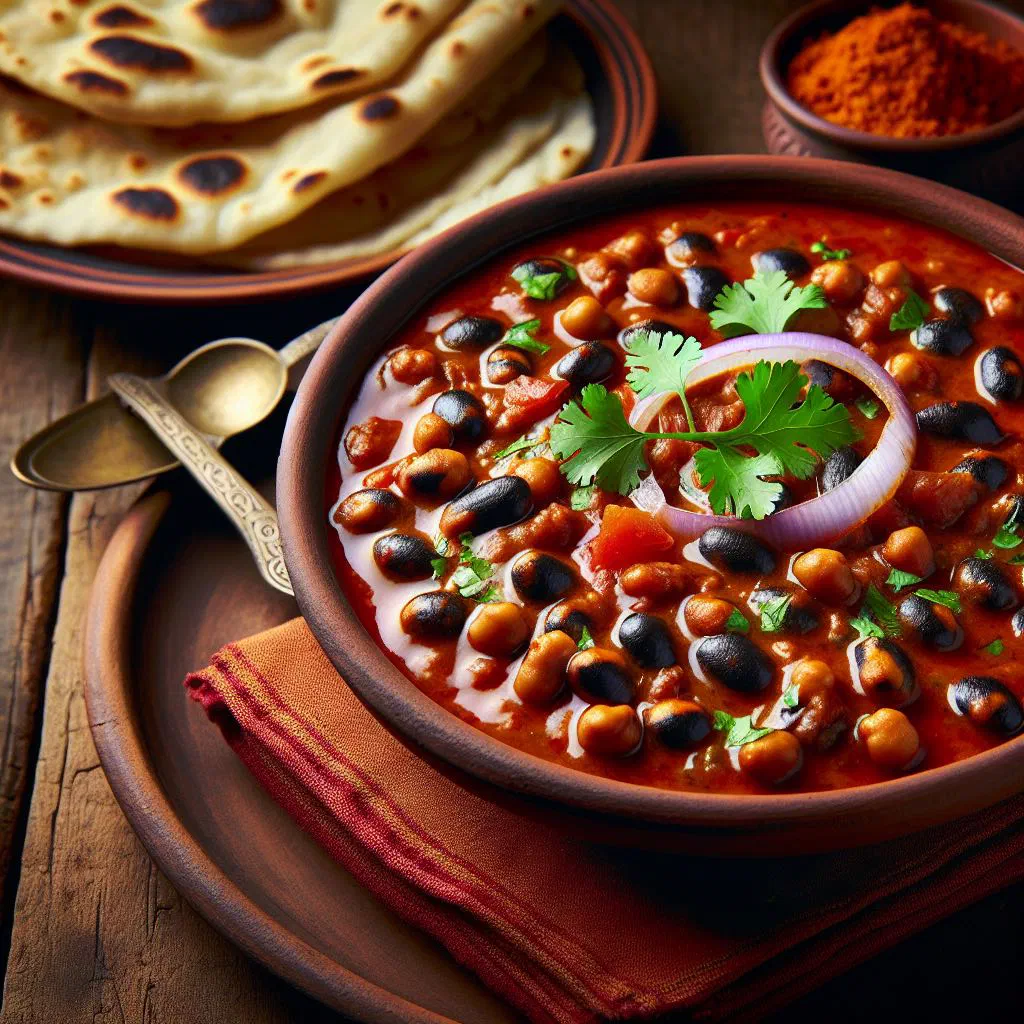
Meet Lobia Masala, a comforting Pakistani curry built around protein-rich black-eyed beans simmered in a fragrant tomato and onion base. Wholesome, naturally vegetarian and gluten-free, it is the kind of dish that suits almost any diet and any occasion, from a relaxed midweek supper to a festive family spread. Ladle it over steamed rice or scoop it up with warm naan, and enjoy a nourishing taste of Pakistan.
About Lobia Masala
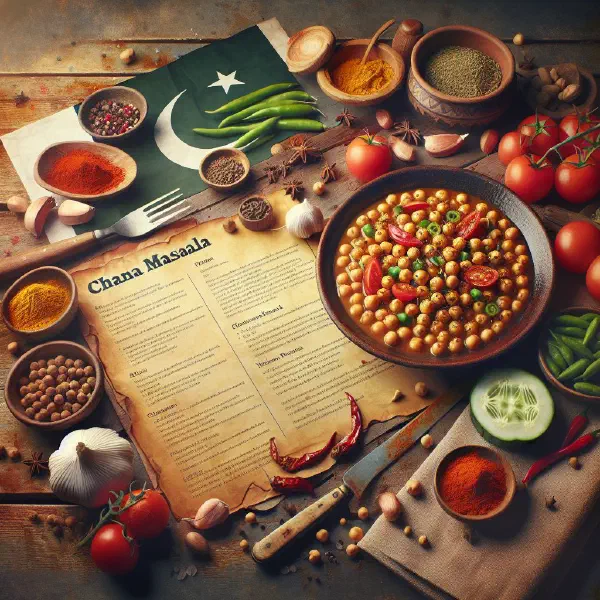
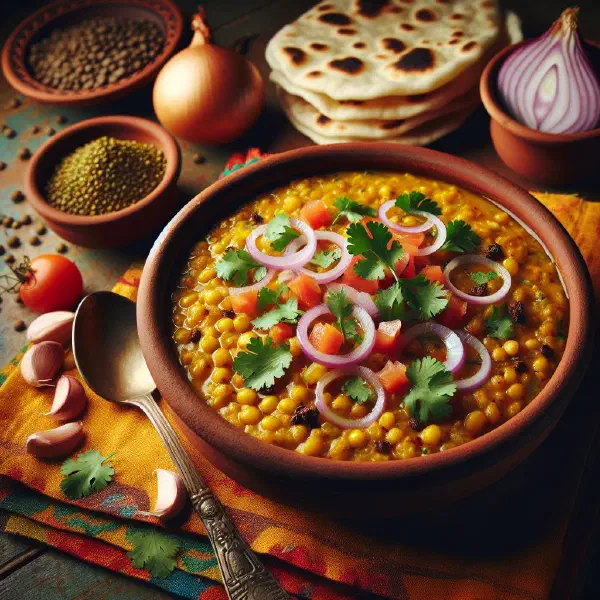
Lobia Masala is a traditional dish from Pakistan, celebrated for its hearty depth of flavour and its nourishing qualities. It is made chiefly from black-eyed beans, prized for their high protein content. Fresh ingredients such as onions, tomatoes and an aromatic mix of spices give lobia masala a rich, satisfying taste and make it a healthy choice for anyone keeping an eye on their diet. Served with rice or naan, it is a wonderfully nourishing meal enjoyed both at family celebrations and as everyday fare.
Ingredients (serves 1–2)
- 1 cup black-eyed beans (lobia)
- 1 large onion, finely chopped
- 2 large tomatoes, diced
- 2–3 green chillies, to taste
- 1 teaspoon ginger-garlic paste
- 1 teaspoon cumin seeds
- 1 teaspoon ground coriander
- 1/2 teaspoon garam masala
- Salt, to taste
- Fresh coriander, to garnish
- Oil, for frying
Shopping for the ingredients
For lobia masala it is well worth choosing the freshest, best-quality produce you can find. The black-eyed beans are the star ingredient and should be well sorted and free of any grit or debris. Head to an Asian or Indian grocery to track down authentic spices that round the dish off perfectly. Pick onions and tomatoes with a bright colour and firm texture to guarantee the best possible result.
Preparing the dish
Before you start cooking lobia masala, good preparation makes all the difference. The black-eyed beans are usually best soaked overnight to shorten their cooking time and make them easier to digest. Once soaked, rinse the beans thoroughly to wash away any residue. As is typical, the onions and tomatoes are washed and cut into suitable pieces before cooking, so they fry quickly and evenly in the pan.
Step-by-step instructions
- Bring the soaked black-eyed beans to the boil in a pan of fresh water and simmer for 30–40 minutes, until tender.
- Heat the oil in a large pan and add the cumin seeds, waiting until they begin to splutter.
- Add the chopped onions and fry over a medium heat until golden brown.
- Stir in the ginger-garlic paste and the green chillies and fry for about a minute.
- Add the diced tomatoes along with the ground coriander, garam masala and salt, and stir well.
- Add the cooked beans and mix everything together thoroughly. Let it simmer gently over a low heat for a few minutes.
- Garnish with fresh coriander to taste and serve hot.
Gluten-free / lactose-free version
Lobia Masala is naturally gluten-free and lactose-free, since its main components, black-eyed beans and fresh vegetables, contain no such ingredients. Do check, however, that the spices you use carry no added anti-caking agents that might contain gluten or lactose. Reach for high-quality, gluten-free spices to make sure the dish meets the needs of anyone who is gluten-intolerant or sensitive to lactose. This flexibility makes lobia masala an ideal choice for a wide range of diets.
Tips for vegans and vegetarians
For vegans and vegetarians, lobia masala is already an excellent choice, as it is built entirely on plant-based ingredients. To deepen the flavour, you can add extra vegetables such as peppers or carrots. For more texture and nutrition, quinoa or millet can be cooked alongside the beans. If you would like to enrich the dish further, try a squeeze of lemon juice or serve it with a green salad for a fresh, crisp contrast.
More tips and tricks
To get the best out of lobia masala, take care to cook the beans just right and avoid overcooking them, or they will turn mushy. Taste the spices regularly as you cook so you can dial in exactly the flavour you want. If the sauce becomes too thick, simply add a little water or stock to bring it back to the consistency you like. Draining the beans well also helps improve both the taste and the texture.
Adapting the recipe to your taste
The beauty of lobia masala lies in how versatile the recipe is. Depending on your own taste, you can add different vegetables or spices to shape the dish exactly as you please. If you like it hotter, increase the number of green chillies or switch to a spicier variety. Aromatic herbs such as mint can also lend this traditional dish a refreshing note. Perfect for the summer months.
Ingredient substitutions
If you are missing an ingredient for lobia masala, there are often clever alternatives to hand. Instead of black-eyed beans, for example, you could use kidney beans if you prefer, much like the hearty pulses in a Rajma Masala. Garlic powder is a practical stand-in for the ginger-garlic flavour, while diced tomatoes can be swapped for passata to give a smoother sauce, especially handy for anyone who prefers a simpler preparation.
Drink pairing ideas
A range of drinks pairs beautifully with an aromatic dish like lobia masala. A refreshing minty Lassi is a classic choice, both cooling and wonderfully complementary in flavour. For an alcohol-free option, a fresh cucumber-mint tea or a fragrant hibiscus tea also works very well. If you would like an alcoholic accompaniment, a light Indian beer offers a nice balance to the dish’s spicy notes.
Serving and presentation ideas
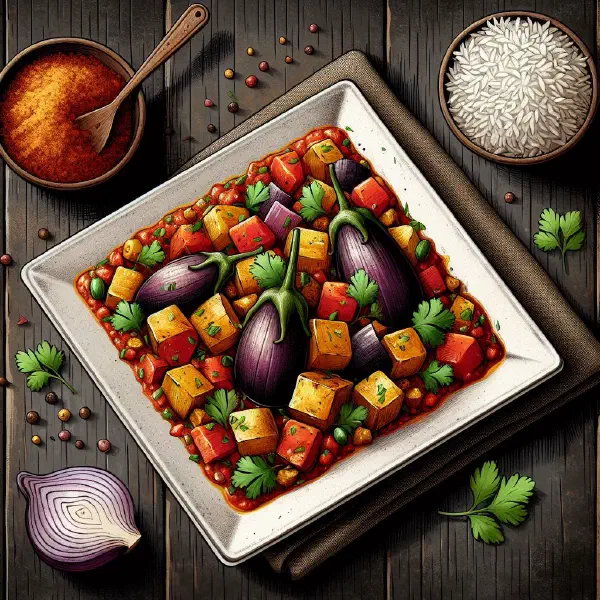
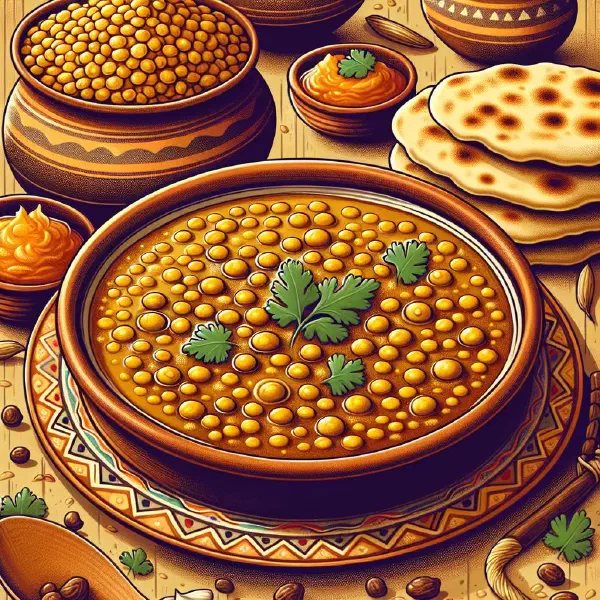
Presentation can lift the enjoyment of lobia masala considerably. Serve the dish in a large, attractive bowl and garnish it with fresh coriander and a slice of lemon for a splash of colour. A classic Naan or fragrant basmati rice can be placed alongside for an appealing spread. You might also present small dishes of accompaniments such as pickled vegetables or chutney, which add a festive touch to the whole meal.
A bit of history
Lobia masala has a long history and is closely bound up with traditional Pakistani cuisine. Beans are among humanity’s oldest food sources and have been valued across many cultures for centuries. In Pakistan, black-eyed beans are often used as a nourishing and readily available ingredient. The dish has evolved over the years and reflects the richness and variety of the region’s spices, cooking techniques and eating habits, making it a cherished part of the country’s culinary traditions and a fine example of Pakistani cuisine.
More recipe ideas
Summary: Lobia Masala
In short, lobia masala is a fascinating and flavourful dish that wins you over with its taste and with its nourishing qualities. With simple ingredients and a wealth of ways to adapt it, it is an ideal recipe for anyone wanting to get to know Pakistani cuisine. Let the versatility and the aromas of this dish inspire you, and enjoy a truly delicious meal.