National Dish Pakistan: Sohanjna Gosht (Recipe)
In this article
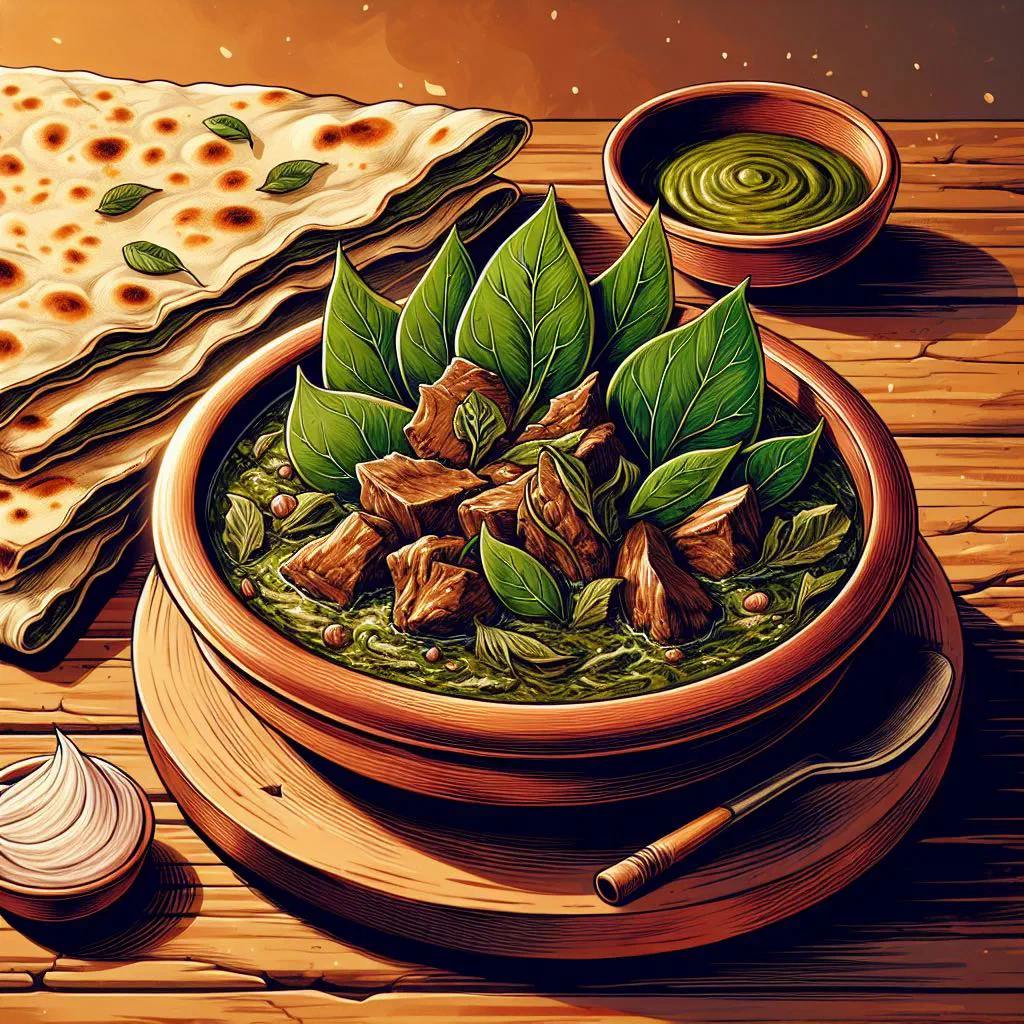
Discover Sohanjna Gosht, a deeply comforting curry that pairs tender, slow-cooked meat with the nutrient-rich leaves of the moringa tree. Fragrant with cumin, coriander and green chilli, this Pakistani classic turns a handful of humble ingredients into a memorable meal. It is wholesome enough for an everyday family dinner yet special enough to grace the table on festive occasions, bring the warmth of a Punjabi kitchen straight into your own home.
About Sohanjna Gosht
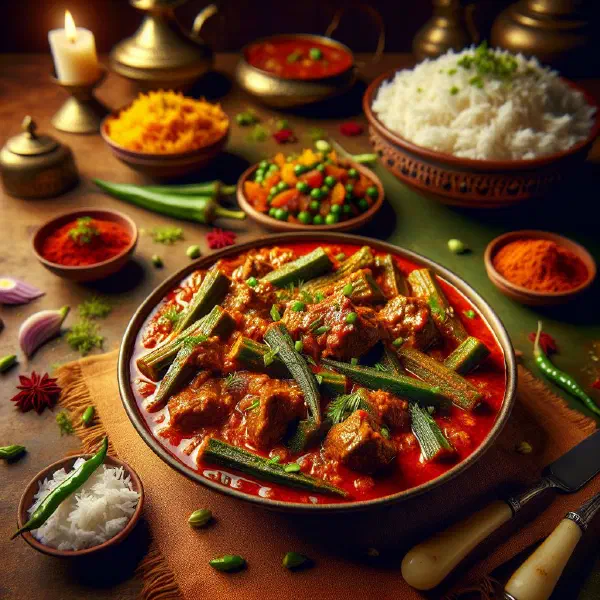
Sohanjna Gosht is a traditional Pakistani dish that captures the flavours and food culture of the country beautifully. It brings together tender meat and the nutrient-rich leaves of the moringa tree, known locally as sohanjna. Moringa is prized for its distinctive taste and for its many health-giving properties. The careful balance of ingredients and spices makes this dish a genuine feast, equally at home at a weeknight family dinner or a special celebration.
Ingredients (serves 1–2)
- 300 g beef or lamb, diced
- 200 g moringa leaves (fresh or frozen)
- 1 large onion, finely chopped
- 2–3 cloves garlic, crushed
- 1 teaspoon ginger paste
- 2–3 green chillies, to taste
- 1 teaspoon cumin
- 1 teaspoon ground coriander
- Salt to taste
- 2 tablespoons oil or ghee
- Water as needed
Shopping for the ingredients
When shopping for Sohanjna Gosht, choose fresh, good-quality produce to guarantee the best flavour. Moringa leaves can be found in well-stocked Asian or international grocery shops, and frozen leaves make a perfectly good stand-in when fresh ones are hard to come by. Be sure to pick up fresh whole spices such as cumin and coriander too, as they really bring out the authentic character of the dish.
Preparing the dish
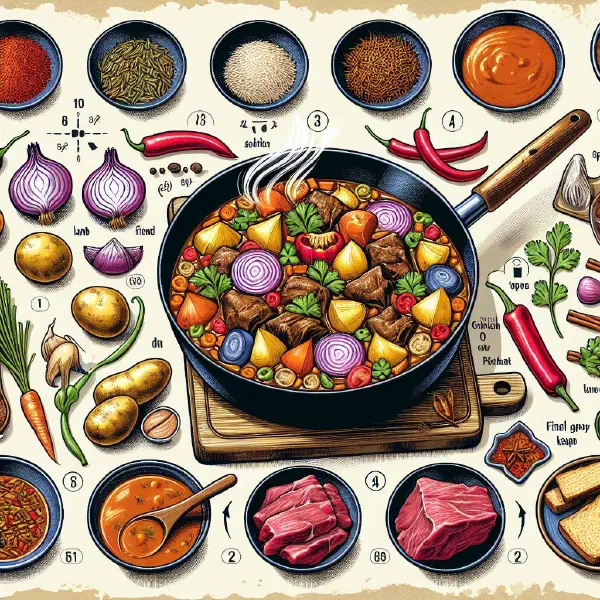
Before you start cooking Sohanjna Gosht, it pays to get everything prepared. Cut the meat into even cubes and finely chop the onion and garlic. If you are using fresh moringa leaves, wash them thoroughly and strip out the thicker stalks. This groundwork helps the dish cook evenly and lets the aromas come through at their best. A similar bit of prep goes a long way in a hearty Saag Gosht.
Step-by-step instructions
- Heat the oil or ghee in a large pot and sauté the onions until golden brown.
- Add the garlic, ginger and green chillies, and fry for about 2 minutes.
- Add the diced meat and brown it well on all sides.
- Sprinkle over the cumin, ground coriander and salt, and stir everything together thoroughly.
- Pour in enough water to just cover the meat, then leave it to simmer gently over low heat.
- After about 30 minutes of cooking, stir in the moringa leaves and simmer for a further 10 minutes.
- Serve hot with rice or bread.
Gluten-free / lactose-free version
Sohanjna Gosht is naturally gluten-free and lactose-free, as the main ingredients are simply meat and moringa leaves. When choosing your oil or ghee, just check that no gluten-containing additives have slipped in. This makes the dish an ideal choice for anyone with a relevant allergy or intolerance. Serve it with gluten-free bread or plain rice to round out a complete meal.
Tips for vegans and vegetarians
To turn Sohanjna Gosht into a vegan or vegetarian version, swap the meat for tofu or chickpeas. Both offer an excellent source of protein and soak up the aromatic spices wonderfully. Use vegetable stock in place of water for an extra layer of flavour. Keep an eye on the cooking time, as plant-based proteins usually cook through more quickly than meat.
More tips and tricks
To make the most of Sohanjna Gosht, try experimenting with different spice combinations. A pinch of garam masala stirred in just before serving adds a lovely extra depth of flavour, while a squeeze of lemon juice lifts the whole dish with a fresh note. Serve it alongside a cooling yoghurt or raita to balance the heat of the green chillies.
Adapting the recipe to your taste
The recipe for Sohanjna Gosht leaves plenty of room for personalisation. Depending on your taste, you can adjust the amount and type of spices, or add extra vegetables to boost the nutritional value. Remember to tweak the cooking time to suit, especially if you are working with softer or firmer vegetables. That freedom lets you shape the dish exactly to your liking while keeping its traditional roots intact.
Ingredient substitutions
If you can’t get hold of moringa leaves, chard or spinach make a great alternative, blending into the dish easily and offering a similar texture, much like the greens in a comforting Aloo Palak. Instead of beef or lamb, chicken or seitan work well for different flavour experiences.
Drink pairing ideas
A range of drinks pairs beautifully with Sohanjna Gosht and complements its flavours. A lightly chilled Lassi is a refreshing choice that also tames the heat of the chillies. Alternatively, a spiced Masala Chai or a glass of fresh lemonade offers a refreshing contrast. A crisp Asian-style lager can add a special note too.
Serving and presentation ideas
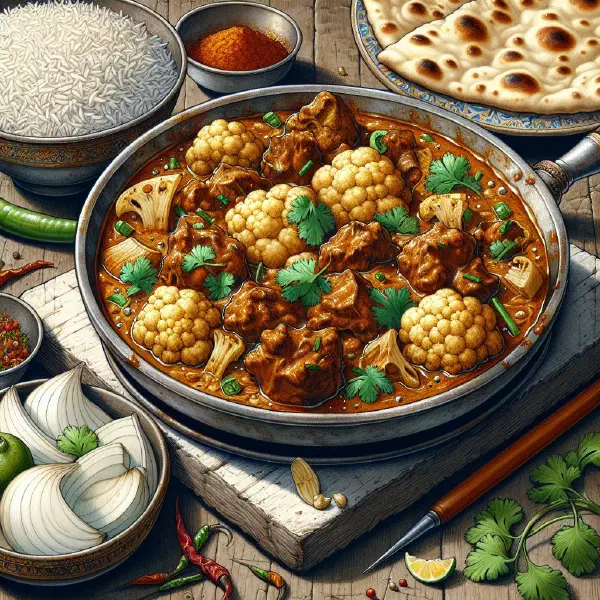
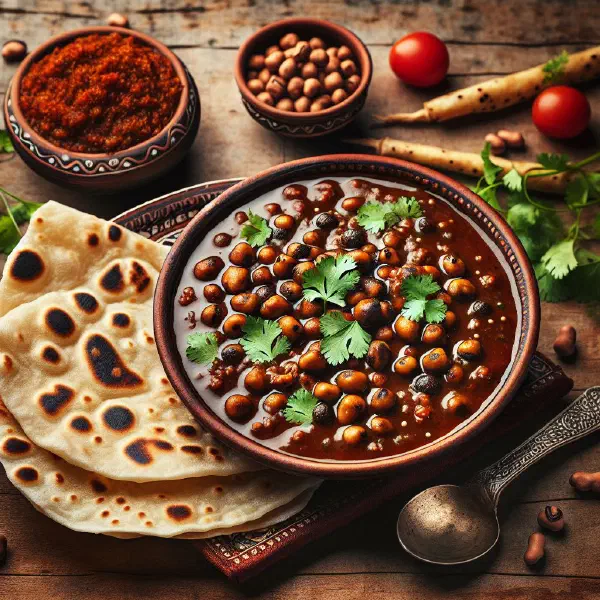
Thoughtful presentation can lift the whole Sohanjna Gosht experience. Serve the curry in an attractive bowl and garnish it with fresh coriander or mint. A few lime wedges arranged around the plate add visual appeal and can be squeezed over the dish just before eating to freshen it up. Traditional tableware and a warm table setting complete the picture.
A bit of history
Sohanjna Gosht has a long history in Pakistani cooking and is often linked to celebrations and festivals. The moringa plant originated in India and has become firmly established in the region’s kitchens thanks to its many health benefits. The dish reflects the rich culinary diversity of Pakistani cuisine, which is so strongly shaped by traditional spices and cooking methods. It is a symbol of hospitality, frequently served on special occasions to bring family and friends together.
More recipe ideas
Summary: Sohanjna Gosht
Sohanjna Gosht is more than just a dish; it is a culinary tradition that weaves together culture and flavour. With its combination of tender meat and nutrient-rich moringa leaves, it is both wholesome and full of taste. Its many possibilities for adaptation make it easy to tailor to personal preference, all while preserving the authentic flavour of Pakistani cuisine. Treat yourself and your guests to this flavourful experience, and let its aromas cast their spell.