National Dish Pakistan: Tamatar Gosht (Recipe)
In this article
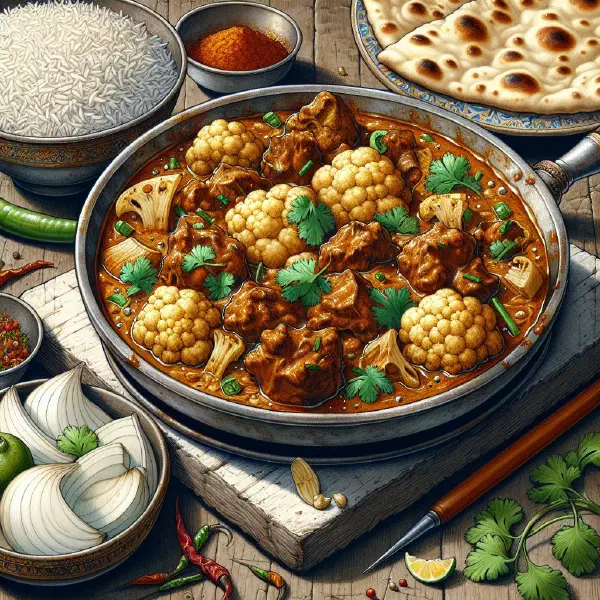
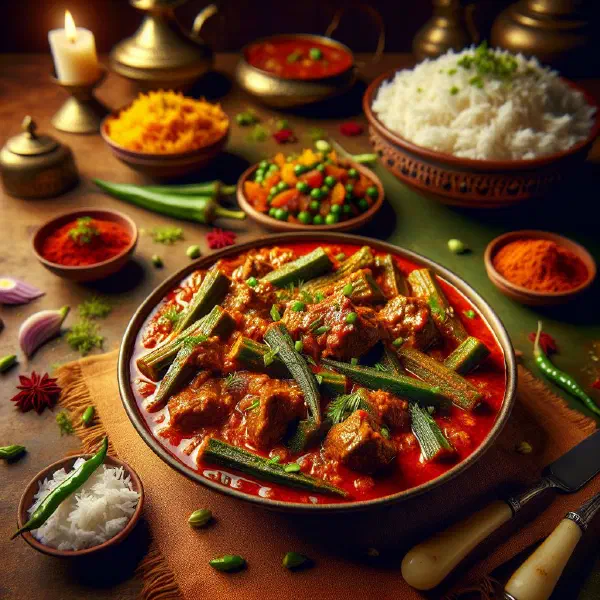
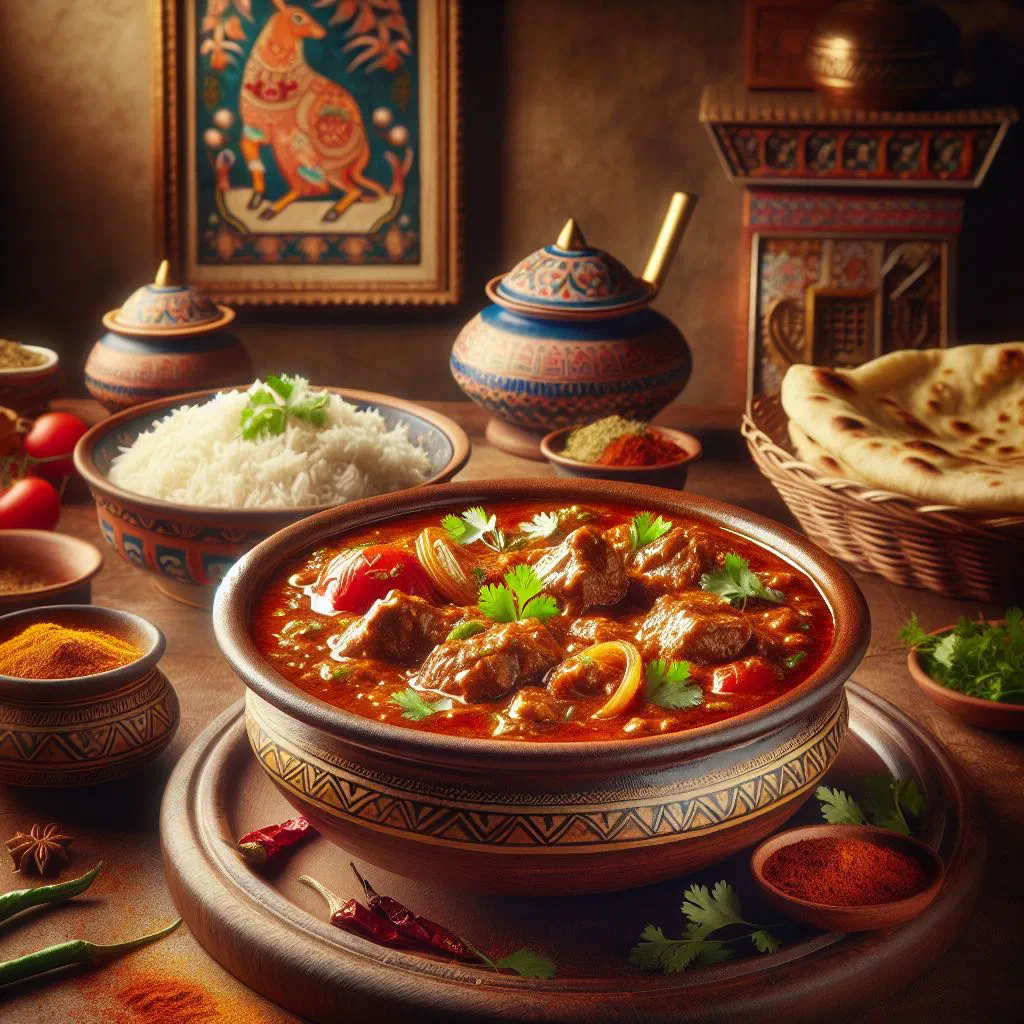
Say hello to Tamatar Gosht, a comforting tomato-and-meat curry that sits at the heart of many Pakistani kitchens. Tender pieces of lamb or beef are simmered with ripe, juicy tomatoes and a warming blend of spices until the sauce turns rich and glossy. It is the kind of home-cooked dish that fills the whole house with aroma, and it comes together with only a handful of everyday ingredients. Serve it with fluffy basmati rice or warm naan and you have a meal that feels both humble and special.
About Tamatar Gosht
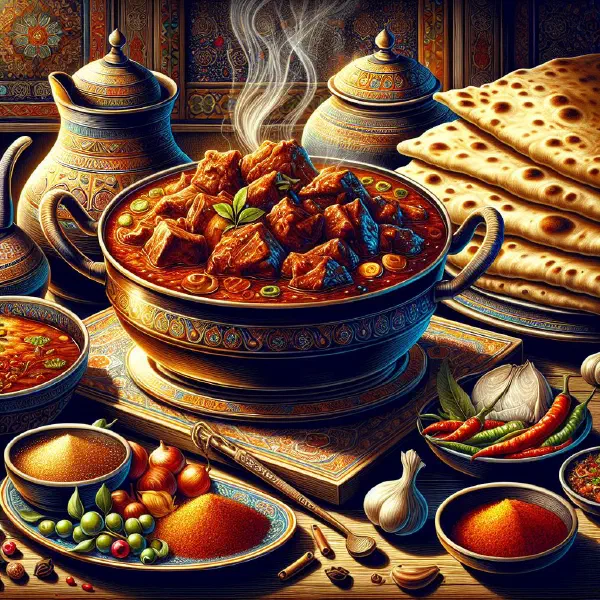
Tamatar Gosht is a much-loved dish from Pakistani cuisine, celebrated for the way it brings together tender meat and juicy, aromatic tomatoes. The two are slowly cooked with a generous mix of spices, and the result is a deeply satisfying curry with a flavour all its own. It is a staple in countless households, easy to prepare yet full of character. Enjoy it with basmati rice or naan for a complete and hearty meal.
Ingredients (serves 1–2)
- 300g lamb or beef, diced
- 3 large tomatoes, chopped
- 1 large onion, finely chopped
- 2–3 garlic cloves, crushed
- 1 teaspoon ginger, grated
- 2–3 green chillies, to taste
- 1 teaspoon cumin
- 1 teaspoon garam masala
- Salt to taste
- 2–3 tablespoons oil
- Fresh coriander leaves, to garnish
Shopping for the ingredients
When shopping for Tamatar Gosht, it pays to choose fresh, good-quality produce. The meat is best when it is nicely marbled, as this gives the dish its ideal texture and richness. Pick tomatoes that are ripe and juicy so the sauce turns out full of flavour. The spices matter too; fresh, fragrant spices lend the curry even more depth and aroma.
Preparing the dish
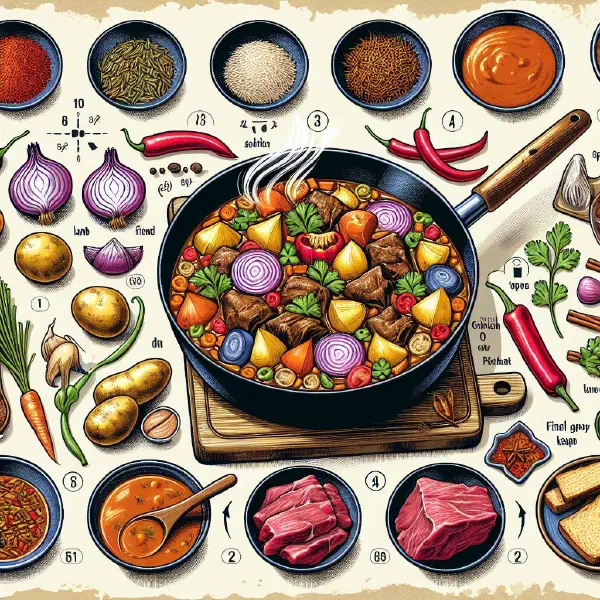
Getting ready to cook Tamatar Gosht is simple and takes only a few steps. Begin by cutting the meat into even pieces so it cooks through uniformly. Finely chop the onions, as they form the base of the sauce. Finally, have the tomatoes and remaining ingredients ready to hand so the cooking runs smoothly from start to finish.
Step-by-step instructions
- Heat the oil in a large pot and add the finely chopped onion. Fry until golden brown.
- Add the crushed garlic and grated ginger and sauté briefly.
- Add the diced meat and brown it lightly on all sides.
- Stir in the chopped tomatoes and the spices, mix well and let everything simmer for a few minutes.
- Reduce the heat, cover the pot and cook until the meat is tender.
- Garnish with fresh coriander leaves just before serving.
Gluten-free / lactose-free version
Tamatar Gosht is naturally gluten-free and lactose-free, since it is made mostly from meat and vegetables. The one thing to watch is the spices: choose blends that are certified gluten-free, as some spice mixes and pastes can contain gluten. Check the labels carefully, or make your own blend at home. Then you can enjoy this dish without worry, whether you serve it with rice or naan.
Tips for vegans and vegetarians
There are wonderful vegan and vegetarian alternatives to Tamatar Gosht. In place of meat, use vegetables such as aubergine, potatoes or even tofu to create a tasty meat-free version. Keep an eye on the cooking times, as vegetables usually soften faster than meat. The spices do plenty of the flavour work here, so experiment with different combinations to find the mix you like best. For more inspiration, take a look at Aloo Baingan.
More tips and tricks
A few extra pointers for cooking Tamatar Gosht: always brown the meat first, as this builds the best flavour and texture. Use fresh spices to intensify the aroma. If you like your curry hotter, add more green chillies or a little chilli powder. And don’t forget to scatter fresh coriander over the top when serving. It brings a splash of colour and a lovely freshness to the plate.
Adapting the recipe to your taste
Adapting Tamatar Gosht to your own preferences is easy and makes cooking all the more enjoyable. You can vary the type of meat, for instance, as chicken works just as well as lamb or beef. The choice of vegetables can be broadened too, letting you add a personal touch. Experiment with different spices, or stir in a little coconut milk to make the dish creamier.
Ingredient substitutions
Perhaps you don’t have every ingredient for Tamatar Gosht to hand. In that case there are plenty of alternatives. Instead of fresh tomatoes you can use tinned tomato sauce, which also saves you time in the kitchen. For the spices, a ready-made blend can simplify the process. Bear in mind the taste may shift a little, but you will still end up with a delicious result, much like the flexible approach that works so well for Aloo Gosht.
Drink pairing ideas
To round off the Tamatar Gosht experience, there are several drinks worth considering. A refreshing mango lassi is a perfect match for the curry’s spicy notes. Alternatively, a chilled lager or a light red wine both work nicely. For an alcohol-free option, try a mix of mint and lemon with sparkling water to balance the warm, spiced flavours.
Serving and presentation ideas
Presentation can lift the whole Tamatar Gosht experience. Serve the curry in an attractive, deep bowl and garnish with fresh coriander leaves and a squeeze of lemon juice. On a larger platter you might add a spoonful of yoghurt or a cooling Raita for a creamy note. Offer the sides such as naan and rice separately, so each guest can help themselves to as much as they like.
A bit of history
Tamatar Gosht has its roots in Pakistan’s rich and varied culinary culture, part of the wider tradition of Pakistani cuisine. Different regions have developed their own versions of the recipe, shaped by the ingredients available and local tastes. The dish is a household classic and appears at festive gatherings and celebrations. Its pairing of tomatoes and meat reflects culinary influences from across South Asia, passed down through generations.
More recipe ideas
Summary: Tamatar Gosht
In short, Tamatar Gosht is a hearty, aromatic dish that captures the essence of Pakistani cooking. With its tender meat, fresh tomatoes and generous mix of spices, it delivers a flavour experience that is hard to beat. This curry brings a piece of Pakistani culture straight to your table. Let the aromas win you over and enjoy a delicious meal that is as traditional as it is easy to make your own.