National Dish Palau: Tama (Recipe)
In this article
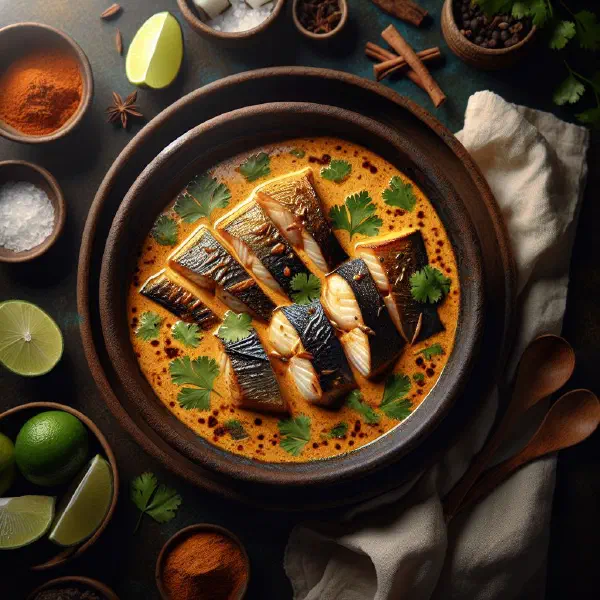
Meet Tama, the national dish of Palau and a true taste of the tropical Pacific. This warming one-pot combines freshly caught fish with earthy taro and creamy coconut milk, all brought to life by ginger, garlic and a whisper of chilli. It captures both the bounty of the reef and the fertility of the land, turning an everyday meal into a small island feast. Bring a piece of the Pacific straight to your own table.
About Tama
Tama sits at the very heart of Palauan cooking, celebrated for its distinctive blend of local ingredients and rich, layered flavours. More than simply the national dish, it is a proud marker of the archipelago’s cultural identity. The recipe unites the abundance of the tropical ocean with the produce of the islands: freshly caught fish is simmered together with taro, a root vegetable common across the Pacific, along with other fresh ingredients. The result is an authentic, deeply flavoursome dish that makes every mealtime feel like a celebration.
Ingredients (serves 1–2)
- 2 fresh fish fillets (preferably a reef-friendly fish)
- 1 taro root, peeled and diced
- 2 cups coconut milk
- 1 onion, chopped
- 2 cloves garlic, finely chopped
- 1 tablespoon fresh ginger, grated
- 1 bunch spring onions, sliced
- Sea salt and freshly ground pepper, to taste
- Chillies (optional, for extra heat)
Shopping for the ingredients
For an authentic Tama, use the freshest, best-quality ingredients you can find. Ideally the fish should have been caught on the day of purchase or the day before. When buying taro, choose a root that feels firm and shows no soft spots. Coconut milk is easy to track down in most Asian or international grocery shops, and a good fishmonger will point you towards a suitable sustainable fish.
Preparing the dish
Before you start cooking Tama, it pays to have everything prepped and within reach. Cut the taro into even cubes so it cooks through at the same rate. Rinse the fish fillets thoroughly and pat them dry. Chop all the vegetables and measure out your seasonings ahead of time, so the dish comes together smoothly once the pan is hot.
Step-by-step instructions
- Boil the taro for around 20 minutes until tender, then drain.
- Meanwhile, sweat the onion, garlic and ginger in a large pan with a little oil until the onion turns translucent.
- Pour in the coconut milk and bring to a gentle boil.
- Add the fish fillets and cook over medium heat until the fish is just cooked through.
- Stir in the taro and spring onions, season with sea salt and pepper, and mix well.
- If using, add the chillies now for extra heat.
- Let everything simmer for a few minutes so the flavours meld together.
Gluten-free / lactose-free version
Tama is naturally gluten-free and lactose-free, which makes it a wonderfully inclusive dish. The core ingredients, fish, taro and coconut milk, contain neither gluten nor dairy, so there is little to adjust. Simply double-check that any optional additions or seasonings you use are free from hidden gluten, and everyone at the table can enjoy this Pacific classic without a second thought.
Tips for vegans and vegetarians
To make a vegetarian or vegan version of Tama, swap the fish for firm tofu or a medley of hearty vegetables such as mushrooms and green beans. The creamy coconut base and fragrant ginger carry plenty of flavour on their own. For a similar plant-forward island feel, take inspiration from a Breadfruit Stew, where the coconut and root vegetables do all the heavy lifting.
More tips and tricks
To make the dish your own, experiment with the amount and type of chillies you add. For a non-traditional twist, you can also fold in other seafood such as prawns or mussels. A squeeze of lime just before serving brightens the coconut sauce beautifully, and a handful of fresh herbs adds a final lift of freshness.
Adapting the recipe to your taste
Tama is easy to tailor to personal preference. If you are not keen on fish, chicken breast makes a fine substitute. Should you struggle to find taro, sweet potatoes or Yukon Gold potatoes are a good stand-in. For a lighter version, use a reduced-fat coconut milk or replace part of it with vegetable stock, keeping the dish rich but a touch less heavy.
Ingredient substitutions
If certain ingredients are hard to source, there are plenty of alternatives. In place of fresh ginger, ground ginger works well. Just halve the quantity. When coconut milk is unavailable, single cream or a plant-based milk with a little coconut extract will do the job. These swaps are common across Palauan cooking, much as they are in a comforting Coconut Fish Curry.
Drink pairing ideas
A light white wine such as a Sauvignon Blanc pairs beautifully with Tama. For something non-alcoholic, serve a chilled glass of coconut water or a fresh papaya juice to echo the tropical flavours. A refreshing Soursop Juice also makes a lovely island-inspired accompaniment.
Serving and presentation ideas
Tama can be served in style in a large shell bowl or on a banana leaf to play up its tropical flair. Garnish with a sprig of fresh coriander and a slice of lime for a welcome splash of colour. A side of Roasted Taro rounds out the plate and doubles down on that earthy island character.
A bit of history
The dish of Tama mirrors the history and way of life of the people of Palau. Passed down from generation to generation, it is a testament to sustainable food gathering and a deep respect for the natural environment. Its ingredients represent the local resources of the islands and reflect the close bond between Palauan cuisine and both the sea and the land. To explore that heritage further, browse more of Palauan cuisine.
More recipe ideas
- Baked Reef Fish
- Reef Fish In Coconut Broth
- Fish Wrapped In Banana Leaves
- Steamed Taro With Coconut Sauce
- Fruit Bat Soup
Summary: Tama
Tama is a hearty, warming dish that perfectly captures the flavours of Palau. It offers a wealth of taste and, with a little creativity, adapts easily to suit your own preferences. Serve it at your next meal and bring a piece of the Pacific to your plate, a true celebration of island cooking that honours both the reef and the land.