National Dish Palau: Ube Halaya (Recipe)
In this article
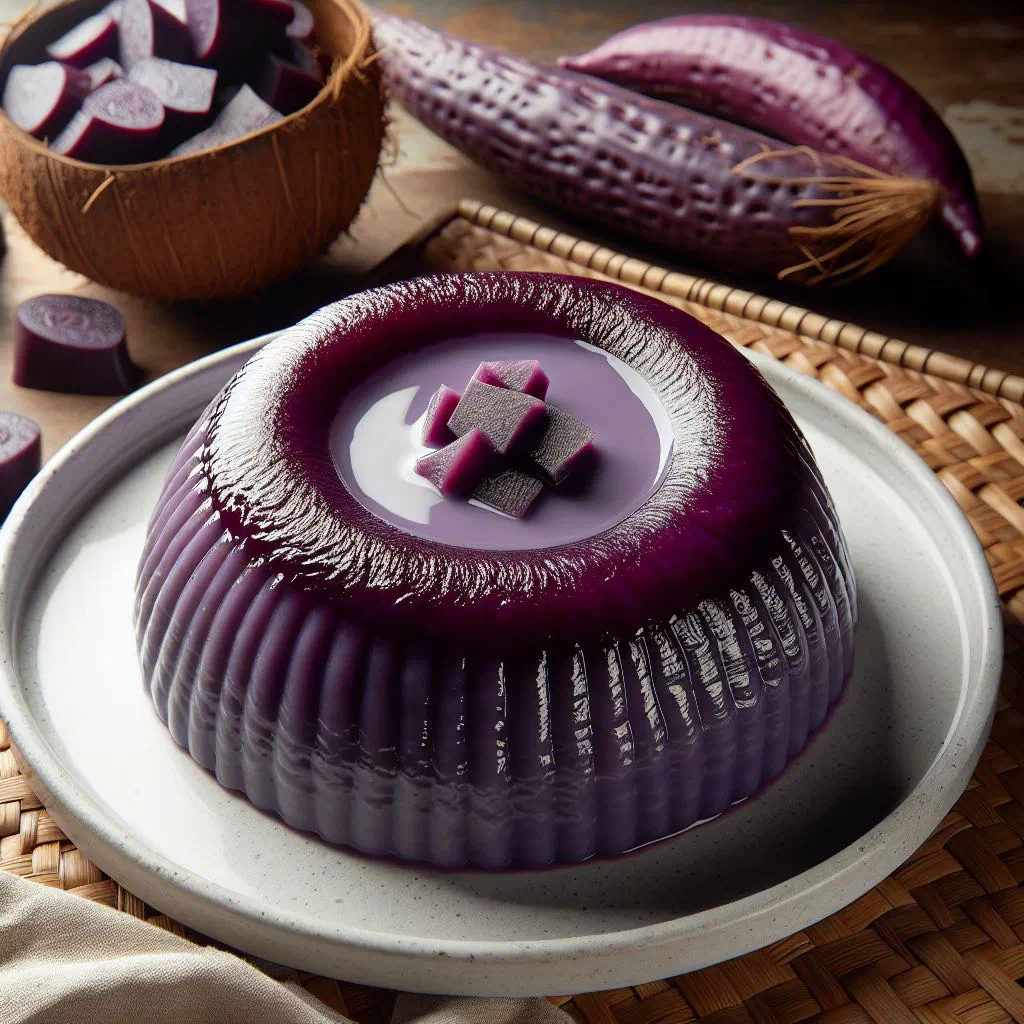
Meet Ube Halaya, a gloriously purple sweet treat that brings the tropical flavours of the islands straight to your table. Made from bright purple yam simmered with coconut milk, this creamy pudding is as much a feast for the eyes as it is for the palate. Served as a dessert after a meal or spooned into cakes and pastries as a filling, it is a joyful little indulgence. Bring a taste of Palau’s sweeter side into your own kitchen.
About Ube Halaya
Ube Halaya is a traditional Filipino sweet made from purple yam, known as ube. This luminously violet delicacy is a feast for the eyes and wins hearts with its distinctive flavour and its wonderfully creamy texture. It is often served as a dessert after a meal and can equally be used as a filling for all manner of baked goods. If you would like to explore the cuisine of Palau, this recipe is an absolute must.
Ingredients (serves 1–2)
- 400 g ube (purple yam)
- 200 ml coconut milk
- 100 g sugar
- 50 g butter
- 1 tsp vanilla extract
- 1 pinch of salt
Shopping for the ingredients
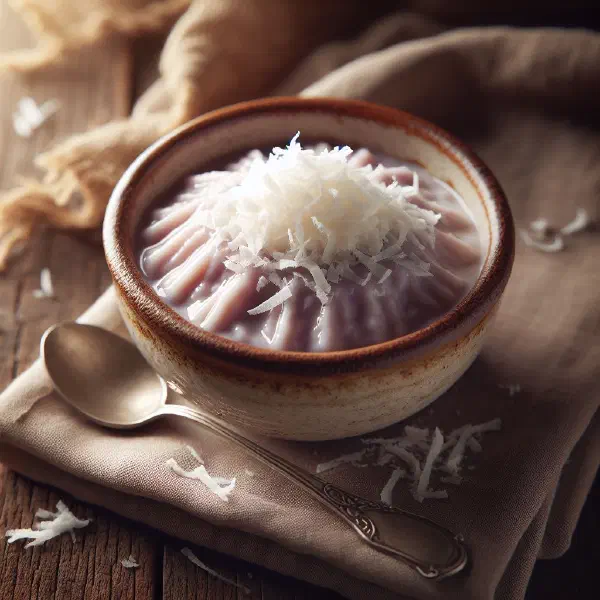
The key ingredients for ube halaya are ube, coconut milk and sugar. You will find ube in Asian grocery shops or sometimes in well-stocked supermarkets. Take care to choose fresh, good-quality ingredients to bring out the very best flavour. Coconut milk is easy to come by too, and it lends the dish a delicious note that pairs perfectly with the natural sweetness of the ube, much as it does in a comforting bowl of Coconut Taro Pudding.
Preparing the dish
To begin, peel the ube thoroughly and cut it into small pieces. Smaller pieces are easier to cook through and to purée. Boil the ube pieces in a pan of water until soft, which takes roughly 20–30 minutes. Once the ube is tender, let it cool before working it into a fine purée ready for the next stage.
Step-by-step instructions
- Boil the peeled and diced ube in a pan of water until soft.
- Drain the ube and tip it into a bowl, then mash to a purée with a fork or a blender.
- In a pan, combine the ube purée with the coconut milk, sugar, butter, vanilla extract and a pinch of salt.
- Cook the mixture over medium heat, stirring constantly, until it turns thick and creamy.
- Spoon the finished ube halaya into a mould or dish and leave to cool before serving.
Gluten-free / lactose-free version
Ube halaya is naturally gluten- and lactose-free, since the main ingredients are simply ube and coconut milk. You can rest assured that this dessert is suitable for anyone with food intolerances. Just remember to swap the butter for a plant-based fat or margarine if you prefer a vegan version. That way the dish stays accessible to every sweet-toothed guest.
Tips for vegans and vegetarians
For a vegan version of ube halaya, replace the butter with coconut oil or a plant-based margarine. It is worth choosing all your ingredients carefully to make sure they are vegan. You can also swap the sugar for a vegan sweetener such as agave syrup. This keeps the dessert delicious and suited to every dietary need.
More tips and tricks
To achieve the perfect consistency for ube halaya, constant stirring during cooking is essential. Avoid leaving the mixture on the heat for too long, as it can otherwise become too firm. For extra flavour you might scatter over roasted peanuts or coconut flakes when garnishing the dessert. This gives ube halaya an interesting texture and an added note of flavour, in the same spirit as the Chocolate Coconut Balls.
Adapting the recipe to your taste
The sweet backdrop of ube halaya can be adjusted to personal preference. If you like it less sweet, simply reduce the amount of sugar. You can also experiment by adding different flavours, such as cinnamon or nutmeg. Try combining ube halaya with other tasty additions too, such as fresh fruit or chocolate sauce, to create a whole new flavour direction.
Ingredient substitutions
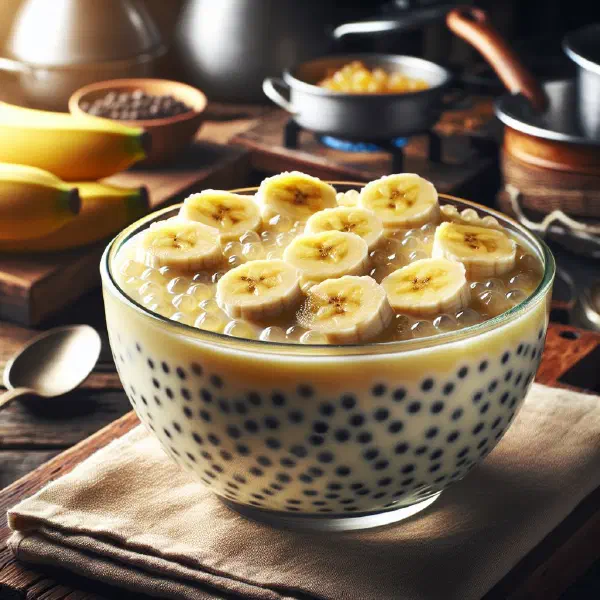
If you do not have coconut milk to hand, you can use almond milk or oat milk to give the dish a different but equally delicious note. Local varieties of yam can also stand in for ube, though this may affect the characteristic flavour. When it comes to sweeteners you might reach for agave syrup, honey or stevia to create new taste experiences. Be creative in putting together your own personal ube halaya recipe, much as you would with a bowl of Banana Tapioca.
Drink pairing ideas
To round off your ube halaya perfectly, a range of drinks pairs beautifully with it. Coconut water is a refreshing accompaniment that underlines the tropical note of the dessert. Alternatively you might serve a fresh fruit juice or a light tea for a harmonious flavour experience, a chilled Mango Coconut Smoothie works a treat here too.
Serving and presentation ideas
An appealing presentation lifts the whole experience considerably. Serve ube halaya in small glasses or pretty bowls, and garnish it with fresh fruit, chopped nuts or a drizzle of chocolate sauce. For an extra visual touch, edible flowers can be used to give a lovely finish. Take care to keep the colours and textures in harmony.
A bit of history
Ube halaya is a delicious dessert and part of Filipino culture and tradition. The use of ube as an ingredient has a long history in the Philippines, and the dish is often served at celebrations and special occasions. Ube halaya reflects the diversity of Filipino cuisine, which has absorbed influences from many different cultures. This dessert is an expression of the culinary identity and heritage of the islands, renowned for their unique flavours.
More recipe ideas
Summary: Ube Halaya
In short, ube halaya is a tasty and versatile dessert that reflects the fascinating culture of Palau. With its unique purple colour and creamy flavour, it is a highlight on any menu. Ube halaya is sure to be a sweet pleasure. Let its varied preparation and endless possibilities inspire you, and bring this flavourful experience into your own kitchen.