National Dish Palestine: Za'atar Manaqish (Recipe)
In this article
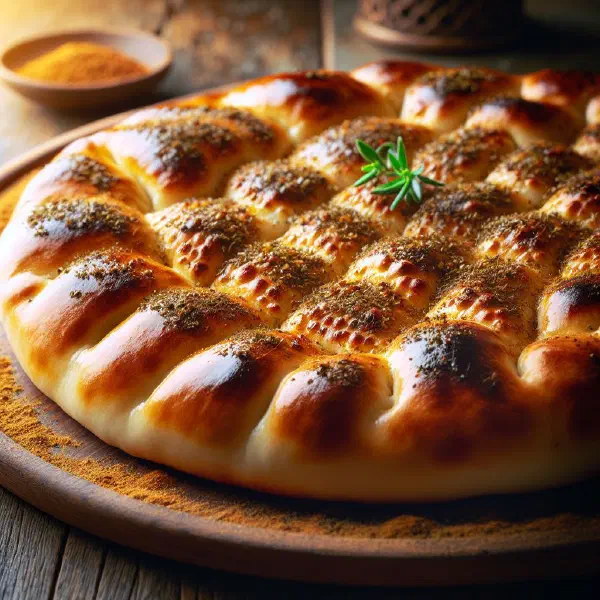
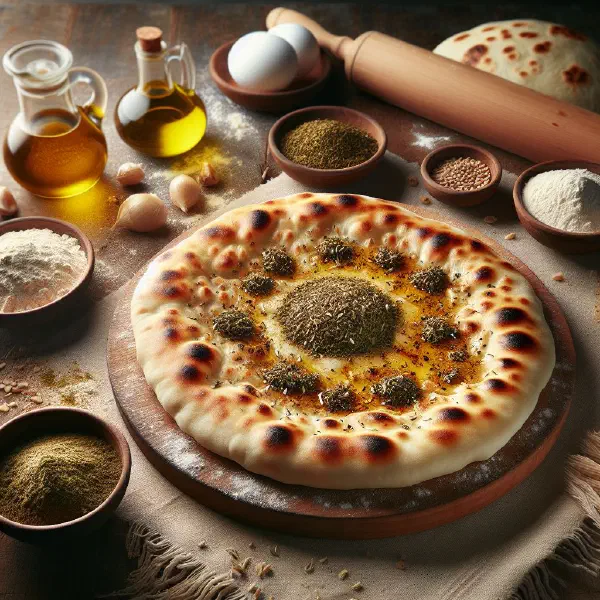
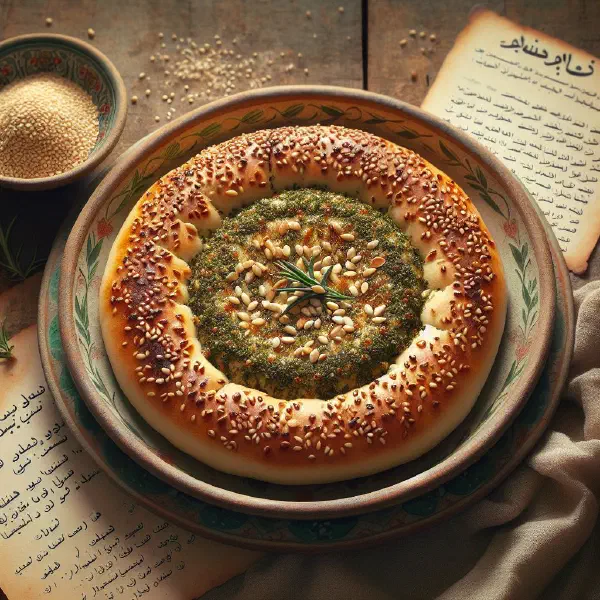
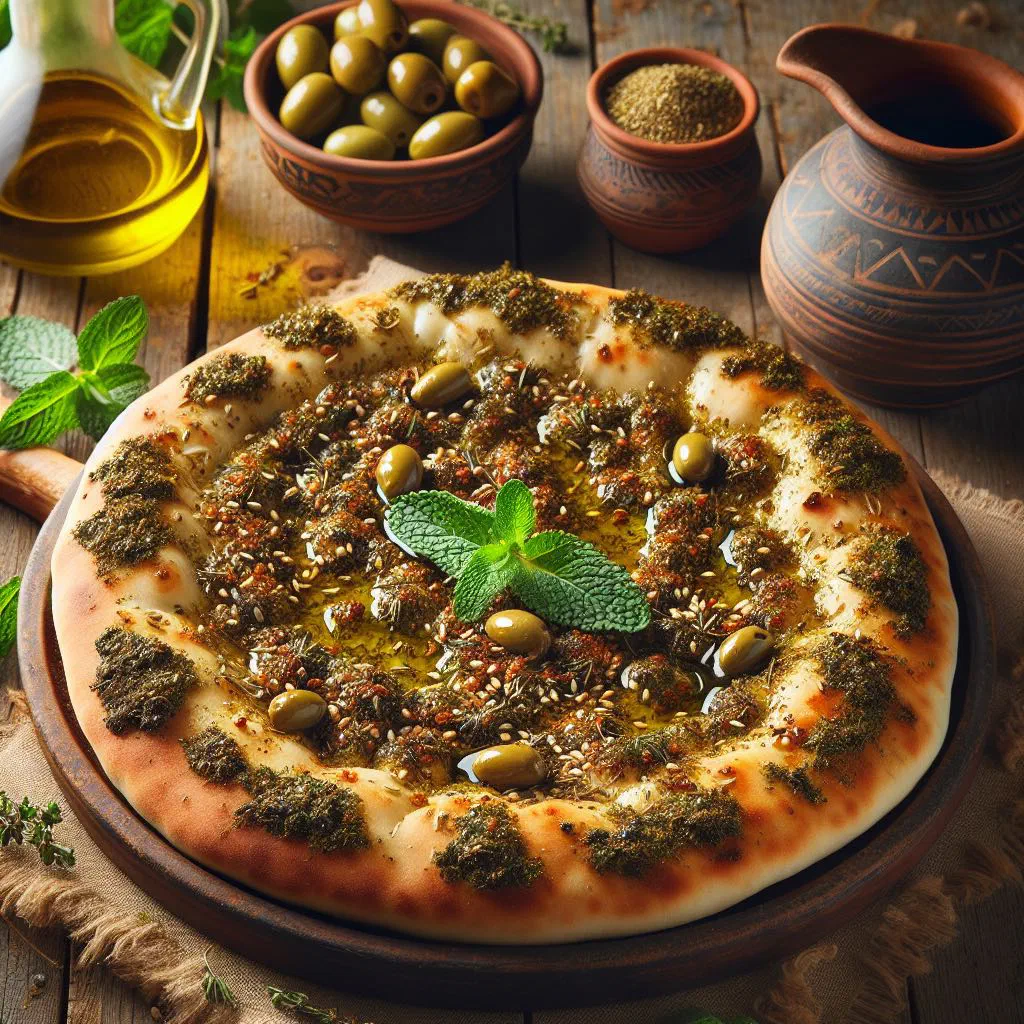
Meet Za’atar Manaqish, one of Palestine’s most beloved everyday breads. Thin rounds of freshly baked dough are brushed with a fragrant blend of wild thyme, sesame and sumac bound in golden olive oil, then baked until the edges turn crisp and golden. A wholesome snack or a light lunch, this simple flatbread delivers the unmistakable aromas of the Levant straight to your kitchen table.
About Za’atar Manaqish
Za’atar Manaqish is a traditional Palestinian dish that is as versatile as it is delicious. It consists of a thin flatbread spread with a spiced mixture of za’atar, an aromatic blend of herbs and spices that gives the bread its signature flavour. It makes an excellent choice for a quick breakfast, a healthy snack or even a light main meal. The combination of freshly baked dough and the intense, tangy notes of za’atar makes it a real taste sensation that is not to be missed.
Ingredients (serves 1–2)
- 250 g plain flour
- 1 teaspoon dried yeast
- 1 teaspoon sugar
- 1 teaspoon salt
- 150 ml warm water
- 3 tablespoons olive oil
- 4 tablespoons za’atar
- Water, for loosening the za’atar mixture
Shopping for the ingredients
The ingredients for za’atar manaqish are easy to find in most supermarkets or Middle Eastern grocery shops. Pay particular attention to the za’atar itself, as the exact blend can vary from region to region. Be sure to choose a good-quality olive oil, since this has a considerable influence on the flavour of the finished bread. Fresh flour and a reliable dried yeast are equally important for a perfect dough.
Preparing the dish
To make za’atar manaqish you need to do a little groundwork first. Start by gathering all your ingredients in one place. Measure out the flour, yeast and salt and combine them in a large bowl. It is also important to warm the water to the right temperature so the yeast activates properly. Prepare a small bowl as well, for mixing the za’atar with water and olive oil into a spreadable paste.
Step-by-step instructions
- In a large bowl, combine the flour with the dried yeast, sugar and salt.
- Slowly add the warm water and knead everything well with a spoon or your hands.
- Add the olive oil and continue kneading until you have a smooth, supple dough.
- Cover the dough and leave it to rise in a warm place for about 1 hour, until doubled in size.
- Roll the dough out on a floured surface and cut it into small circles.
- In a small bowl, mix the za’atar with a little water and olive oil.
- Spread the za’atar mixture evenly over the rolled-out dough circles.
- Bake the flatbreads in a preheated oven at 200°C for about 10–12 minutes, until golden brown.
Gluten-free / lactose-free version
For a gluten-free version of za’atar manaqish you can use gluten-free flour in place of wheat flour. Take care that the other ingredients are gluten-free too. This dish is naturally lactose-free, and sticking with a good plant-based olive oil keeps it light and easy to digest. These simple adjustments mean everyone can enjoy the flavours of the Middle East, whatever their dietary needs.
Tips for vegans and vegetarians
Za’atar manaqish is naturally vegan, which makes it an ideal choice for anyone following a plant-based diet. Just make sure every ingredient you use is free of animal products and that the za’atar blend contains no hidden additives. The pairing of fresh dough and aromatic spices makes for a nourishing and tasty snack or main meal. Vary the toppings to bring in even more plant-based options, such as a scattering of fresh vegetables.
More tips and tricks
One important tip for the best results with za’atar manaqish is to use good-quality ingredients. Fresh herbs and spices have a great influence on the flavour of the finished bread. Baking on a hot pizza stone in the oven can also give the flatbreads extra crispness. Experiment with different spices in your za’atar blend to create unique flavours that suit your personal taste.
Adapting the recipe to your taste
The recipe for za’atar manaqish is highly adaptable, so you can adjust it however you like. Add extra toppings such as hummus, feta cheese or fresh tomatoes to make the dish more substantial. A handful of crisp vegetables or olives can also lend an interesting note. This flatbread lends itself brilliantly to creative variations, and the possibilities are almost endless, much like the many toppings that grace a warming plate of Musakhan.
Ingredient substitutions
If you do not have any yeast, you can use baking powder instead to achieve a similar effect, though the texture will be a little different. When it comes to the oil, you can swap olive oil for coconut oil, which gives the bread a distinctive flavour of its own. For a spicier kick, adjust the za’atar mixture with a little chilli powder or a pinch of paprika. These alternatives let you make the recipe even more your own.
Drink pairing ideas
Za’atar manaqish pairs beautifully with a wide range of drinks. A classic choice is Arabic tea or mint tea, both of which complement the flavours of the bread perfectly. For something more refreshing, serve an iced lemonade or an elderflower cordial.
Serving and presentation ideas
An appealing presentation can lift the whole za’atar manaqish experience. Serve the flatbreads on a large, flat platter and garnish with fresh herbs such as parsley or coriander. Small bowls of dip, like hummus or yoghurt, should not be missing either. This colourful variety creates an inviting atmosphere and turns the meal into something special, a spread that sits happily alongside a hearty Maqluba or a comforting pot of Qidra.
A bit of history
Za’atar manaqish has a long tradition in the Middle East and is enjoyed across many cultures. The dish has its origins in Palestinian and Arab cultures, where it is often eaten as a breakfast or snack. Za’atar itself is an ancient term for a blend of herbs and spices that has been prized in the region for centuries. This cultural depth helps to make the dish a treasured part of the history and gastronomy of Palestinian cuisine.
More recipe ideas
Summary: Za’atar Manaqish
Za’atar manaqish is more than just a simple bread; it is a culinary tradition that captures the flavours of the Middle East. From its easy preparation to its adaptable toppings, this dish offers a wealth of possibilities to suit every taste. A breakfast or a light meal, za’atar manaqish is a wonderful example of the variety of Palestinian cooking. Give it a try and let its delicious aromas win you over.