National Dish Panama: Queso Blanco (Recipe)
In this article
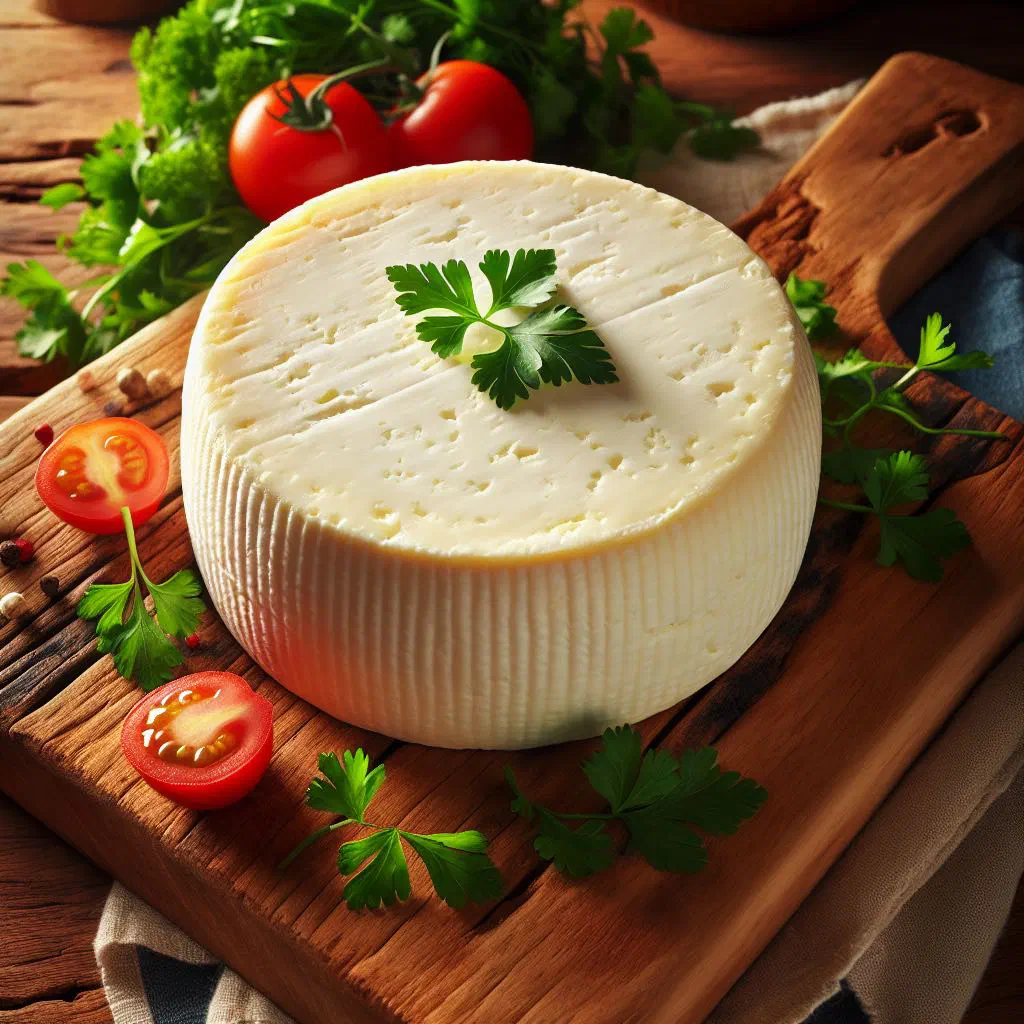
Meet Queso Blanco, the soft, mild white cheese that sits at the heart of Panamanian home cooking. Made from little more than fresh milk and a splash of something acidic, it has a gentle, creamy flavour and a wonderfully versatile character. Whether crumbled over a warm dish, melted into a sauce or simply enjoyed as a snack, this fresh cheese captures the easy, unfussy spirit of the country’s kitchens. Best of all, you can make it from scratch at home in well under an hour.
About Queso Blanco
Queso Blanco is a much-loved cheese from Panama, prized for its creamy texture and mild, delicate flavour. It is often served as a snack or as part of a larger main meal. Made from fresh milk, it has a high nutritional value, which makes it a wholesome choice. Thanks to its versatility, Queso Blanco is superb for melting and for enriching all manner of dishes, from breakfast plates to hearty family suppers.
Ingredients (serves 1–2)
- 500 ml fresh milk
- 1 tsp salt
- 2 tbsp lemon juice or vinegar
- Optional: spices of your choice
Shopping for the ingredients
For the best Queso Blanco, it is worth buying fresh ingredients. Take care to choose high-quality milk, as it makes all the difference to the final flavour. Salt and vinegar are easy to find, but should be used in the right amounts to keep the balance of the flavours just so. Visit a local market or grocery shop to gather everything you need, the shopping list is short and refreshingly simple.
Preparing the dish
Before you start making Queso Blanco, it is important to weigh out and prepare all of your ingredients. Measure the milk and the salt precisely, and have the lemon juice or vinegar ready to hand. Remember to give the kitchen a thorough clean beforehand to guarantee a hygienic preparation. This ensures your cheese not only tastes good but is wholesome and safe to eat as well.
Step-by-step instructions
- Pour the milk into a pan and heat it gently over a medium heat.
- Add the salt and stir well until it has fully dissolved.
- As soon as the milk begins to boil, add the lemon juice or vinegar and stir straight away.
- Turn off the heat and let the mixture stand for around 10 minutes.
- Pour the mixture into a sieve lined with a damp cloth and leave it to drain.
- Press the cheese to squeeze out any excess liquid, then let it cool for at least 30 minutes.
Gluten-free / lactose-free version
Queso Blanco is naturally gluten-free, as none of its ingredients contain any gluten. For anyone sensitive to lactose, a lactose-free milk can be used instead, delivering the same creamy flavour and desired consistency. Simply take care that any other ingredients are lactose-free too.
Tips for vegans and vegetarians
Queso Blanco is naturally vegetarian, but for vegans it presents more of a challenge, since the recipe is built around milk. One possible adaptation is to use a plant-based milk such as almond, soy or oat milk, combined with a plant-based coagulant. It is worth keeping the character of the chosen plant milk in mind, as the flavour of the cheese can vary. In this way, vegans too can enjoy a creamy, cheese-like element in their dishes.
More tips and tricks
To make sure your Queso Blanco has the perfect texture, avoid heating the milk too fiercely, as this can spoil the end result. Experiment with different spices to season the cheese to your taste. It is also a good idea to store the cheese in a suitable container in the fridge so it stays fresh. With these simple pointers you can produce the very best Queso Blanco every time.
Adapting the recipe to your taste
Every cook has their own preferences, and Queso Blanco is effortless to personalise. Add herbs such as basil or oregano to create a distinctive flavour. A scattering of chilli flakes or other hot spices can also lend an interesting kick, much like the fiery notes of a good Aji Chombo. These little tweaks make the dish tastier and give it a personal touch.
Ingredient substitutions
If you do not have fresh milk to hand, you can also use plant-based alternatives or long-life milk. Likewise, instead of lemon juice you might reach for white wine vinegar to curdle the cheese. Just make sure the substitutes you choose are a good match in terms of flavour, so as not to lose the characteristic taste of Queso Blanco. This keeps the dish just as delicious as ever, ready to sit alongside crisp Patacones.
Drink pairing ideas
Queso Blanco goes wonderfully with a whole range of drinks, both alcoholic and non-alcoholic. Among the best options are fruity cocktails or a refreshing malta (malt beverage). For a more traditional experience, a glass of coconut milk or a fresh fruit juice such as a Guava Juice works beautifully.
Serving and presentation ideas
Presentation can be decisive for the whole Queso Blanco experience. Serve the cheese in an attractive dish, garnished with fresh herbs or a berry compote. Pair it with crackers or bread to achieve an appealing, inviting spread, or fold it into warm Arepas Con Queso for something more substantial. This offers your guests a splendid taste experience and a springboard for new ideas when it comes to serving cheese.
A bit of history
Queso Blanco has its roots in traditional Central American cooking and is an essential element in many Panamanian households. Its simple preparation and mild flavour make it a popular cheese for all kinds of dishes, from breakfast through to snacks. Historically, this cheese is also known for its role at festive occasions. The popularity of Queso Blanco reflects the culinary variety and tradition of Panamanian cuisine.
More recipe ideas
Summary: Queso Blanco
Queso Blanco is a tasty and versatile dish from Panama that wins hearts with its simple preparation and countless uses. With a host of ways to adapt it and plenty of alternatives, it suits a wide range of diets, whether you are lactose-intolerant, vegan or vegetarian. This cheese is a delicious addition to many dishes and a piece of Panama’s cultural history. Give it a try for yourself and let this culinary experience win you over.