National Dish Panama: Ropa Vieja (Recipe)
In this article
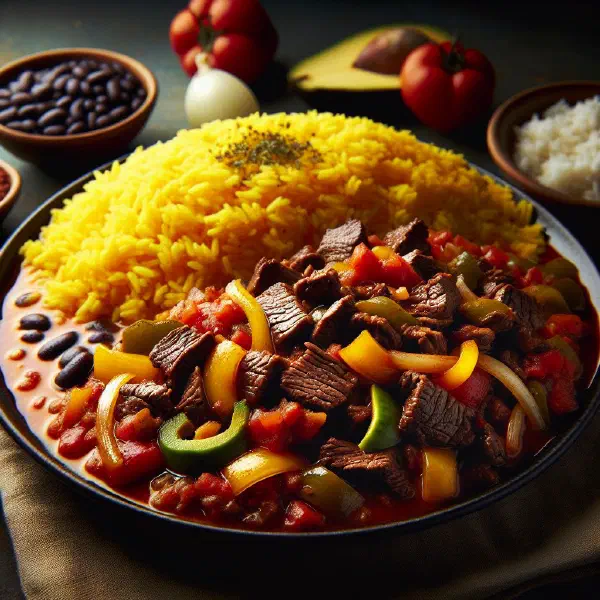
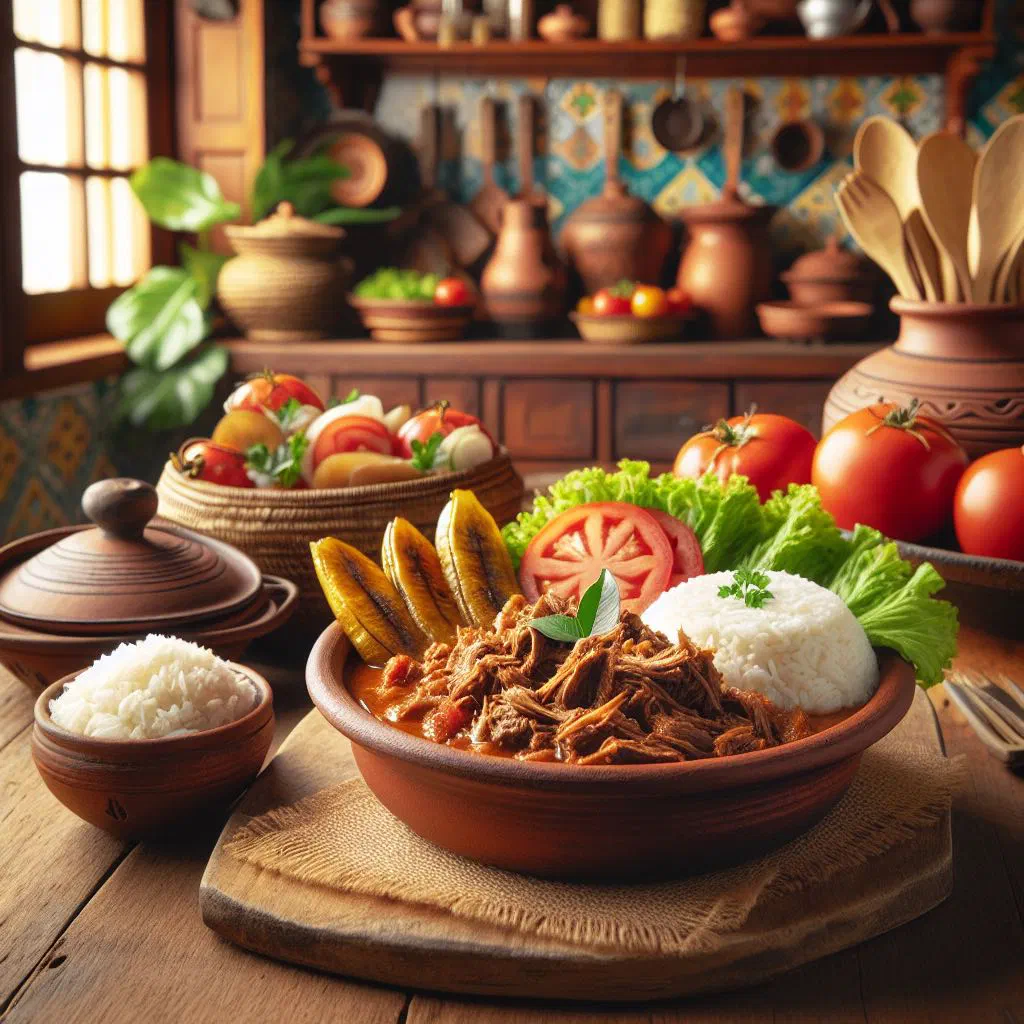
Meet Ropa Vieja, a soul-warming Panamanian classic of tender beef slowly braised until it falls into silky shreds. Simmered with sweet peppers, ripe tomatoes and warm cumin, then finished with a flourish of fresh coriander, it is comfort food at its most generous. Traditionally served with rice and beans, this hearty dish captures the easygoing joy of Panamanian home cooking and turns any meal into a small celebration.
About Ropa Vieja
Ropa Vieja translates as “old clothes”, a playful nod to the tender, shredded texture of the braised beef as it drifts through its rich sauce. The dish traces its origins back to Spain but was reinvented over the centuries within Latin American cuisine. In Panama it is usually served with rice and beans, making it a complete and deeply satisfying meal. The interplay of gentle spices and fresh ingredients makes ropa vieja a genuine flavour experience that is well worth seeking out.
Ingredients (serves 1–2)
- 300 g beef (such as shoulder or flank)
- 1 onion, diced
- 1 pepper, diced
- 2 tomatoes, diced
- 2 cloves garlic, chopped
- 1 tsp cumin
- 1 cup beef stock
- Salt and pepper to taste
- Fresh coriander, to garnish
Shopping for the ingredients
When preparing to make ropa vieja, it is important to choose fresh, good-quality ingredients. Visit your local market or supermarket and look for beef of a high standard so that it stays tender through the long braise. For the vegetables, seek out fresh, crisp examples, as these have a real influence on the flavour of the finished dish. Do not forget the fresh coriander, which lends the dish an extra aromatic lift.
Preparing the dish
To make cooking ropa vieja easier, prepare all of your ingredients in advance. Begin by chopping the vegetables and mincing the garlic. This keeps the cooking process running smoothly and allows all the aromas to come together at once. Take care to cut the beef into even pieces so that it cooks uniformly. Good preparation is the key to a truly delicious end result.
Step-by-step instructions
- Bring the beef to the boil in a large pot with plenty of water and simmer over low heat for 1–2 hours, until tender.
- Remove the cooked beef and drain it well, then pull it into thin shreds.
- In the same pan, sauté the onion, pepper and garlic until softened.
- Add the diced tomatoes and let everything simmer for a few minutes.
- Return the shredded beef to the pot and add the beef stock along with the cumin.
- Stir everything together well and simmer for a further 15–20 minutes so the flavours can develop.
- Season with salt and pepper, and garnish with freshly chopped coriander just before serving.
Gluten-free / lactose-free version
One of the great advantages of ropa vieja is that it is naturally gluten-free and lactose-free, as long as you make sure the stock contains no hidden ingredients. Simply use a gluten-free beef stock and the dish remains suitable for anyone with the relevant intolerances. It also needs no dairy at all, which makes ropa vieja an excellent choice for a wide range of diets. That way, even those with particular dietary needs can enjoy the dish.
Tips for vegans and vegetarians
If you would like to prepare ropa vieja in a vegan or vegetarian version, there are plenty of alternatives. In place of beef you can use jackfruit or soya, both of which have a similar texture. These ingredients soak up the aromas of the spices well and are therefore an excellent option. You can also swap the beef stock for a vegetable stock to make the dish completely plant-based. In this way vegans and vegetarians, too, can enjoy the flavour and tradition of ropa vieja.
More tips and tricks
To give your ropa vieja even more flavour, you can add various spices such as paprika or oregano. Experimenting with different vegetables, such as carrots or celery, can also introduce an interesting note. Feel free to let the dish simmer a little longer. This makes the aromas more intense and the meat more tender. Serve it hot to enjoy the fullest possible flavour and experience.
Adapting the recipe to your taste
A fundamental advantage of ropa vieja is its flexibility in preparation. You can tailor it to the personal preferences of your diners by varying, for example, the amount of spice or the type of vegetables used. Some prefer a slightly hotter note, for which you might add chilli or hot sauce. The accompaniments can vary too, so that ropa vieja can equally be served with mashed potato or tortillas to suit different tastes.
Ingredient substitutions
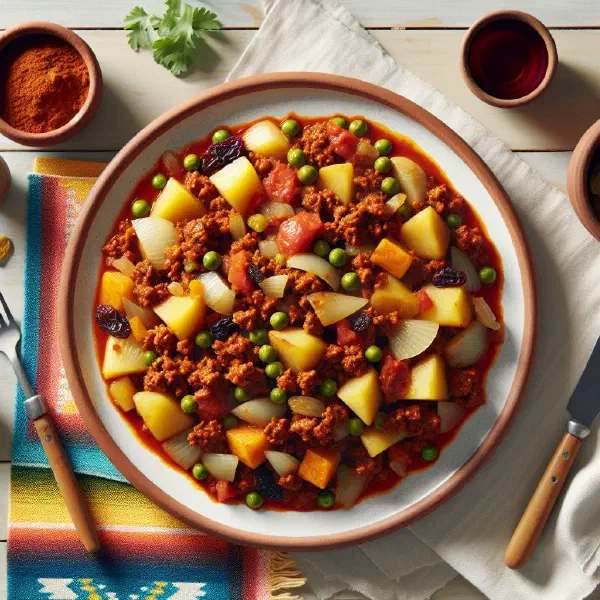
If you are looking for alternatives to certain ingredients, the possibilities are plentiful. Instead of beef stock you can use vegetable stock to make the dish lighter. The vegetables, too, can be adapted to the season and to what is available. For a sweeter note you might add fresh or dried fruit such as raisins or apricots, which lends the dish an interesting twist, much like the sweet-savoury balance found in Picadillo De Carne. Experiment with different combinations and find your own favourite version.
Drink pairing ideas
Choosing the right drink can greatly enrich the meal. Ropa vieja pairs especially well with a good wine or a refreshing craft beer that complements the flavours of the dish. Fresh juices, particularly pomegranate or pineapple, are also a wonderful addition. Try a chilled Guava Juice for a local touch. You might even experiment with mocktails made using fresh herbs or spices; they suit the lively flavour of this dish perfectly.
Serving and presentation ideas
The presentation of your ropa vieja can add greatly to the enjoyment. Serve the dish on a handsome plate, garnished with fresh herbs and a few slices of avocado for a colourful accent. A neatly portioned arrangement on the plate offers further visual appeal. Imaginative presentations, for example wrapped in a tortilla or piled into an attractive bowl, give the dish a special charm and make it tasty and lovely to look at. A side of Patacones rounds out the plate beautifully.
A bit of history
The roots of ropa vieja reach back to Spanish cooking and travelled into Latin American cuisine through colonisation. In different countries the dish has taken on its own variations and can be adapted with ease from place to place. While it is particularly popular in Panama, similar recipes are also found in Cuba and other Latin American countries. The combination of meat and vegetables is treasured across many cultures and reflects an universal love of hearty, nourishing meals, a hallmark of Panamanian cuisine.
More recipe ideas
Summary: Ropa Vieja
Ropa vieja is a symbol of Panamanian culture. The combination of tender beef, aromatic spices and fresh vegetables makes it an exquisite choice for any feast. Ropa vieja will always be a treat. Let the easygoing joy of Panama inspire you and give this wonderfully versatile dish a try.