National Dish Papua New Guinea: Beef Stew (Recipe)
In this article
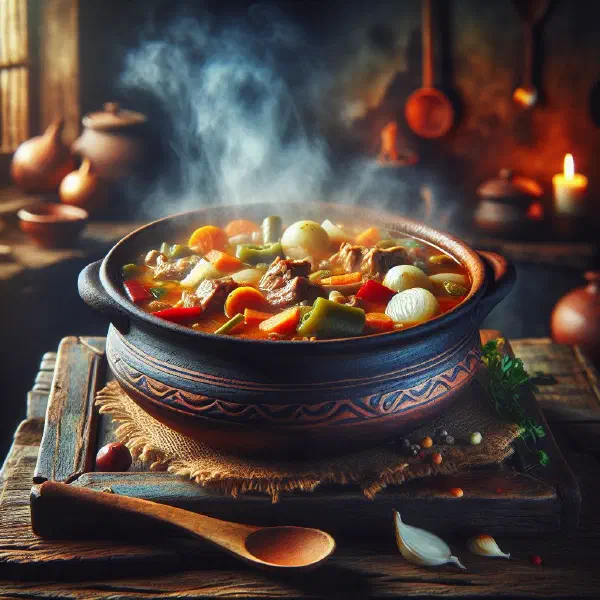
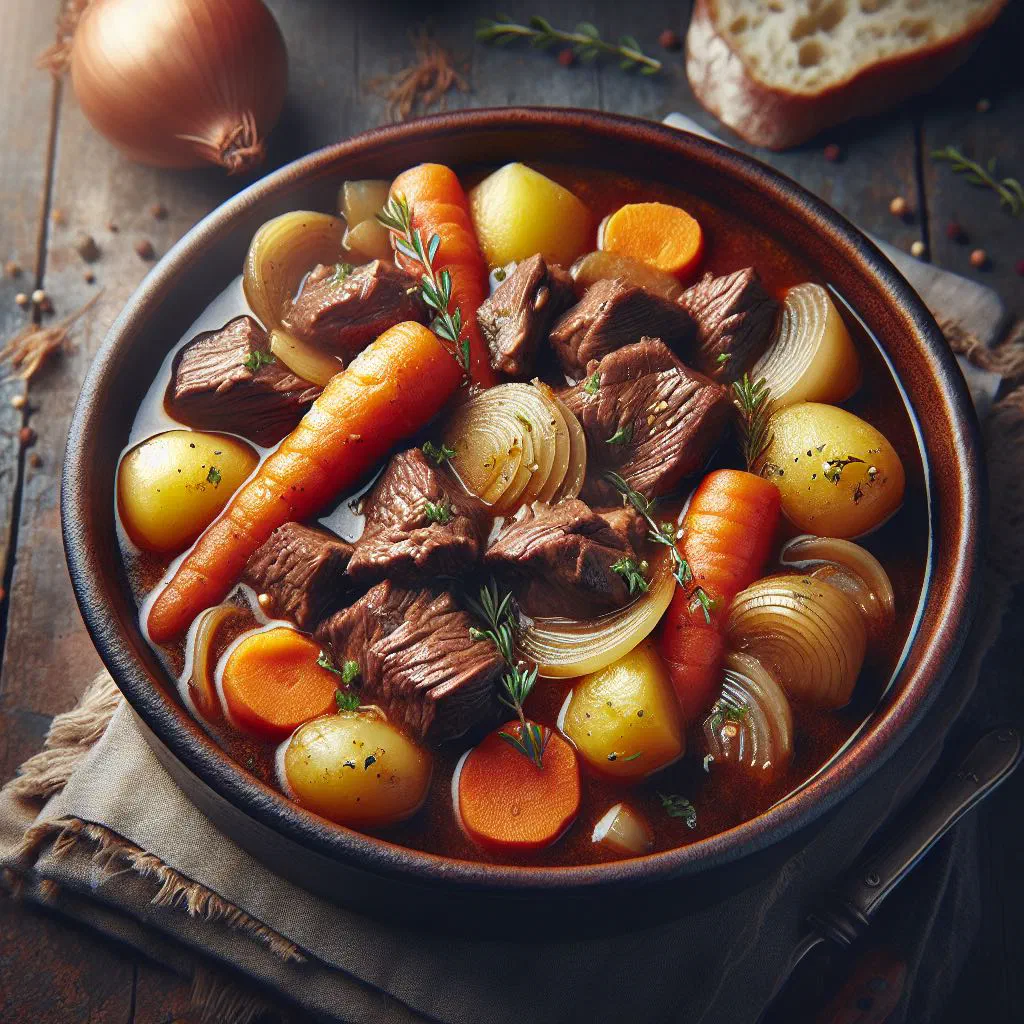
Meet Beef Stew, the slow-simmered classic that has become a fixture on tables across Papua New Guinea. Tender chunks of beef, garden vegetables and a fragrant broth come together in one pot, filling the kitchen with an aroma that pulls everyone in long before the lid comes off. It is generous, forgiving food, the kind that rewards patience and tastes even better the day after. Bring a little of the Pacific highlands to your own stove.
About Beef Stew
The traditional Beef Stew of Papua New Guinea is a hearty, deeply satisfying dish with roots that run right through the country’s everyday cooking. Its appeal lies in the interplay of beef, fresh seasonal vegetables and simple, well-judged seasoning. Slow cooking coaxes the meat into melting tenderness while the broth takes on the sweetness of onion, carrot and potato. Families turn to it for weeknight suppers and festive gatherings alike, because it is nourishing and full of flavour in equal measure.
Ingredients (serves 1–2)
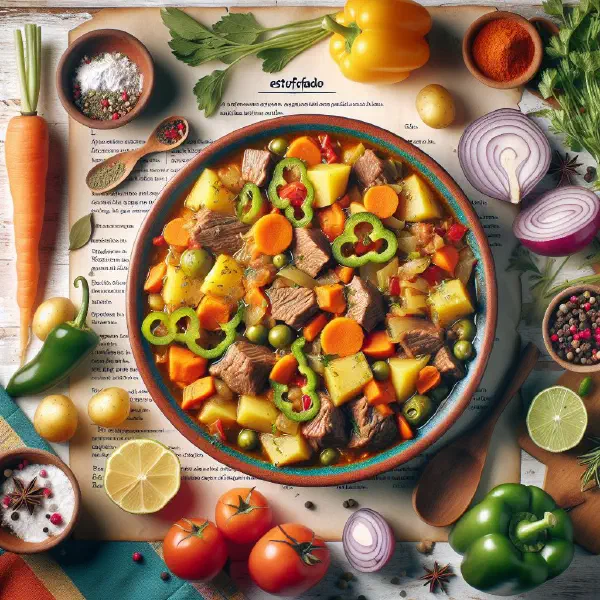
- 500 g beef (shoulder or shin, diced)
- 2–3 potatoes, diced
- 2 carrots, sliced
- 1 onion, chopped
- 2 cloves garlic, chopped
- 1 litre beef stock
- 2–3 tablespoons vegetable oil
- Salt and pepper to taste
- Fresh herbs (parsley or thyme)
Shopping for the ingredients
Everything you need for beef stew is easy to come by, whether at a supermarket or a weekly market. Pay particular attention to the quality of the beef, since it more than anything determines how the finished dish tastes, a well-marbled braising cut will always beat a lean one here. Fresh vegetables and aromatic herbs add both flavour and nutrition to the pot. Buying a few local, seasonal items is the surest way to keep the authentic character of Papua New Guinea in the dish.
Preparing the dish
Before you start cooking, wash and prepare all the ingredients so nothing holds you up later. Begin by cutting the beef into evenly sized cubes, which is the simplest way to make sure it cooks through at the same rate. Peel and chop the vegetables into pieces of a similar size to keep the cooking time predictable. Chop the onions and garlic finely so they release their aroma into the oil from the very first minute.
Step-by-step instructions
- Heat the vegetable oil in a large pot over medium heat.
- Brown the beef on all sides until it has taken on a good colour.
- Add the onions and garlic and cook until softened.
- Tip in the potatoes and carrots and stir everything together well.
- Pour in the beef stock and bring the pot to the boil.
- Reduce the heat and let the stew simmer for 1–2 hours, until the beef is tender.
- Season to taste with salt, pepper and fresh herbs.
Gluten-free / lactose-free version
Beef stew is naturally suited to a gluten-free and lactose-free kitchen. Simply use a certified gluten-free beef stock and the dish is ready for anyone avoiding wheat. The core ingredients, beef, vegetables and herbs, contain neither gluten nor lactose to begin with. Just check ready-made stocks and seasoning mixes for hidden thickeners or milk powder to be completely sure.
Tips for vegans and vegetarians
For vegans and vegetarians there is a delicious plant-based route to the same comforting bowl. Swap the beef for seitan, tofu or lentils, all of which bring plenty of protein and stand up well to long cooking. Use a good vegetable stock in place of the beef stock and vary the vegetables according to the season, much as you would in a Yam Stew. The result is every bit as hearty and filling as the original.
More tips and tricks
A few extra spices go a long way in beef stew. A pinch of paprika or cumin adds an interesting warmth without pulling the dish away from its roots. The stew can also be made the day before and kept in the fridge, which gives the flavours time to deepen and settle. Reheat it gently before serving so the heat is even and the texture stays just right.
Adapting the recipe to your taste
The ingredient list is a starting point rather than a rule. Feel free to add celery, peas or peppers to make the pot more colourful and interesting. Different meats work too, game or pork give the recipe a fresh dimension, while chicken makes for something lighter, along the lines of a Chicken Curry. Cooked this way, the stew can taste a little different every time you make it.
Ingredient substitutions
If something is missing from the cupboard, there is nearly always a workable alternative. No beef stock to hand? A good vegetable stock does the job and is just as flavourful. Frozen vegetables save preparation time without any real loss of taste, and root vegetables such as sweet potato or Kau Kau can stand in for ordinary potatoes. Adjustments like these keep the cooking flexible and stress-free.
Drink pairing ideas
A robust beef stew sits happily alongside a number of drinks. A full-bodied red wine such as Cabernet Sauvignon or Merlot matches the richness of the meat particularly well. For something alcohol-free, an unsweetened iced tea or a homemade lemonade with lemon and mint keeps the palate fresh between mouthfuls. A cold Ginger Beer is another local favourite that rounds off the meal nicely.
Serving and presentation ideas
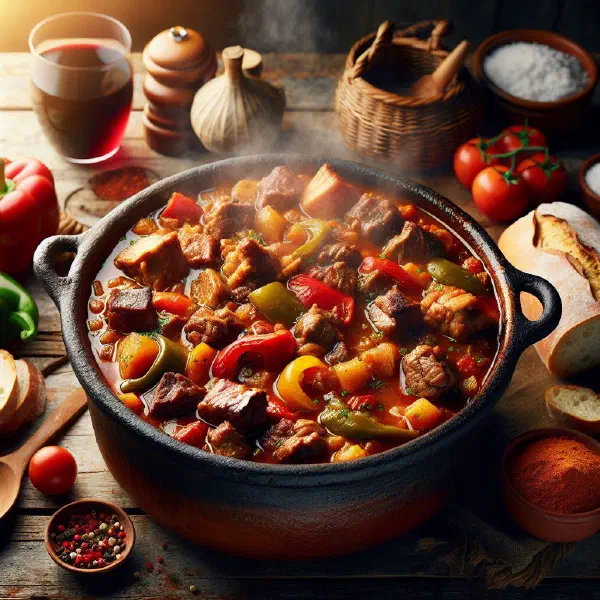
Presentation lifts the whole experience. Serve the stew in deep plates or bowls and garnish it generously with fresh parsley or thyme. A crusty baguette or fresh bread on the side means nobody has to leave the sauce behind. Keep an eye on the colours in the bowl, the orange of the carrots against the dark broth makes for an inviting picture.
A bit of history
Beef stew has a long and well-established tradition in Papua New Guinea. It grew out of the practicalities of local farming and hunting, and it still reflects a preference for fresh, regional ingredients cooked simply. The dish carries a strong sense of community, and it is often served at family gatherings and celebrations. With so many ethnic groups across the country, countless variations exist, each region lending the recipe its own particular character within Papua New Guinean cuisine.
More recipe ideas
Summary: Beef Stew
Beef stew from Papua New Guinea is a tasty, nourishing dish that brings together cultural tradition and culinary variety in a single pot. With straightforward, fresh ingredients and an uncomplicated method, it suits just about any occasion. Its adaptability makes it a perfect recipe for home cooks who like to experiment and cook by instinct. Enjoy the flavours, and the sociable atmosphere that always seems to gather around a pot of stew.