National Dish Papua New Guinea: Kau Kau (Recipe)
In this article
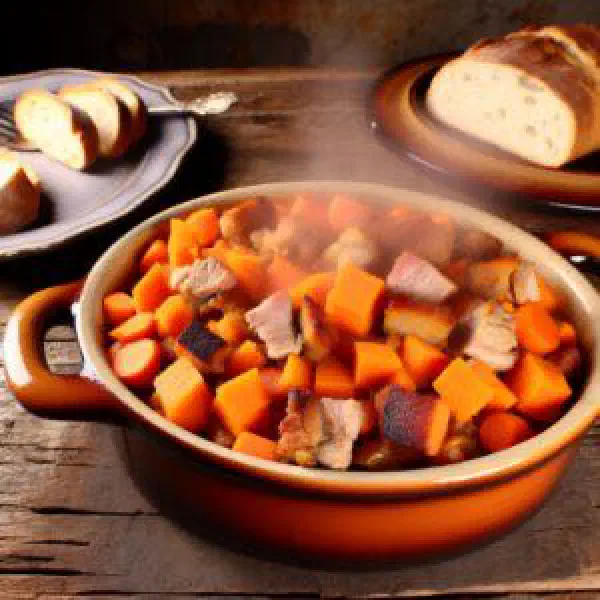
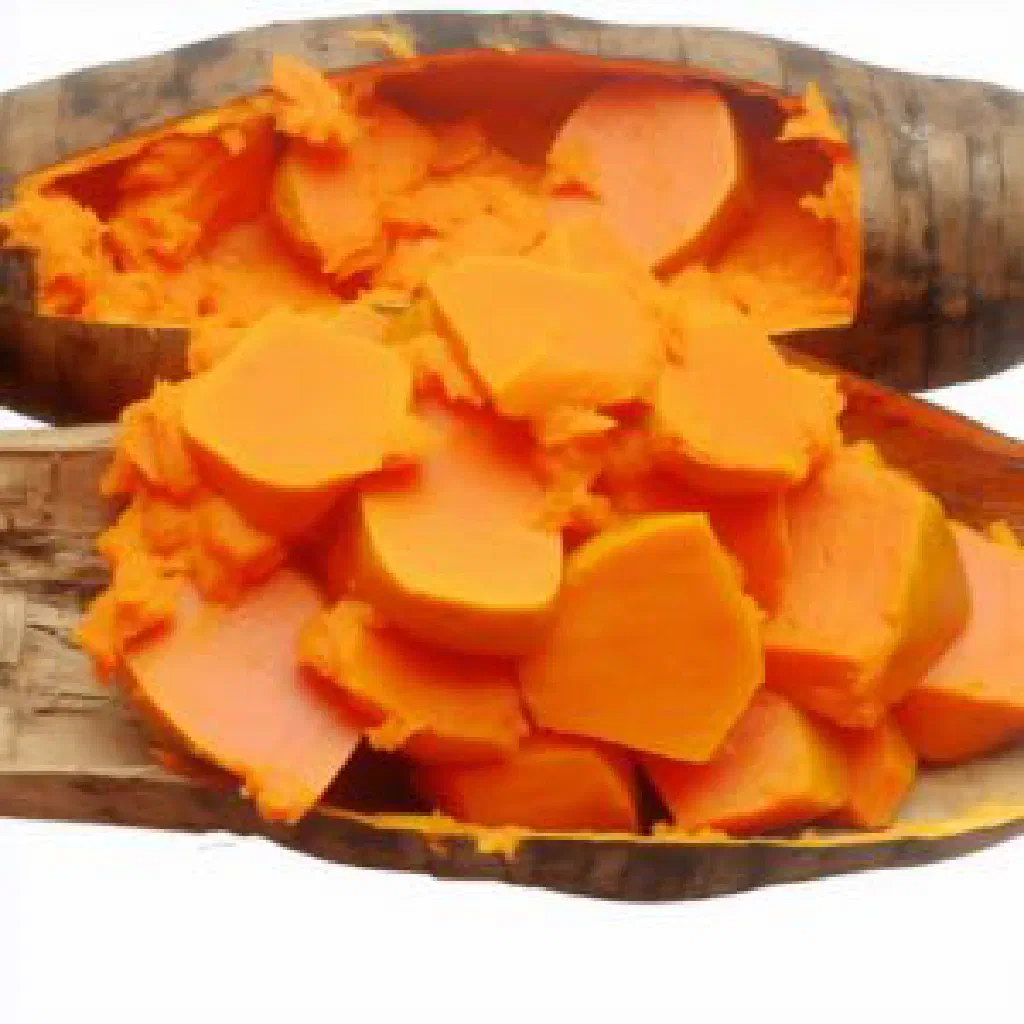
Kau Kau is sweet potato, and in Papua New Guinea that means the staple food of the highlands — the crop that feeds most of the country. Here it is braised in coconut milk with onion and leafy greens until soft and lightly sweet. Traditionally it comes out of a mumu, the earth oven; a pan on the stove does the job in half an hour.
About Kau Kau
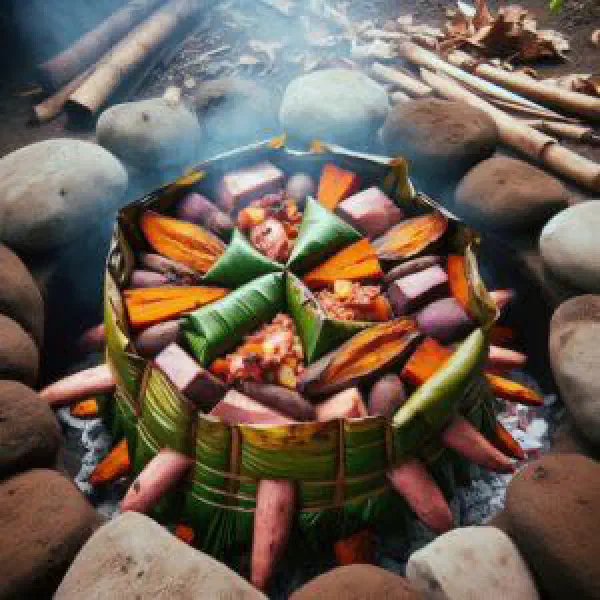
Kau Kau is the sweet potato dish at the culinary heart of Papua New Guinea. No table in the country is without it. Tender sweet potatoes are cooked in creamy coconut milk with fresh leafy greens until they become a savoury-sweet braise. Kau kau is the staple food of the island world and is traditionally prepared in the earth oven, the mumu, alongside meat and other roots.
Ingredients (serves 1–2)
- 400 g sweet potatoes, peeled and cut into chunks
- 200 ml coconut milk
- 1 small onion, sliced into rings
- 1 handful leafy greens (spinach, kale or chard in place of aibika/kumu)
- 1 tablespoon coconut or vegetable oil
- Salt and pepper, to taste
- Optional: chilli, for heat
Shopping for the ingredients
Orange-fleshed sweet potatoes are the most widely available; the white and purple varieties eaten in Papua New Guinea are firmer and less sweet, and are worth seeking out in African or Asian grocers. Aibika is a hibiscus-family leaf with a slightly mucilaginous texture, spinach or chard are the practical stand-ins.
Preparing the dish
Peel and cut the sweet potato into even chunks so they cook at the same rate. Wash and roughly chop the greens. Full-fat coconut milk only; the light versions split and give a thin sauce.
Step-by-step instructions
- Peel the sweet potatoes and cut into even chunks.
- Heat the oil in a wide pan and soften the onion rings for 5 minutes.
- Add the sweet potato and stir to coat.
- Pour in the coconut milk and add 100 ml water.
- Season with salt and pepper and add chilli if using.
- Cover and simmer gently for 20 minutes, until the sweet potato is tender.
- Add the leafy greens and cook uncovered for 5 minutes more.
- Taste, adjust the seasoning and serve hot.
Gluten-free / lactose-free version
Kau kau is naturally gluten-free and lactose-free, coconut milk replaces dairy entirely, as it does throughout Pacific cooking. Nothing needs adapting.
Tips for vegans and vegetarians
The dish is vegan as written. Sweet potato and greens in coconut milk is a complete and genuinely satisfying plant-based meal, and it is eaten that way across the highlands most days of the week.
More tips and tricks
Keep the coconut milk below a rolling boil, or it splits and turns grainy. Cut the sweet potato evenly. And add the greens right at the end, since they need only a few minutes and overcooked greens turn grey.
Adapting the recipe to your taste
Taro or yam can replace some of the sweet potato and are equally traditional. Tinned fish or smoked chicken stirred in makes it a fuller meal. Ginger and garlic add depth without straying far.
Ingredient substitutions
Pumpkin works in place of sweet potato with a shorter cooking time. Any leafy green substitutes for aibika. Coconut cream instead of milk gives a richer sauce.
Drink pairing ideas
Fresh coconut water is the obvious island pairing. Cold SP Lager is the standard local beer. Black tea is drunk with meals in the highlands.
Serving and presentation ideas
Serve kau kau in bowls, hot, on its own or alongside grilled fish or mumu-cooked meat. It is everyday food and is served plainly, the sweetness of the root and the richness of the coconut do not need help.
A bit of history
Sweet potato arrived in New Guinea a few hundred years ago, probably via Southeast Asian trade routes, and transformed the highlands: it grew at altitudes where taro would not, and populations expanded accordingly. It is now so central that “kau kau” and “food” are close to interchangeable in Tok Pisin. It offers a genuine window onto Papua New Guinean cuisine.
More recipe ideas
Summary: Kau Kau
Kau Kau is sweet potato braised in coconut milk with onion and leafy greens. Keep the coconut milk below a boil, add the greens last, and serve it hot as the staple it is.