National Dish Papua New Guinea: Kaukau (Recipe)
In this article
Discover Kaukau, the sweet potato dish that sits at the very heart of Papua New Guinean cooking. Simple, filling and quietly brilliant, it turns a handful of everyday ingredients into something warm and deeply satisfying. Golden cubes of sweet potato are cooked slowly with onion, garlic and a hint of chilli, then finished with a scatter of fresh herbs. It is the kind of food that tastes of home, wherever you happen to be cooking it.
About Kaukau
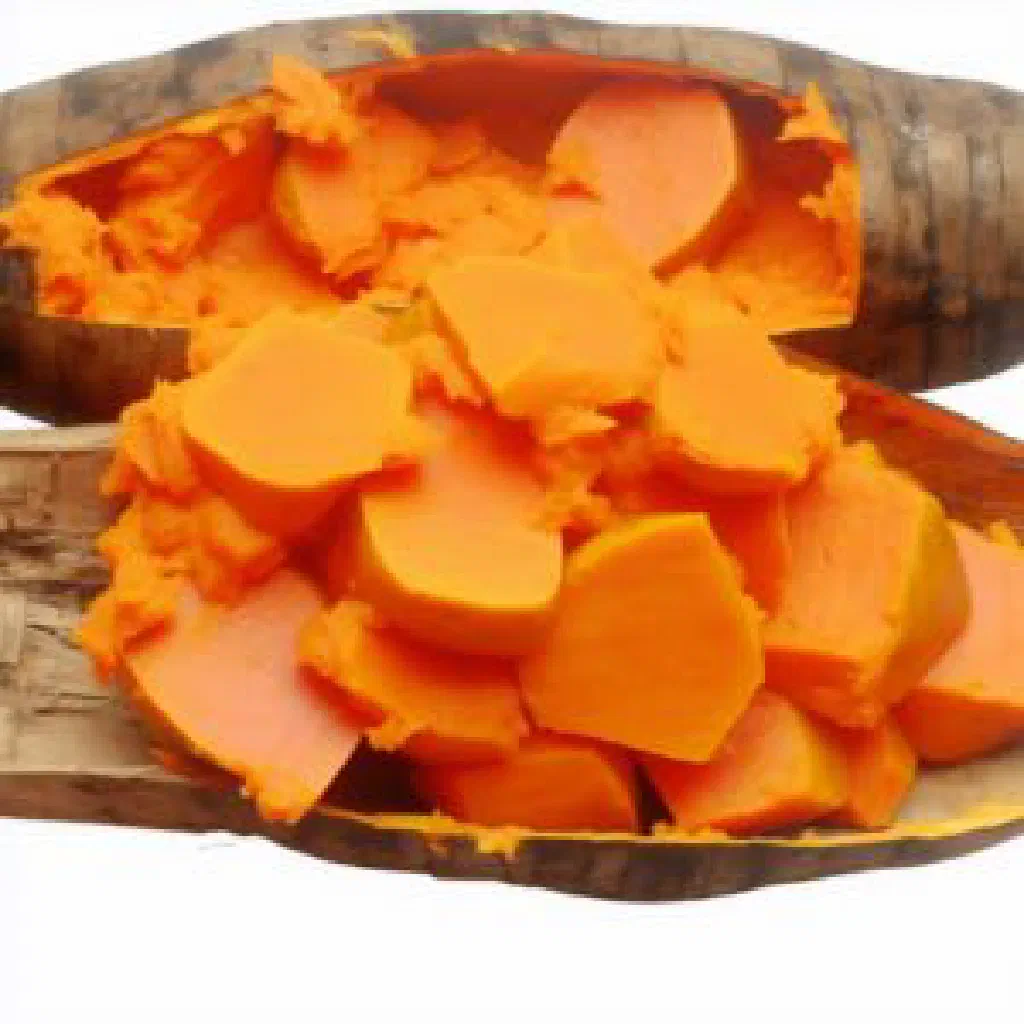
Kaukau is a traditional dish from Papua New Guinea built around sweet potatoes. The crop thrives in the fertile soils of this Pacific nation and is a staple food for a great many people there. Kaukau is often served at family gatherings and on festive occasions, because it is not only nourishing but genuinely delicious. It is frequently combined with fresh local ingredients and spices that make the dish more flavourful still.
Ingredients (serves 1–2)
- 2 large sweet potatoes
- 1 small onion
- 2 cloves of garlic
- 1 green chilli (optional)
- 1 tablespoon olive oil
- Salt and pepper, to taste
- Fresh herbs to garnish (parsley or coriander, for example)
Shopping for the ingredients
To make kaukau you need only a few simple ingredients, and almost all of them are available in any ordinary supermarket. The most important component is the sweet potato, which should be fresh and as firm as possible. Onions and garlic are equally easy to come by and bring an aromatic note to the pan. If you like a little more heat, add fresh green chillies, which are commonly sold at markets throughout tropical regions.
Preparing the dish
Getting kaukau ready is quick and refreshingly uncomplicated. Start by washing the sweet potatoes thoroughly and then peeling them. The onion and garlic cloves should be finely chopped. If you are after a spicier result, chop the green chilli small and remove the seeds before adding it to the mix.
Step-by-step instructions
- Cut the sweet potatoes into small cubes.
- Heat the olive oil in a frying pan and sauté the onion and garlic until golden brown.
- Add the diced sweet potatoes and fry them briefly.
- Season with salt, pepper and, if using, the green chilli.
- Cover the pan and cook over low heat until the sweet potatoes are tender.
- Garnish with fresh herbs just before serving.
Gluten-free / lactose-free version
Kaukau is naturally gluten-free and lactose-free, which makes it an excellent choice for anyone with an intolerance. When cooking, simply make sure that no gluten-containing ingredients or products slip in along the way. That makes kaukau ideal for everyone following a gluten-free diet, much like a bowl of Taro Leaf Soup. Enjoy the dish without a second thought about allergies or intolerances.
Tips for vegans and vegetarians
Kaukau is a perfect dish for vegans and vegetarians, since it contains no animal products at all. To make it even more substantial, add mixed vegetables such as carrots or broccoli. A squeeze of fresh lemon juice at the end lends the dish a refreshing lift. That way kaukau stays not only nourishing but varied and full of flavour.
More tips and tricks
To get the best from your kaukau, cut the sweet potatoes into evenly sized pieces so they cook at the same rate. Experiment with different herbs and spices until you land on a version that suits your own palate. It is also worth discovering how much the texture changes with different cooking methods, steaming or grilling gives a noticeably different result, as anyone who has made Roasted Breadfruit will recognise.
Adapting the recipe to your taste
Kaukau is a versatile dish that is easily adjusted to personal preference. Add further vegetables or herbs to vary the flavour, and try different spices to steer it in new directions. You can also change the character of the dish by using rapeseed oil in place of olive oil, which gives it a gentler, more neutral background note.
Ingredient substitutions
If you have no sweet potatoes to hand, ordinary potatoes work well instead. They taste rather different, but they suit the dish nicely. The garlic can be replaced with onion powder should fresh garlic be unavailable. For a creamier texture, stir in a little coconut milk, which enriches the dish considerably, the same trick that gives Yam and Coconut Mash its silky finish.
Drink pairing ideas
Tropical fruit juices such as pineapple or mango go beautifully with kaukau and underline the freshness of the dish. A cool beer or a mild wine also makes for a harmonious combination. For an alcohol-free option, serve a refreshing sparkling water with lime or lemon. Drinks like these round out the meal without competing with it.
Serving and presentation ideas
The look of kaukau is easily improved with fresh herbs and colourful vegetables. Serve the dish in a large bowl and garnish it with a selection of herbs to bring out the colours. Small dishes of extra spices or dips can be placed alongside the main dish. Presented this way, the meal becomes an experience for the eye as well as the appetite.
A bit of history
Kaukau has its roots in the culture of Papua New Guinea and reflects the traditions of the country’s many different tribes. Local communities have valued sweet potatoes as a staple food for centuries, and kaukau is often served as a mark of hospitality and togetherness. Preparing the dish is frequently regarded as something close to a cultural ceremony, carried out with care and respect. Every plate of Papua New Guinean cuisine tells you a little more about the history of this fascinating country.
More recipe ideas
- Sweet Potato Salad
- Sweet Potato Dumplings
- Wild Yam Mash
- Roast Taro with Coconut Cream
- Yam and Coconut Bake
Summary: Kaukau
Kaukau is a tasty, nourishing dish that brings you a little closer to the culture and traditions of Papua New Guinea. It is straightforward to prepare, and the use of fresh, regional ingredients makes it particularly wholesome. Vegetarian or dealing with specific intolerances and allergies, kaukau adapts easily to your needs. Enjoy the range of flavours and discover the heart of Pacific cooking.