National Dish Papua New Guinea: Roast Taro with Coconut Cream (Recipe)
In this article
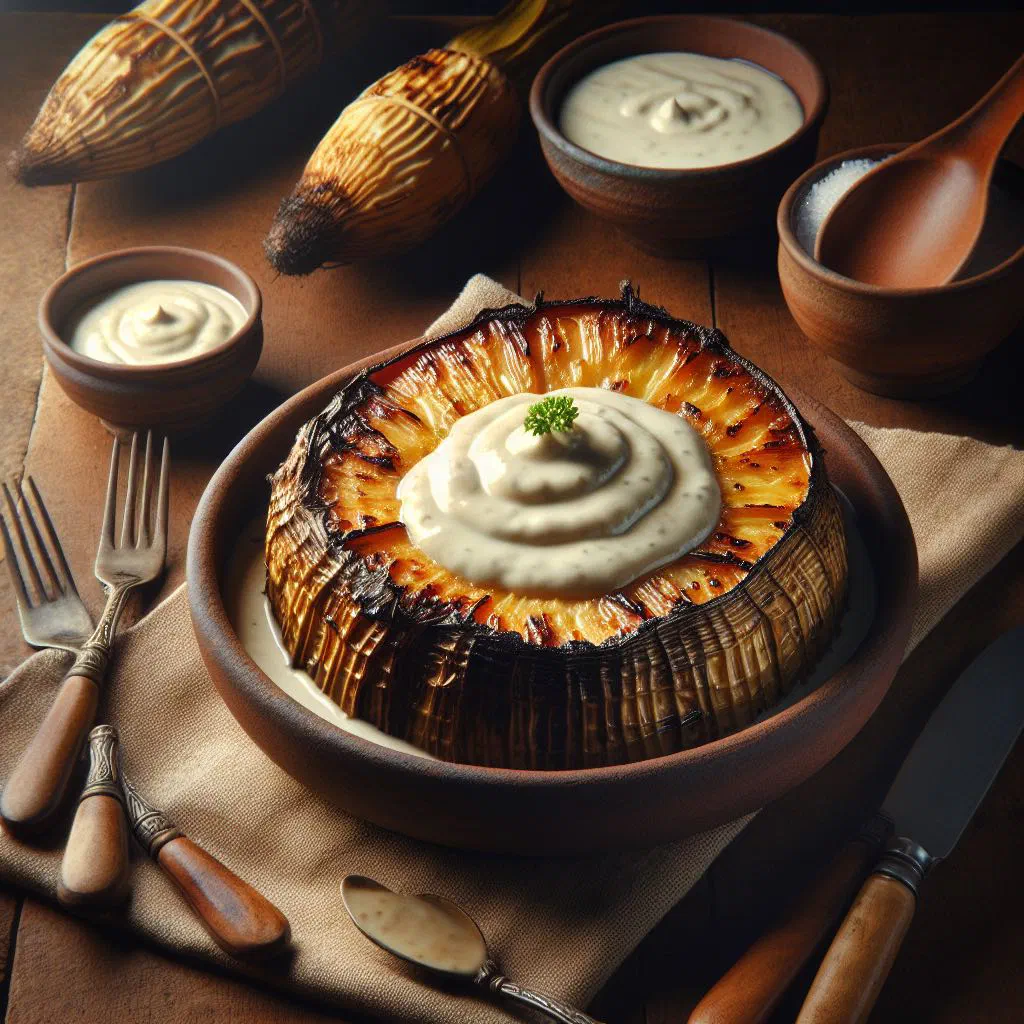
Meet Roast Taro with Coconut Cream, the dish that sums up everything wonderful about cooking in Papua New Guinea: a handful of ingredients, grown close to home, turned into something quietly luxurious. Earthy taro is boiled until tender, then fried to a golden crust and drowned in silky coconut cream. It is filling without being heavy, works as a main or a side, and needs nothing more exotic than a decent tin of coconut milk. One plate and you are on a Pacific island.
About Roast Taro with Coconut Cream
The national dish of Papua New Guinea, Roast Taro with Coconut Cream, is as much a piece of local culture as it is a meal. Taro, a starchy root vegetable, has been grown and prized across the region for centuries. The depth of flavour and the contrast in texture between the crisp-edged roast taro and the creamy coconut create a harmony that speaks to all the senses. It is a genuinely versatile dish, equally at home as a main course or as a side alongside grilled fish.
Ingredients (serves 1–2)
- 500 g taro
- 200 ml coconut milk
- 1–2 tablespoons desiccated coconut (optional)
- 1 pinch of salt
- Pepper to taste
- 1 tablespoon vegetable oil
- 1 teaspoon sugar (optional)
Shopping for the ingredients
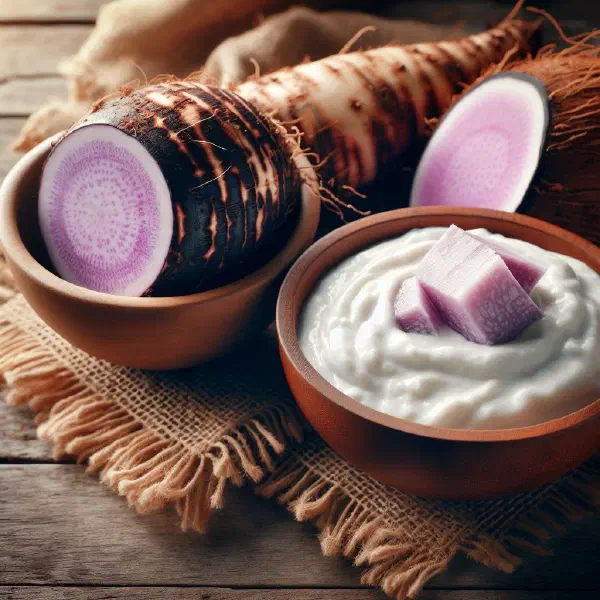
To make Roast Taro with Coconut Cream you will usually find everything you need in an international supermarket or an Asian grocery. When choosing fresh taro, look for firm roots without soft spots or blemishes. Coconut milk normally comes in tins or cartons, go for an unsweetened variety so it does not mask the natural flavour of the taro. Desiccated coconut is another useful extra, adding a little more flavour and a pleasant bite on top.
Preparing the dish
Thorough preparation makes all the difference before you start cooking. Begin by peeling the taro carefully and cutting it into evenly sized pieces so they cook at the same rate. It is worth wearing gloves while you work, as raw taro can irritate the skin. While you are chopping, warm the coconut milk gently in a small pan and, if you like, round it out with a little sugar and seasoning.
Step-by-step instructions
- Boil the taro pieces in water for about 15–20 minutes, until soft.
- Drain and leave to steam dry, then fry in a pan with oil over medium heat until golden brown.
- Warm the coconut milk, stirring well, and season with salt and pepper to taste.
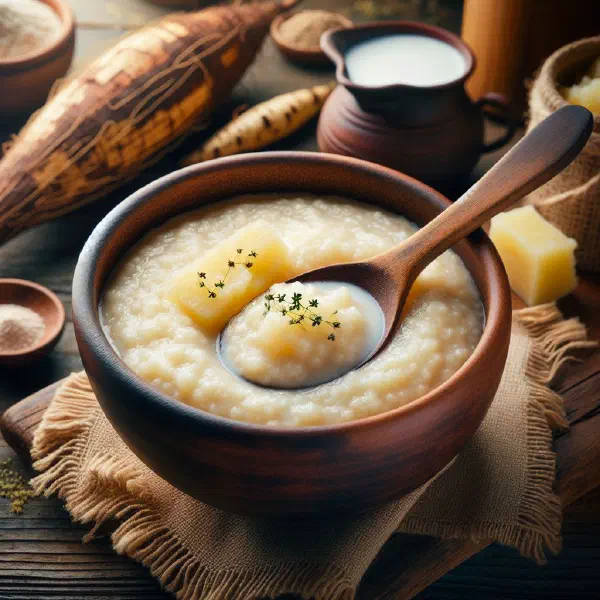
- Arrange the fried taro pieces on a plate and pour the coconut cream over the top.
- Scatter with desiccated coconut if you like, and serve.
Gluten-free / lactose-free version
Roast Taro with Coconut Cream is naturally gluten-free and lactose-free, which makes it an excellent choice for anyone with food intolerances. Taro contains no gluten at all, and the coconut milk stands in perfectly for dairy. Just check that the oil and any spices you reach for are certified gluten-free as well. That way you can enjoy the dish without a second thought about allergic reactions.
Tips for vegans and vegetarians
Roast Taro with Coconut Cream is already suitable for vegans and vegetarians, since every ingredient is plant-based. To deepen the flavour, add fresh herbs or a little chilli. Coconut sugar or another natural sweetener lets you dial the sweetness exactly where you want it. Choosing the freshest produce you can find will always give the best results, the same principle that makes a simple Kau Kau so satisfying.
More tips and tricks
To refine the dish, experiment with spices that suit the earthy character of taro. Cumin, ginger or garlic all bring an appealing lift. Roasting in the oven rather than frying in a pan gives a different flavour and texture again, depending on how crisp you like your taro. Do not be shy about trying new combinations and aromas. This is a recipe that rewards curiosity.
Adapting the recipe to your taste
One of the best things about Roast Taro with Coconut Cream is its versatility. It is easy to tailor to personal preference by adding other vegetables to the pan. Sweet potato or carrot both bring an interesting extra dimension of flavour. If you like heat, try different varieties of chilli to give the dish more warmth, much as you would in a Coconut Fish Curry.
Ingredient substitutions
If you cannot track down taro, yam or ordinary potatoes make an interesting alternative. Both have a similar texture and stand in well across many recipes. The coconut milk can be swapped for almond or soya cream to suit what you have available. These substitutes are easy to find and let you enjoy the dish in a number of different guises.
Drink pairing ideas
Light, refreshing drinks are the natural partners for Roast Taro with Coconut Cream. A pineapple lemonade or an ice-cold coconut and mint tea works beautifully, and a chilled Kulau Drink is about as authentic as it gets. Both harmonise with the sweetness of the taro and the richness of the coconut cream. For something alcoholic, rum-based cocktails echo the same tropical notes.
Serving and presentation ideas
Presentation can lift the whole experience considerably. Serve the roast taro on a rustic wooden board or in a decorative bowl. Just before it goes to the table, scatter over fresh herbs such as coriander or mint for a welcome splash of colour. An attractive presentation not only looks better, it turns an everyday meal into something of an occasion.
A bit of history
Taro has a long history in the traditional kitchens of Papua New Guinea, thriving in the fertile soils of the region. It is a staple food that plays a central role in many ceremonies and celebrations. Pairing it with coconut is a tribute to the natural resources close at hand, and shows just how simple and flavourful Papua New Guinean cuisine can be. Roast Taro is a fine example of the culinary variety the country has to offer, and it is winning fans well beyond its shores.
More recipe ideas
- Taro and Coconut Cream
- Yam and Coconut Mash
- Roasted Breadfruit
- Taro Leaf Soup
- Fried Cassava with Coconut
Summary: Roast Taro with Coconut Cream
In short, Roast Taro with Coconut Cream is a delicious and nourishing dish that brings the flavours and culture of Papua New Guinea into your kitchen. Its straightforward preparation and easy versatility make it a recipe worth recommending to anyone. Enjoy the interplay of honest, natural ingredients and let your palate travel to the Pacific. Take inspiration from this traditional dish and discover just how simple it is to put a piece of another culture on the table.