National Dish Papua New Guinea: Sago Pudding (Recipe)
In this article
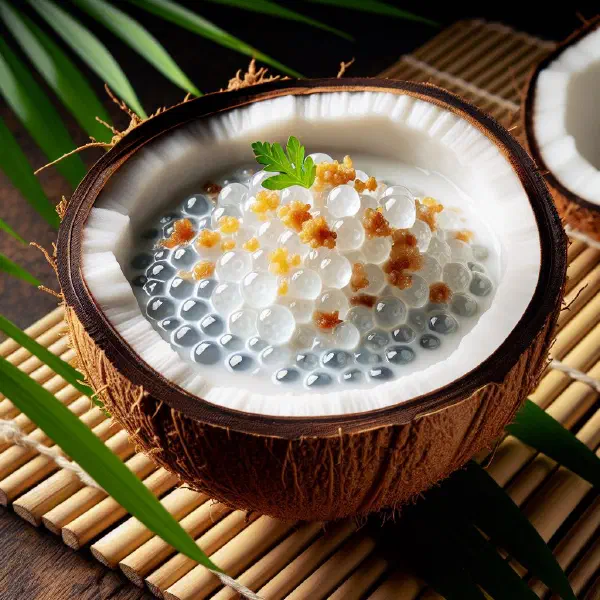
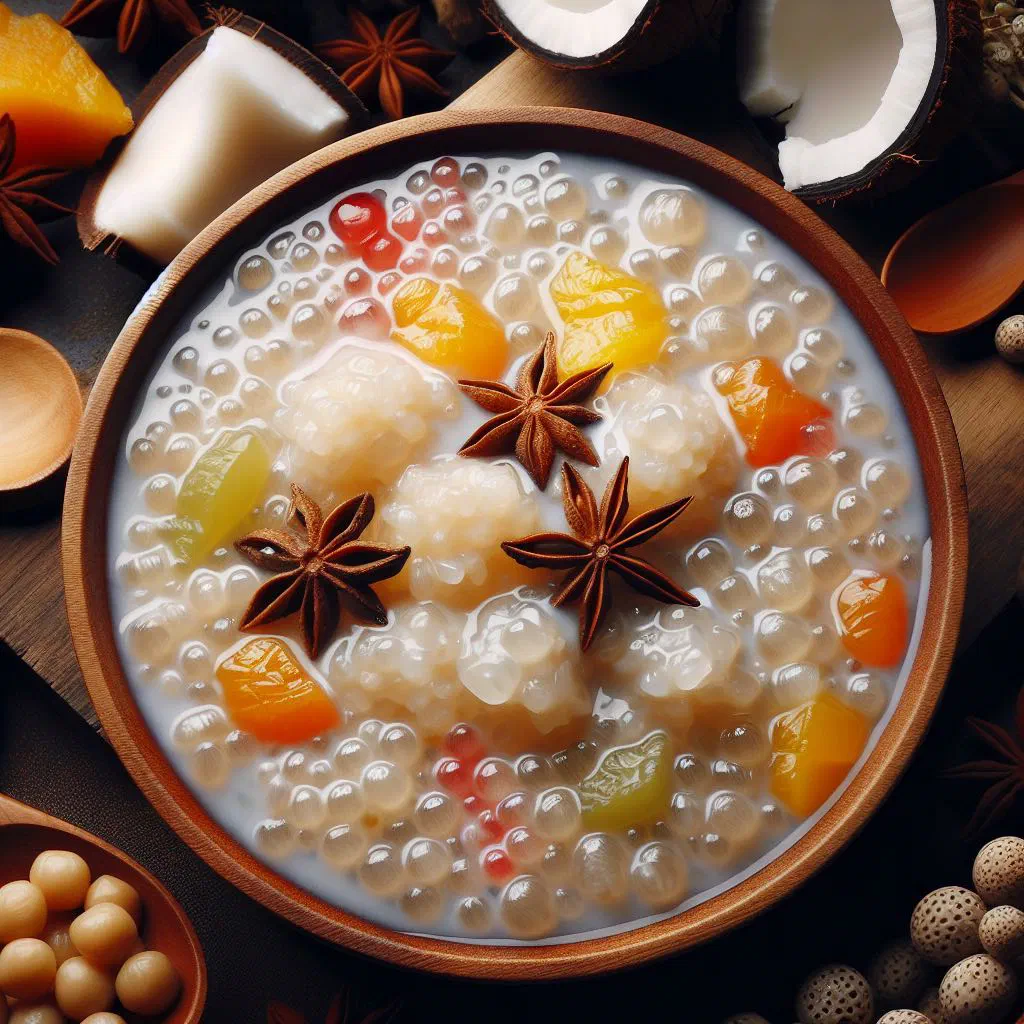
Meet Sago Pudding, the pride of Papua New Guinea’s kitchens and one of the most comforting desserts in the Pacific. Translucent pearls of sago simmer gently until they turn glassy, then soften into a silky pool of sweetened coconut milk. It is a pudding of few ingredients and enormous character, light, faintly sweet and endlessly adaptable. Serve it warm on a rainy evening or chilled with a heap of tropical fruit, and you have a dish that families here have loved for generations.
About Sago Pudding
Sago pudding is far more than a simple sweet: it is a cornerstone of Papua New Guinean cooking. The dish is built around sago, a starch extracted from the pith of the sago palm, which has fed communities across the lowlands for centuries. What makes the pudding so remarkable is its versatility. It can be made savoury or sweet, with the sweet version enriched by coconut milk and sugar. Easy to digest and rich in energy, it holds a firm place both at festive gatherings and in everyday family meals, much like the beloved Coconut Sago that shares its ancestry.
Ingredients (serves 1–2)
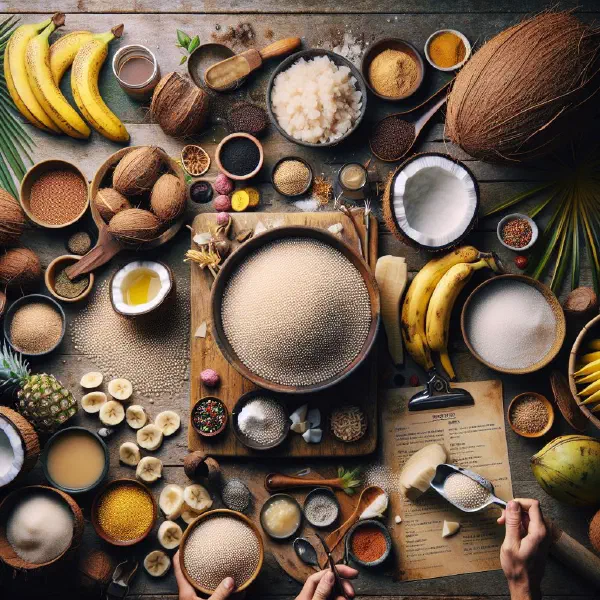
- 1 cup sago pearls
- 2 cups water
- 1/2 cup coconut milk
- 1/4 cup sugar
- 1 pinch of salt
- Fruit, to garnish (optional)
Shopping for the ingredients
Sago pearls are stocked by Asian supermarkets and by well-stocked grocers, often sitting alongside tapioca pearls, which look almost identical. When buying coconut milk, look for quality and check the label for unnecessary additives, a good tin should list little beyond coconut extract and water. Fresh fruit for the garnish can be chosen according to the season and your own taste, whether that is ripe mango, banana or pawpaw.
Preparing the dish
The sago pearls need a thorough rinse before cooking to wash away excess starch, which would otherwise leave the pudding gluey. After rinsing, let the pearls swell in cold water for a few minutes. Prepare your fruit in advance and set out every ingredient within reach, so the cooking runs smoothly from start to finish, sago waits for nobody once it hits the pan.
Step-by-step instructions
- Bring the water to the boil in a pan and add the sago pearls.
- Reduce the heat and let the pearls simmer, stirring constantly, until they turn translucent.
- Add the coconut milk, sugar and a pinch of salt, and stir well to combine.
- Continue cooking for a few minutes until the pudding reaches the consistency you want.
- Take the pan off the heat and spoon the pudding into bowls.
- Leave the sago pudding to cool and garnish with fruit as you like.
Gluten-free / lactose-free version
Sago pudding is naturally gluten-free, since sago is a pure palm starch with no wheat in sight, which makes it a welcome dessert for anyone with coeliac disease or a gluten intolerance. It is naturally lactose-free too, as long as you stick to coconut milk rather than dairy. Simply check that your sugar and any shop-bought garnishes carry no hidden additives, and the pudding is safe for almost every table.
Tips for vegans and vegetarians
In its classic form this dessert is entirely vegan: sago, water, coconut milk and sugar contain nothing of animal origin. If you would like to sweeten it differently, use maple syrup or agave rather than honey to keep it plant-based. Avoid finishing the bowl with dairy cream and reach instead for thick coconut cream, which gives the same luxurious richness while staying faithful to the way the dish is made in Papua New Guinea.
More tips and tricks
Regular stirring throughout cooking is the single best way to guarantee an even, lump-free consistency. The pudding can be served either warm or chilled, and each version has its devotees. For a more festive note, finish it with chopped nuts or a drizzle of honey, or scatter over toasted coconut flakes for a little crunch against the softness.
Adapting the recipe to your taste
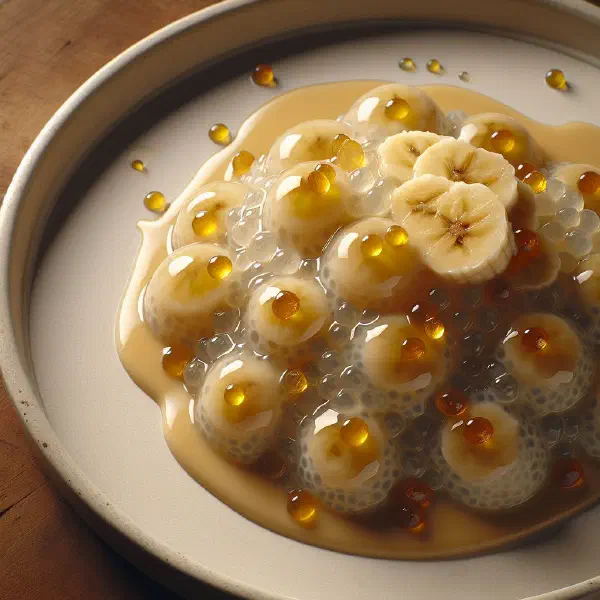
Adjust the sugar freely, or swap it for alternative sweeteners such as honey or maple syrup. Anyone who prefers a less sweet dessert can reduce the coconut milk or replace part of it with water for a lighter finish. A split vanilla pod or a strip of pandan leaf dropped into the pan while the pearls cook adds a gentle perfume, in the same spirit as a Banana Sago Pudding.
Ingredient substitutions
If you have no coconut milk to hand, ordinary milk works, as do plant-based alternatives such as almond or soya milk. Tapioca pearls make a close stand-in for sago and behave almost identically in the pan. When it comes to the fruit garnish there are no limits to your creativity. Try the sweetness of Baked Banana alongside the pudding for a richer plateful.
Drink pairing ideas
Fruity drinks such as fresh juices or a light tea sit beautifully next to a sweet sago pudding without competing with it. A glass of chilled coconut water lends an exotic note and rounds off the whole experience, while a Pawpaw Smoothie makes the pairing feel like a proper tropical treat. For something with more bite, a homemade ginger drink cuts pleasantly through the creaminess.
Serving and presentation ideas
Serve the pudding in clear glasses or bowls so that its glassy texture and pale colour are on full display. Garnished with brightly coloured fruit and a few mint leaves, the dessert becomes the visual highlight of the table. Layering the pudding with mango purée in a tall glass is another simple trick that turns an everyday sweet into something worth photographing.
A bit of history
Sago has been a fundamental source of carbohydrate for the people of Papua New Guinea for centuries, harvested from palms that grow abundantly in the swampy lowlands. The whole culture of sago processing, felling the palm, washing the pith, settling the starch, is bound up with the traditions and rhythms of village life. The pudding embodies a piece of that cultural identity and is passed down from one generation to the next, standing among the most recognisable dishes in all of Papua New Guinean cuisine.
More recipe ideas
Summary: Sago Pudding
The traditional sago pudding of Papua New Guinea is a simple, versatile and thoroughly delicious dessert that gets by on a handful of ingredients and convinces in both its savoury and its sweet form. Whether it appears as a festive highlight or as a quick everyday pudding, it delivers real pleasure for very little effort. Give it a try, and let one of the Pacific’s great comfort foods find a place in your own kitchen.