National Dish Papua New Guinea: Sago (Recipe)
In this article
Discover Sago, the staple that has sustained the people of Papua New Guinea for centuries. Drawn from the pith of the towering sago palm, this glossy starch turns into softly translucent pearls that can be sweetened into a comforting pudding or served as a quiet, savoury side. It is humble food with real depth, easy to cook, endlessly adaptable and a genuine taste of island life.
About Sago
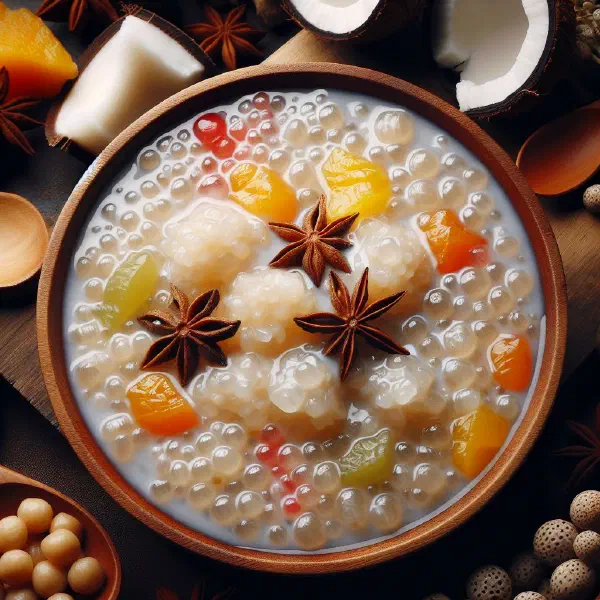
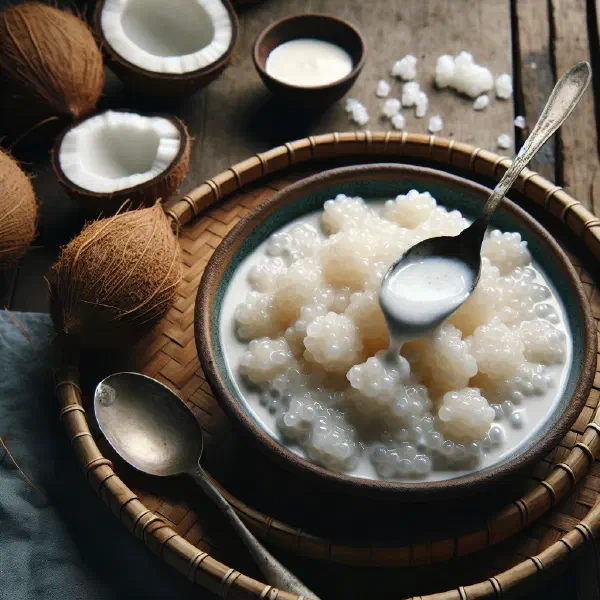
Sago is a dish steeped in tradition in Papua New Guinea, made from the starch harvested from the sago palm. The palm thrives across tropical regions and yields a valuable source of starch that has fed generations. Sago can be prepared in a whole range of ways, from sweet puddings to hearty savoury sides. That versatility is exactly what has made it such a beloved staple food across the region.
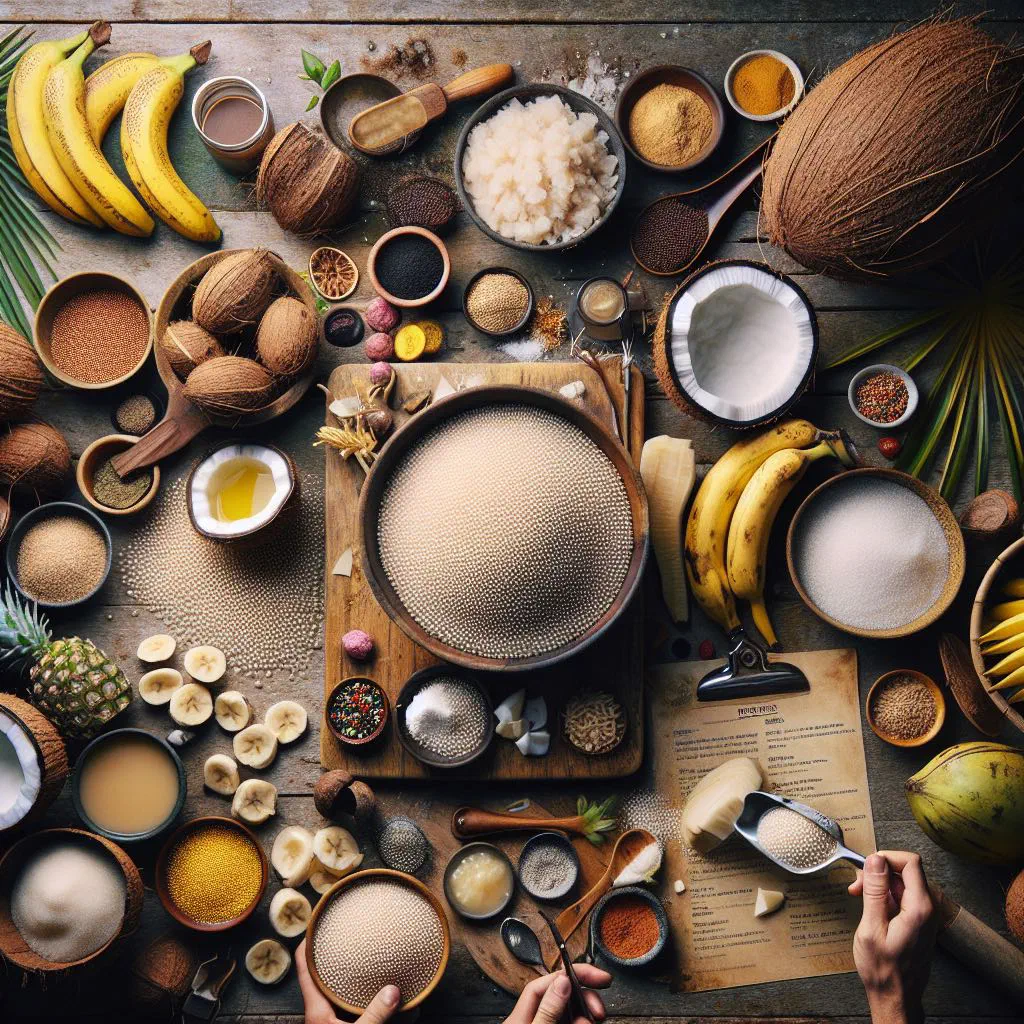
Ingredients (serves 1–2)
- 100 g sago pearls
- 500 ml water or milk
- 2 tablespoons sugar (to taste)
- A pinch of salt
- Optional: fruit or nuts, to garnish
Shopping for the ingredients
The ingredients you need for sago are available in most supermarkets and Asian grocery shops. Sago pearls in particular are usually easy to find there, while the rest, water, milk, sugar and salt, are everyday store-cupboard staples. When choosing your pearls, look for good quality, as this makes all the difference to the final consistency. If you plan to add fresh fruit or nuts, pick seasonal produce for a more intense aroma.
Preparing the dish
Getting ready to cook sago is straightforward and takes only a few steps. First the pearls need soaking in water so they reach the right texture. How long this takes varies with the size of the pearls, so do check the instructions on the packet. It is also worth setting up a comfortable, tidy work surface so the whole cooking process stays relaxed.
Step-by-step instructions
- Tip the sago pearls into a bowl and cover them with water. Leave to soak for around 30 minutes.
- Once soaked, drain the pearls and set them aside.
- Bring the water or milk to the boil in a saucepan.
- Add the sago pearls and cook for about 10–15 minutes, stirring constantly, until they turn translucent.
- Stir in the sugar and a pinch of salt until evenly combined.
- Spoon the sago into bowls and garnish with fruit or nuts as you like.
- Serve warm or cold.
Gluten-free / lactose-free version
One of the great advantages of sago is that it is naturally gluten-free, which makes it an ideal choice for anyone with coeliac disease or a gluten intolerance. If you want to avoid lactose, simply use water or a plant-based milk such as almond or coconut milk to cook the pearls. The texture and flavour of the sago come through just as well. Do check every ingredient to make sure the rest of the dish is lactose-free too.
Tips for vegans and vegetarians
Sago is wonderfully suited to a vegan diet, as it contains no animal products at all. Simply swap the sugar for a plant-based sweetener or agave syrup to keep the recipe entirely vegan. Round the dish out with chopped nuts, dried fruit or fresh berries for extra flavour and nutrition. These small adjustments keep the dish both wholesome and varied on the palate.
More tips and tricks
A little experimentation can give your sago real character. Try adding spices such as cinnamon or nutmeg to deepen the aroma. Using coconut milk in place of ordinary milk lends the dish a lovely tropical note, much as it does in a bowl of Coconut Sago.
Adapting the recipe to your taste
Adapting sago to suit individual tastes could hardly be easier. Play with different sweeteners, or add flavourings such as vanilla extract to give the dish a more personal signature. The toppings matter just as much: finish your sago with nuts, seeds or fresh fruit according to what you love. Keep checking the consistency as you go and adjust it until you reach exactly the result you want.
Ingredient substitutions
If you find yourself short of a particular ingredient, there are plenty of alternatives to hand. Instead of water you can cook the pearls in fruit juice for a brighter, fruitier flavour. When it comes to sweetness, honey or syrup are good options for a more natural taste. Using a different starch such as tapioca can also give interesting results if you fancy exploring new textures, as in these Fried Tapioca Balls.
Drink pairing ideas
Several drinks show sago off beautifully. A fresh fruit juice such as pineapple or mango complements the dish and brings out its tropical notes. A chilled Kulau Drink made from young coconut water is equally refreshing. Depending on your mood, a fragrant tea or a light lemonade will also round the meal off nicely.
Serving and presentation ideas
A few simple touches can lift the presentation of sago considerably. Serve it in attractive bowls and garnish with fresh fruit, herbs or edible flowers for a colourful finish. Make sure the consistency is right so the dish looks as appetising as it tastes. Small glasses are another creative option, showing off both the flavour and the look of the pearls.
A bit of history
Sago has a long tradition in the kitchens of Papua New Guinea and has been used for centuries. It forms a central part of the diet for many local communities and reflects a great deal of their cultural identity. Extracting the starch from the palm is a laborious process rooted deep in history. Its nutritional value and sheer versatility make sago one of the most valuable resources in Papua New Guinean cuisine.
More recipe ideas
Summary: Sago
Sago is far more than a dish. It is part of the culture and tradition of Papua New Guinea. Simple to prepare and remarkably versatile, it is a nourishing, flavourful choice for anyone in search of new culinary experiences. Served as a sweet pudding or as a savoury staple, sago offers an authentic journey through the kitchens of this fascinating country. Give it a try and let the flavours of Papua New Guinea win you over.