National Dish Papua New Guinea: Simboro (Recipe)
In this article
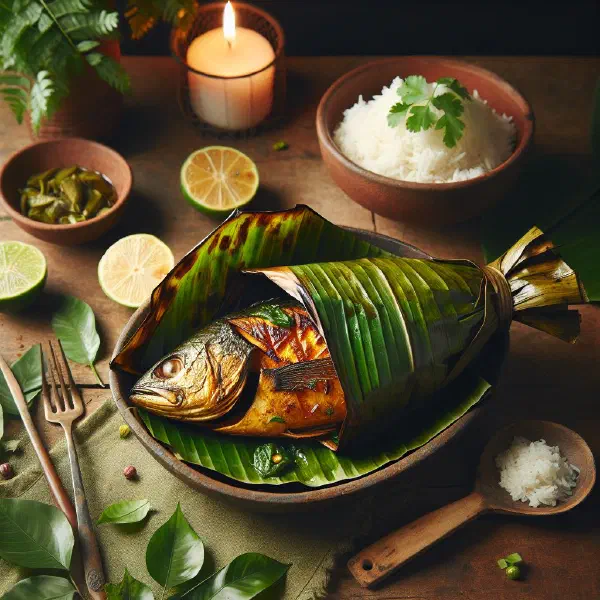
Meet Simboro, a dish that turns a simple parcel of fish or meat into something quietly spectacular. Wrapped in banana leaves and cooked slowly in an earth oven, it emerges fragrant, tender and steeped in smoke. This is food built around patience and company, the sort of cooking that draws a whole village around one fire. Bring the flavours of the Pacific to your own kitchen with a recipe that is far easier than its ceremony suggests.
About Simboro
Simboro is a traditional national dish of Papua New Guinea, deeply rooted in local culture. It consists of fish or meat wrapped in banana leaves and cooked in an earth oven. This method concentrates the aromas and produces a remarkably intense flavour. Simboro is not merely a dish but an occasion, one that mirrors the tastes of the region and is frequently served at festive gatherings, much like its close cousin Mumu.
Ingredients (serves 1–2)
- 2 fish fillets or 200 g meat (chicken or pork, for example)
- 2 banana leaves
- 1 onion, finely chopped
- 2 garlic cloves, crushed
- 1 small chilli, deseeded and finely chopped
- 1 teaspoon salt
- 1 teaspoon pepper
- Optional: fresh herbs such as coriander or parsley
Shopping for the ingredients
When shopping for simboro, favour fresh produce wherever you can. Visit a local market or an Asian grocery to find good fish or meat. Check that the banana leaves are fresh and green, as these hold the aroma best. Most of these ingredients are easy to track down, which makes simboro a genuinely accessible dish to cook at home.
Preparing the dish
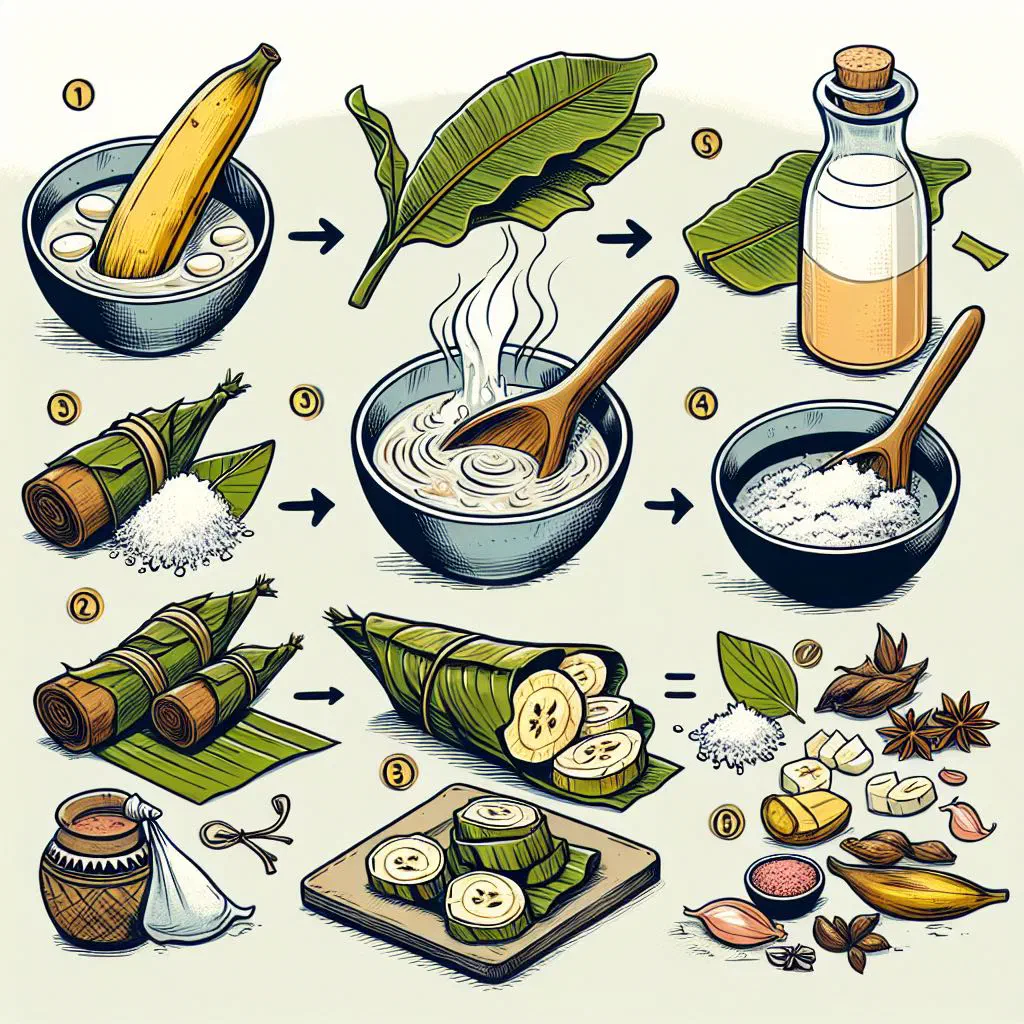
Good preparation is what draws the most out of simboro’s flavours. Begin by marinating the fish or meat. Combine the onion, garlic, chilli, salt and pepper in a bowl and rub the mixture thoroughly into the flesh. Leave everything to sit for at least 30 minutes so the aromas can develop. Meanwhile, trim the banana leaves to size so they will wrap the filling securely.
Step-by-step instructions
- Wrap the marinated fish or meat pieces in the banana leaves.
- Secure the parcels with kitchen string or cocktail sticks so nothing escapes.
- Place the parcels in the earth oven, or in a pan of water if no earth oven is available.
- Cook the simboro parcels for around 30–45 minutes, until the meat or fish is tender.
- Lift the parcels out carefully and let them rest for a moment before opening.
Gluten-free / lactose-free version
Simboro is easily made without gluten or lactose. Most of the ingredients contain no gluten at all, though it is always worth checking any side dishes and marinades. Simply use a gluten-free seasoning blend if you are adding one. The dish is naturally lactose-free as well, which makes it an ideal choice for a wide range of dietary needs.
Tips for vegans and vegetarians
Simboro adapts readily for vegans and vegetarians. In place of fish or meat, use tofu or vegetables to create a delicious plant-based parcel. Marinate the tofu or vegetable filling exactly as you would the original for a full, rounded flavour. You can also enrich the recipe with plantains or other plant ingredients to vary the texture, in the spirit of a Green Banana Stew.
More tips and tricks
A few tricks will help you get simboro just right. Blanch the banana leaves before use to make them more pliable and far less likely to split. The longer you marinate the filling, the more intense the flavour becomes. Experiment with different spices and additions to tune the dish to your own preferences.
Adapting the recipe to your taste
Another advantage of simboro is how adaptable it is. Shape the recipe entirely to your taste by trying different cuts of meat or different aromatics. Adding fruity notes such as mango or pineapple, for instance, gives the dish an intriguing lift, a trick borrowed from Green Mango Chutney. Small changes like these make the dish not just distinctive but memorable.
Ingredient substitutions
In a modern kitchen it is not always possible to find everything. If you cannot get banana leaves, use large blanched cabbage leaves or even aluminium foil to achieve a similar steaming effect. In place of fish, alternative protein sources such as tempeh or seitan work well. Substitutions like these open the door to enjoying the dish in a fully plant-based form.
Drink pairing ideas
When it comes to choosing drinks to go with simboro, think fresh fruit juices or lightly chilled cocktails. A simple lime water or an ice-cold iced tea makes a refreshing companion. Local favourites such as coconut water suit it beautifully too and round off the whole experience, a chilled Kulau Drink is hard to beat.
Serving and presentation ideas
Presentation matters more than you might expect with simboro. Serve the parcels on a colourful plate or on a large leaf, opened just enough to release the steam at the table. Add a scattering of fresh herbs and some sliced fruit to make the dish more inviting still. A thoughtful presentation will please your guests and lift the entire meal.
A bit of history
Simboro is not only a dish but a load-bearing part of Papua New Guinea’s history. It is often seen as a symbol of hospitality and community, since it is traditionally shared among friends and relatives. Cooking in the earth oven reflects how villagers work together to prepare food, each person taking a role. This dish embodies the spirit of a culture and the deep roots of this vivid corner of Papua New Guinean cuisine.
More recipe ideas
Summary: Simboro
Simboro is a remarkable dish that reflects the rich culinary tradition of Papua New Guinea. The combination of aromatic fillings, banana leaves and slow cooking in the earth oven creates a flavour you will not find anywhere else. Whether for a festive occasion or a quiet meal at home, simboro is versatile and forgiving. Give it a try and discover the delicious flavours of this cultural treasure.