National Dish Papua New Guinea: Tapioca and Banana Cake (Recipe)
In this article
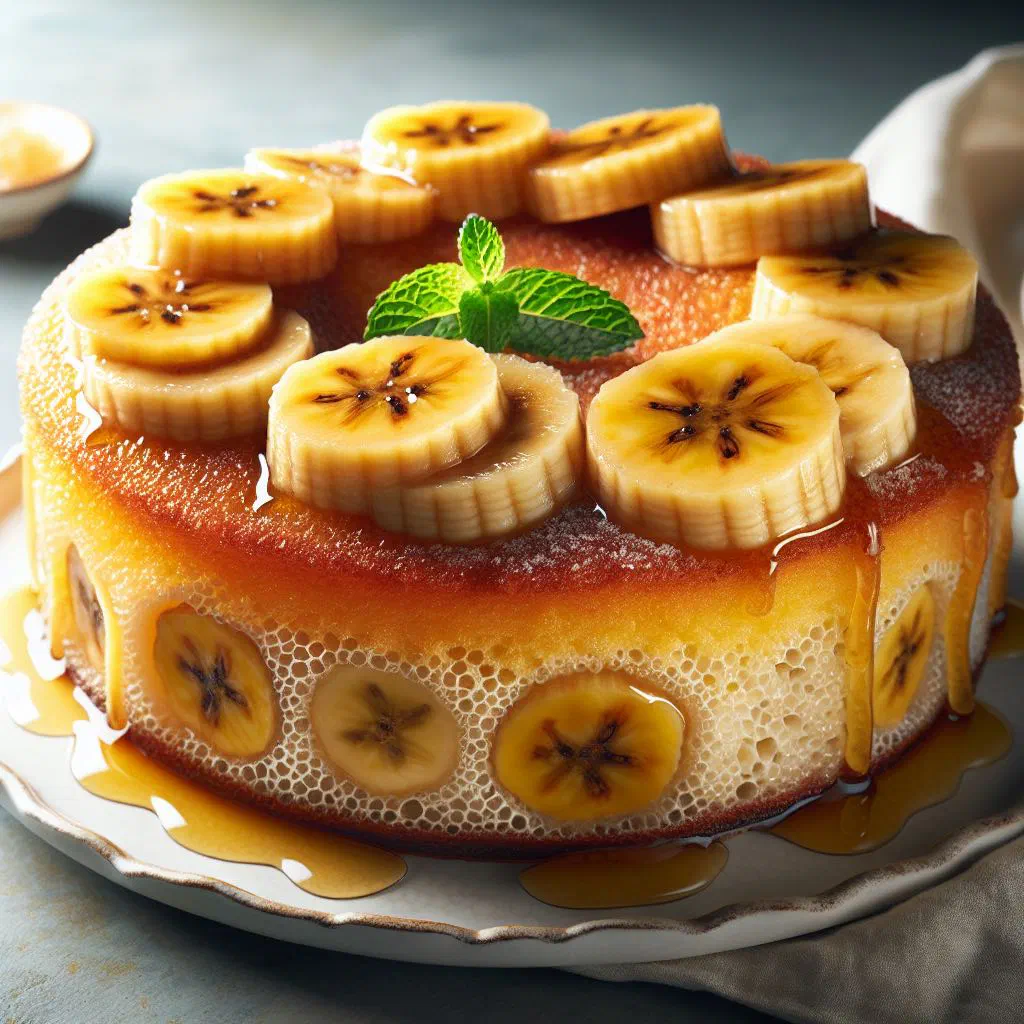
Meet Tapioca and Banana Cake, a gently sweet bake that carries the warmth of the South Pacific straight into your kitchen. Soft, chewy tapioca meets the mellow sweetness of ripe bananas, all bound together with rich coconut milk and baked until the top turns burnished and golden. It is naturally free from gluten and dairy, easy to put together with a handful of pantry staples, and every bit as welcome as an afternoon snack as it is at the end of a long, leisurely dinner.
About Tapioca and Banana Cake
Tapioca and banana cake is a genuine treat and a firm fixture of South Pacific cooking. The pairing of sweet tapioca and ripe bananas gives the cake a wonderfully pleasing texture and an aroma all of its own. It is not only delicious but nourishing too, which makes it a fine choice for any occasion. This cake brings a slice of tropical culture to your table.
Ingredients (serves 1–2)
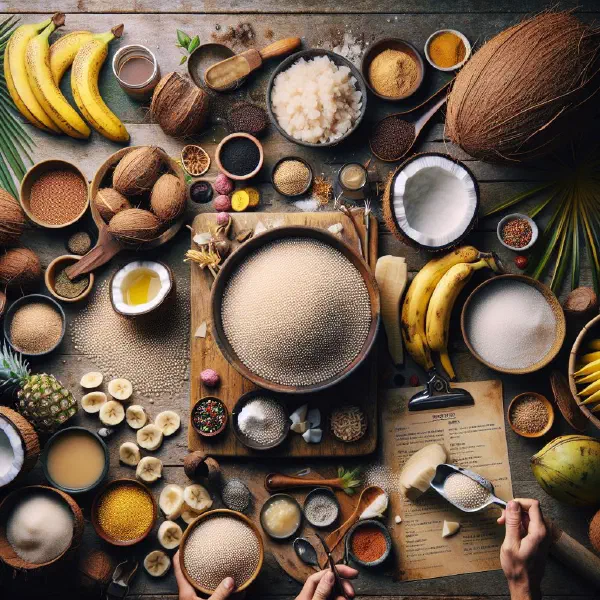
- 100 g tapioca
- 2 ripe bananas
- 50 g sugar
- 1 teaspoon vanilla extract
- 1 pinch of salt
- 200 ml coconut milk
Shopping for the ingredients
To make a really good tapioca and banana cake, shop at a well-stocked supermarket or an Asian grocery. Tapioca is often shelved in the gluten-free aisle, while coconut milk and vanilla extract sit with the baking supplies. Make sure the bananas are properly ripe, the sweeter the fruit, the better the finished cake will taste. A quick look at the ingredient labels helps you avoid unnecessary additives, particularly if you are aiming for a wholesome version.
Preparing the dish
Before you start cooking, it pays to get all your ingredients ready. The tapioca should be rinsed thoroughly to remove any impurities. Peel the bananas and mash them so the flavours can mingle properly. Prepare a suitable baking tin as well, greasing it lightly with oil or lining it with baking parchment so the cake does not stick.
Step-by-step instructions
- Soak the tapioca in water for about 30 minutes.
- Meanwhile, peel the bananas and mash them with a fork into a smooth purée.
- Drain the soaked tapioca and combine it in a bowl with the banana purée, sugar, vanilla extract, salt and coconut milk.
- Pour the mixture into the prepared tin and spread it out evenly.
- Bake in a preheated oven at 180 °C for roughly 30–40 minutes, until the surface is golden brown.
- Let the cake cool a little before cutting it into pieces and serving.
Gluten-free / lactose-free version
Tapioca and banana cake is naturally gluten-free and lactose-free, which makes it an ideal choice for anyone with those intolerances. Using coconut milk instead of dairy milk or butter lifts the flavour and keeps the recipe entirely free of lactose, the same trick that works so well in Coconut Sago. Do check your ingredients for possible traces of gluten. With these simple steps the dish suits almost every dietary need.
Tips for vegans and vegetarians
This recipe is naturally vegan, since it contains no animal products at all. That makes it an excellent option for vegans and vegetarians looking for inspiring, flavourful bakes. Because the ingredient list is short and straightforward, it is easy to try variations that suit your own preferences. Remember to use fresh, properly ripe bananas for the fullest flavour and the best nutritional value.
More tips and tricks
To make the cake even more interesting, stir in extras such as chopped nuts or dried fruit. Flavoured coconut milk alternatives can also lend the bake an unexpected note. A small spoonful of cinnamon or cardamom added to the basic mixture brings another layer of warmth. Try different combinations and see which one you like best.
Adapting the recipe to your taste
The beauty of tapioca and banana cake is how easily you can tailor it. Prefer things sweeter? Add a little more sugar or a drizzle of honey. For a less sugary version, cut the sugar back and work in spices or even herbs. That flexibility lets you add your own personal signature, so every bite is exactly to your liking.
Ingredient substitutions
If you are missing something, there are plenty of alternatives to fall back on. In place of tapioca you can try other starchy ingredients such as rice flour or cornflour, much as you would when making Sago Pancakes. Instead of sugar, natural sweeteners like agave syrup or maple syrup work beautifully. The options are near endless, and each one lets you experiment with a different flavour profile.
Drink pairing ideas
The right drink completes the experience. A fruit smoothie or a glass of freshly squeezed orange juice harmonises perfectly with the fruity notes of the cake, a Pawpaw Smoothie is a particularly good match. For something more classic, herbal tea or green tea also pairs nicely.
Serving and presentation ideas
A thoughtful presentation makes the cake feel that bit more special. Serve it on an attractive plate and garnish with fresh fruit or a sprig of mint. A little caramel sauce or chocolate cream alongside lifts the dessert to another level. With a few creative touches, the cake will happily become the centrepiece of your table.
A bit of history
The roots of this cake lie in the traditional cooking of Papua New Guinea. Local communities draw on the abundant resources around them, banana plantations and tapioca crops alike, to create dishes that are both delicious and sustaining. The recipe represents the heritage and variety of Papua New Guinean cuisine and reflects the inventive cooking of the region. Over the years the dish has travelled well beyond the islands and now enjoys a growing following among food lovers worldwide.
More recipe ideas
Summary: Tapioca and Banana Cake
In short, tapioca and banana cake is a delicious and culturally significant dish that is simple to prepare and endlessly adaptable. The combination of sweet tapioca and ripe bananas creates a flavour you will not easily forget. Thanks to its natural, uncomplicated ingredients, the recipe suits a wide range of dietary needs. Give it a try and bring a piece of Papua New Guinea’s fascinating culture to your own table.