National Dish Paraguay: Chipa con Huevo (Recipe)
In this article
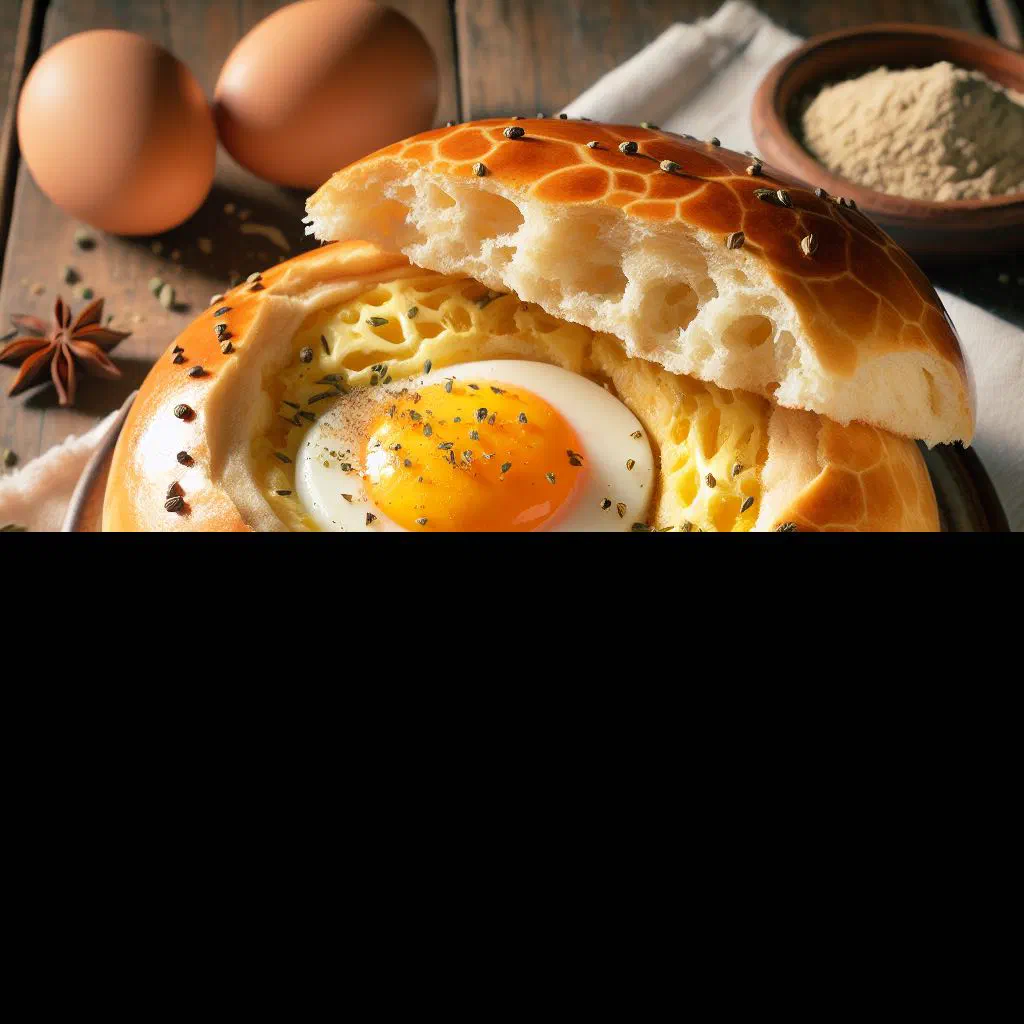
Discover Chipa con huevo, a heart-warming favourite from Paraguay. This savoury corn bread cradles a perfectly baked egg in its centre, making it just as welcome at the breakfast table as it is as an afternoon snack or a light main. Freshly baked and full of cheesy comfort, it carries a genuine taste of Paraguayan tradition into your own kitchen.
About Chipa con Huevo
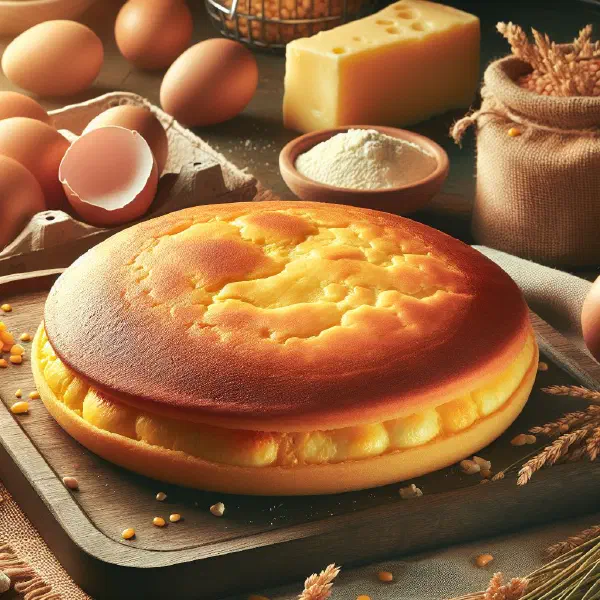
Chipa con huevo is a traditional Paraguayan dish that sets the hearts of food lovers racing. The combination of freshly baked chipa and a tender, perfectly cooked egg makes for an incomparable flavour experience. This speciality holds a special place in Paraguay, where it is served in family homes and at countless festivals and celebrations. Every bite offers a small piece of Paraguayan culture and tradition, much like the beloved Chipa it grows out of.
Ingredients (serves 1–2)
- 200 g corn flour
- 100 g cream cheese
- 2 eggs
- 50 g butter
- 1 tsp salt
- 1 tsp baking powder
- Warm water, as needed
Shopping for the ingredients
To make chipa con huevo you need only a handful of ingredients, all of which are easy to find. Corn flour is the main component and is best bought from a specialist shop or from the gluten-free section of a supermarket. Cream cheese and butter can be found in most grocery shops. The most important thing is to buy your ingredients fresh, so that you achieve the very best flavour.
Preparing the dish
Before you begin making chipa con huevo, it is worth gathering all your ingredients and getting your work surface ready. It is a good idea to combine the corn flour and the other dry ingredients in a large bowl before adding the wet ones. This groundwork ensures the mixture comes together evenly and the finished bread has just the right texture. Remember to have a baking tin or tray ready so you can bake the mixture later.
Step-by-step instructions
- Preheat the oven to 180 °C.
- In a large bowl, combine the corn flour, baking powder and the salt.
- Add the butter and the cream cheese and knead the mixture thoroughly.
- Add the eggs one at a time, mixing until a smooth, homogeneous dough forms.
- Shape small balls from the dough and press a hollow into the centre of each to hold the egg.
- Fill the hollows with egg and bake the balls in the oven for about 25 minutes.
Gluten-free / lactose-free version
For anyone who would like a gluten-free or lactose-free version, there are alternatives to the traditional ingredients. Instead of corn flour you can use rice flour, which works wonderfully well. For the lactose-free version, soya or almond butter makes an excellent stand-in for the butter.
Tips for vegans and vegetarians
Although chipa con huevo is traditionally made with eggs, there are creative ways to adapt the dish for vegans. Replace the eggs with plant-based egg substitutes or a mixture of flaxseed and water, which has similar binding properties for baking. Take care to use a vegan version of the cream cheese to keep the flavour and consistency. That way you can enjoy the authentic taste of chipa con huevo without using any animal products.
More tips and tricks
When making chipa con huevo, it is important to keep an eye on the texture of the dough. It should be neither too dry nor too wet. If the dough seems too dry, you can add a little warm water bit by bit until you reach the desired consistency. To intensify the flavour even further, you can also work spices or herbs into the dough. This is how you bring a personal touch to this traditional dish.
Adapting the recipe to your taste
The beauty of chipa con huevo is the freedom to adapt the recipe and fold in your own preferences. You can refine the dish with different types of cheese or with herbs that you like best. Experiment with various spices, such as paprika or oregano, to create new flavour experiences. Your creativity in the kitchen is sure to be rewarded.
Ingredient substitutions
If you come up against a challenge with the ingredients while making chipa con huevo, there are a few alternatives. Instead of cream cheese you can also use yoghurt or ricotta to vary the flavour and consistency. If corn flour is hard to find, you can also fall back on millet or quinoa flour. These alternatives let you prepare and enjoy the dish all the same, just as clever swaps rescue a batch of Mbeju.
Drink pairing ideas
Plenty of drinks pair beautifully with chipa con huevo and complement the flavours of the dish. A classic Paraguayan Tereré is refreshing and brings an authentic note to the meal. If you prefer something sweeter, try a fruity smoothie made from tropical fruits or a glass of fresh orange juice. This selection of drinks enriches the whole culinary experience and rounds off the dish perfectly.
Serving and presentation ideas
Presentation plays an important part in the enjoyment of chipa con huevo. Serve the little chipa con huevo in portions on a large, rustic wooden board. Garnish the dish with fresh herbs or a slice of lemon to bring a splash of colour to the plate. Using colourful plates or bowls can also make the dish more appealing, so that your guests are pleased the moment it is served.
A bit of history
Chipa has a long tradition in Paraguay and has been treasured as part of the local cuisine for centuries. This dish has its roots with the Guaraní, an indigenous people who developed the foundations of today’s recipe. Chipa is often served at special occasions or festivals and is a much-loved food among locals. Pairing it with egg is a modern variation that has developed over recent decades and enjoys great popularity, sitting proudly alongside classics of Paraguayan cuisine such as Sopa Paraguaya.
More recipe ideas
Summary: Chipa con Huevo
In summary, chipa con huevo is not merely a simple dish but also a cultural heritage of Paraguay. With its unique aromas and its wealth of ways to adapt it, it is perfect for any occasion. Whether as a hearty breakfast, a snack or a main course, it is a feast for the senses. Give it a try and enjoy the very best of Paraguayan cuisine.