National Dish Paraguay: Kure Chicharõ (Recipe)
In this article
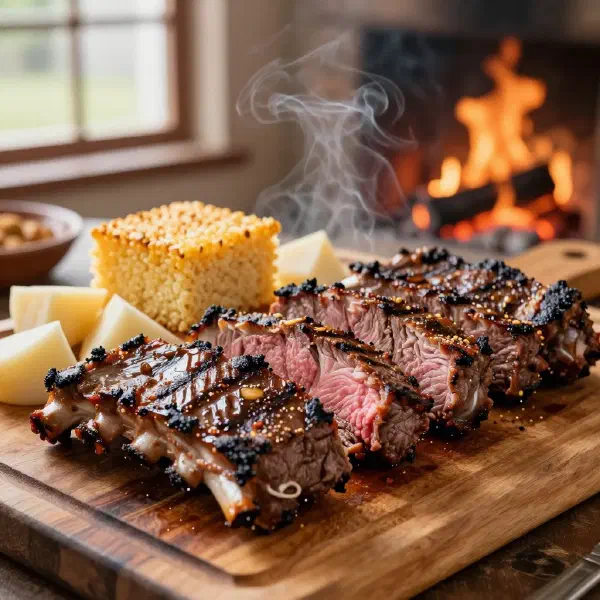
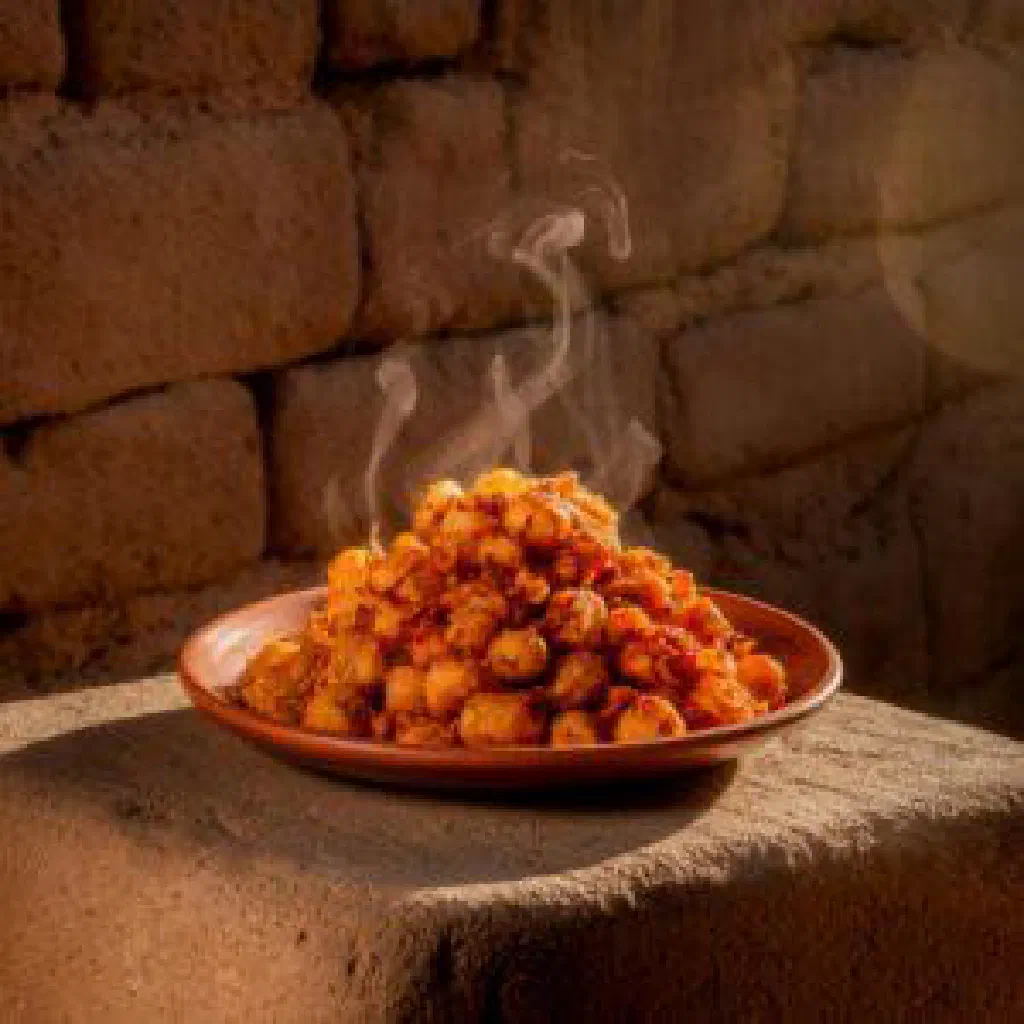
Kure Chicharõ is pork belly rendered in its own fat until the cubes are golden and the skin crackles. Kure is pig in Guaraní, chicharõ the fried pieces. There is water in the pan at the start and nothing added at the end but salt — the fat that comes out of the meat is all the cooking medium it needs.
About Kure Chicharõ
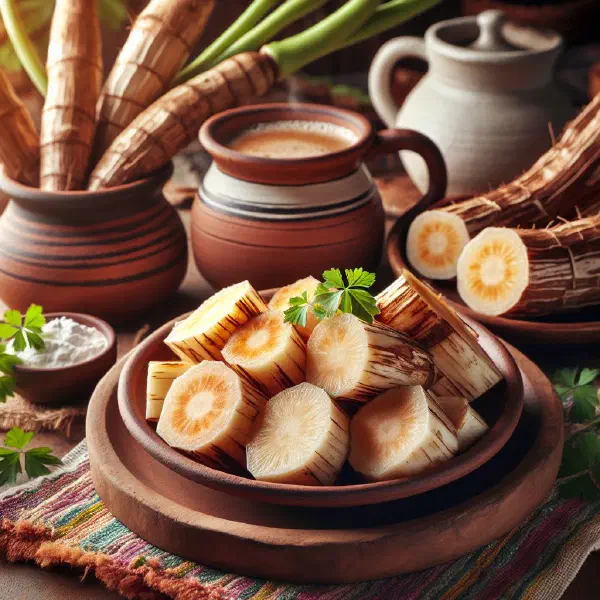
Kure Chicharõ is a traditional Paraguayan speciality. The name translates literally as “pork cracklings”, kure meaning pig, chicharõ the fried pieces, and these crisp golden cubes of pork belly are a fixed part of every Paraguayan asado. Rendered slowly in their own fat until the skin and edges turn wonderfully crisp, they are served most often with boiled cassava.
Ingredients (serves 1–2)
- 500 g pork belly with skin, cut into cubes
- 1 teaspoon coarse salt
- 1 garlic clove, crushed, optional
- About 100 ml water, to start the rendering
- Boiled cassava (mandioca), to serve
Shopping for the ingredients
Pork belly with the skin on is essential, the skin is what crackles, and a skinless belly gives merely fried pork. Ask for a piece with even layers of fat and meat. Fresh or frozen cassava is sold in Latin American and African grocers.
Preparing the dish
Cut the belly into cubes of about 3 cm, keeping the skin attached to each piece. Pat them dry and salt them. The water in the pan is not a mistake: it lets the fat render out gently before any browning starts, which is the whole technique.
Step-by-step instructions
- Cut the pork belly into 3 cm cubes with the skin attached to each.
- Pat dry and toss with the salt and garlic, if using.
- Put the cubes in a wide heavy pan with the water.
- Bring to a simmer and cook uncovered over medium heat until the water evaporates, about 20 minutes.
- The fat will now begin to render; continue cooking in it.
- Cook for a further 25–35 minutes, stirring occasionally, until deep golden and crisp.
- Lift out with a slotted spoon and drain briefly on paper.
- Salt again and serve hot with boiled cassava.
Gluten-free / lactose-free version
Kure chicharõ is naturally gluten-free and lactose-free, pork, salt and water, nothing else. Cassava is likewise gluten-free, so the whole plate is suitable as it stands.
Tips for vegans and vegetarians
The dish is pork rendered in pork fat and has no meaningful vegetarian version. A plate of crisp roasted cassava with garlic and salt fills a similar role on a Paraguayan table if you want the texture without the meat.
More tips and tricks
Start with water in the pan. This renders the fat gently and gives a far better result than throwing the meat into a hot dry pan, where the outside seizes before the fat comes out. Do not crowd the pan. And salt again at the end, when the surface is crisp.
Adapting the recipe to your taste
A squeeze of lime at the end cuts the richness. Cumin or oregano in the initial seasoning is common. Some cooks finish with a splash of orange juice, which caramelises against the fat.
Ingredient substitutions
Pork shoulder with a fat cap works, though the crackling is less pronounced. Lard added at the start speeds up a lean cut. Sweet potato substitutes for cassava.
Drink pairing ideas
Tereré, the iced yerba mate that Paraguayans drink continuously, is the authentic pairing. Cold beer suits it at an asado. A robust red wine works at the table.
Serving and presentation ideas
Serve kure chicharõ hot, piled on a board or plate with boiled cassava and a sharp onion and tomato salad. It is eaten with the fingers at an asado, straight from the pan while the next batch renders.
A bit of history
Rendered pork appears wherever pigs are kept, and the Paraguayan version is bound up with the asado and with cassava, the country’s staple root. Guaraní vocabulary sits throughout Paraguayan food language, the country is genuinely bilingual, and dish names like this one record it. It offers a genuine window onto Paraguayan cuisine.
More recipe ideas
Summary: Kure Chicharõ
Kure Chicharõ is pork belly cubes rendered slowly in their own fat until crisp and golden, served with boiled cassava. Start with water in the pan, do not crowd it, and salt twice.