National Dish Paraguay: Mazamorra de Trigo (Recipe)
In this article
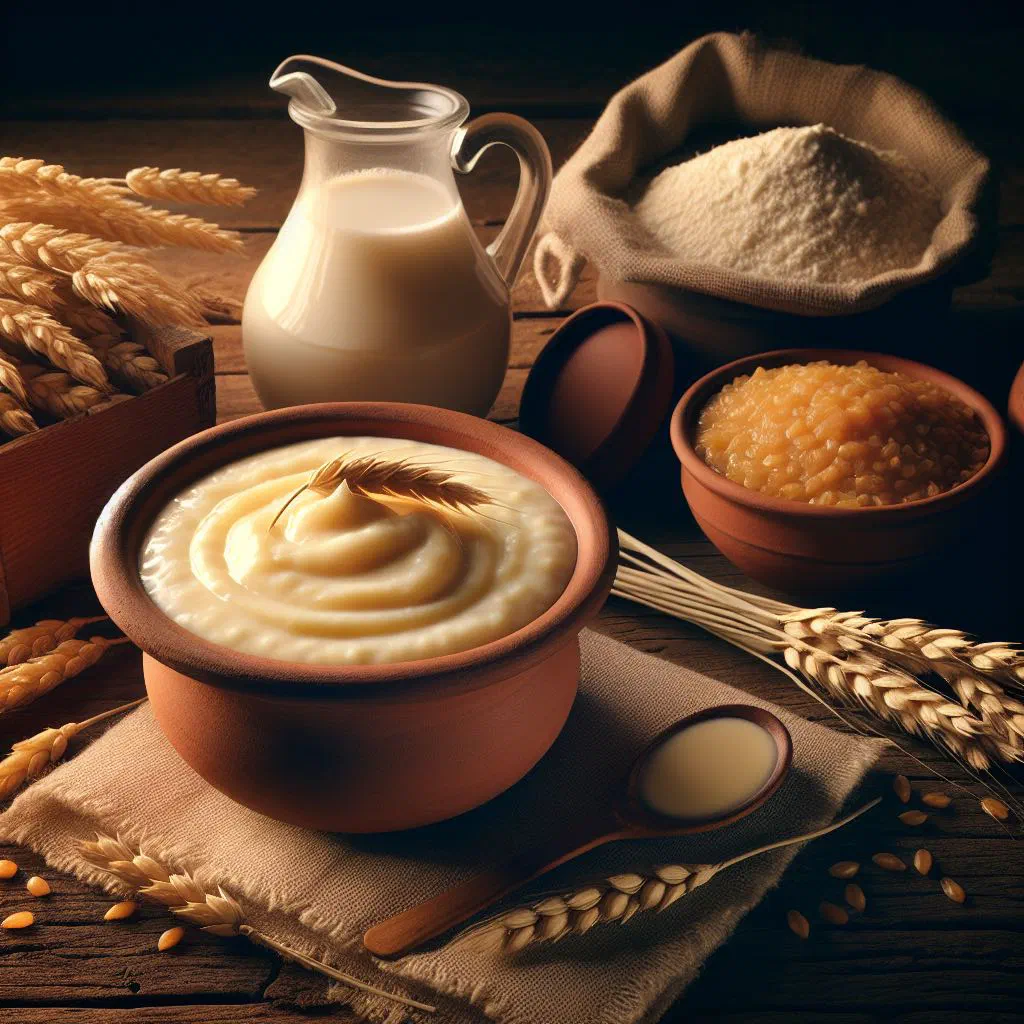
Meet Mazamorra de Trigo, a comforting Paraguayan sweet that turns a handful of humble pantry staples into something quietly special. Softened wheat is simmered gently in milk and sweetened to taste, giving a creamy, spoonable pudding that is just as welcome as an afternoon snack as it is a relaxed end to a meal. With its warm hint of cinnamon and its unfussy method, this is the kind of homely dessert that brings a little of Paraguay to your own kitchen table.
About Mazamorra de Trigo
Mazamorra de Trigo is a traditional Paraguayan dish celebrated for its gentle flavour and its wonderfully simple preparation. It is a dessert built around just three core ingredients, wheat, sugar and milk, which together create a smooth, creamy consistency. Equally at home as a pudding or as a between-meals treat, it has long been a firm favourite. If you are looking for a new recipe that brings the flavours of Paraguay to your table, Mazamorra de Trigo is well worth a try.
Ingredients (serves 1–2)
- 100 g wheat (preferably hulled)
- 500 ml milk
- 100 g sugar (adjust to taste)
- A pinch of salt
- Cinnamon or vanilla for extra flavour (optional)
Shopping for the ingredients
The ingredients for Mazamorra de Trigo are refreshingly straightforward and available in most supermarkets. Look out for good-quality wheat that is fresh and well processed. For the milk you can use either whole milk or a plant-based alternative, depending on your preference. The choice of sugar also makes a real difference to the final taste. Try brown sugar for a deeper, more rounded aroma.
Preparing the dish
Before cooking your Mazamorra de Trigo, soak the wheat for at least 4 hours or overnight. This improves the texture and shortens the cooking time. Once soaked, rinse the wheat thoroughly to wash away any excess starch. Feel free to be creative at this stage by adding extra flavourings such as cinnamon or vanilla to deepen the taste experience.
Step-by-step instructions
- Tip the soaked and rinsed wheat into a pan, add the milk and the pinch of salt, and bring to the boil.
- Simmer the mixture over medium heat for 30–40 minutes, until the wheat is soft and creamy.
- Add the sugar to taste and keep stirring until it has fully dissolved.
- If you like, stir in a little cinnamon or vanilla, then take the pan off the heat.
- Spoon the Mazamorra de Trigo into bowls and serve warm or chilled.
Gluten-free / lactose-free version
Mazamorra de Trigo adapts easily to gluten-free and lactose-free needs. For a gluten-free version you can use gluten-free wheat or an alternative such as quinoa. To make the dish lactose-free, simply swap in a plant-based milk like almond or oat milk. These small adjustments mean everyone at the table can enjoy the dessert, whatever their food allergies.
Tips for vegans and vegetarians
For vegans, a plant-based milk alternative works beautifully in Mazamorra de Trigo. You can also replace the sugar with a plant-based sweetener of non-animal origin. If you follow a vegetarian diet you are already well catered for, as the base recipe uses no animal products at all, provided the milk is vegan. The recipe leaves plenty of room for adjustment, making it suitable for everyone.
More tips and tricks
To make your Mazamorra de Trigo even more special, experiment with different toppings. Add fruit, nuts or even a scattering of chocolate chips for extra texture and flavour. A drizzle of fresh cream or a few drops of honey can also add a little indulgence. Remember that presentation has a big influence on the eating experience, so it pays to plate your dish attractively.
Adapting the recipe to your taste
Everyone has their own preferences, and the joy of Mazamorra de Trigo is how easily it adapts. Play around with different sweeteners or flavourings to create your own favourite version. Instead of just sugar, you might reach for honey or agave syrup. You can adjust the consistency too, adding more or less milk to make the dish exactly as thick or as loose as you like.
Ingredient substitutions
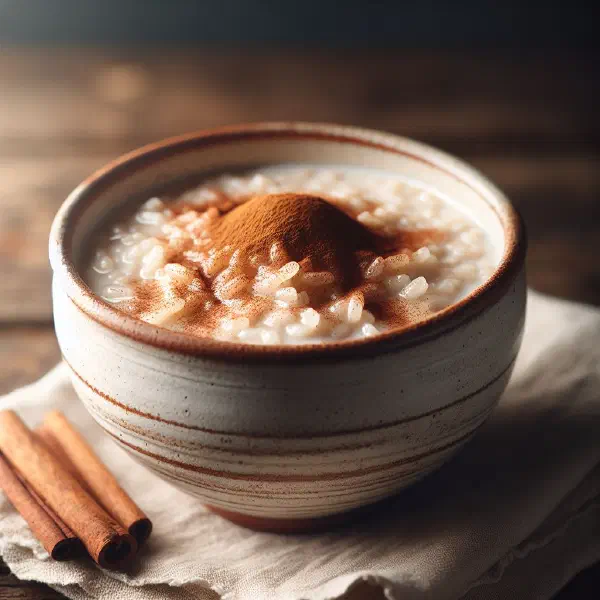
If you cannot find a particular ingredient for Mazamorra de Trigo, there is always an alternative to hand. In place of wheat you could use rice to achieve a similar consistency, much like the comforting texture of Arroz Con Leche. For the milk, plant-based options such as soya or coconut milk are ideal substitutes. This flexibility makes the recipe simpler and wonderfully versatile.
Drink pairing ideas
A range of drinks pairs nicely with Mazamorra de Trigo to round off the experience. A fresh fruit juice or a cool glass of agua fresca makes an ideal companion. If you fancy something warm, a cinnamon-spiced tea or a light coffee harmonises beautifully. For a chilled Paraguayan touch, a glass of Tereré is a refreshing choice. These combinations turn the dessert into a complete treat.
Serving and presentation ideas
Presentation can make all the difference with Mazamorra de Trigo. Serve the dish in pretty bowls or glasses, garnished with fresh fruit or nuts. A dusting of cinnamon or a drizzle of honey on top can round off both the look and the flavour. Do not forget to play with texture and colour to make the dish as appetising as possible.
A bit of history
Mazamorra de Trigo has its roots in the culture of Paraguay, where it has traditionally been passed down from generation to generation. It is a dish prized for its taste and for its ability to foster community and hospitality. Often served at celebrations and special occasions, it has earned a firm place in the hearts of Paraguayans. These traditions and the stories behind them turn simple food into a meaningful experience, and make it a lovely example of Paraguayan cuisine, much like the maize-based Mazamorra de Maíz.
More recipe ideas
Summary: Mazamorra de Trigo
Mazamorra de Trigo is more than just a simple dish; it is a piece of Paraguayan history and culture that offers easy access to delicious flavours. With its short list of ingredients and its uncomplicated method, it is perfect for cooks of every level. This dish brings the spirit of Paraguay straight to your home. Tuck in and enjoy the new flavours it has to offer.