National Dish Paraguay: Mbeju de Queso (Recipe)
In this article
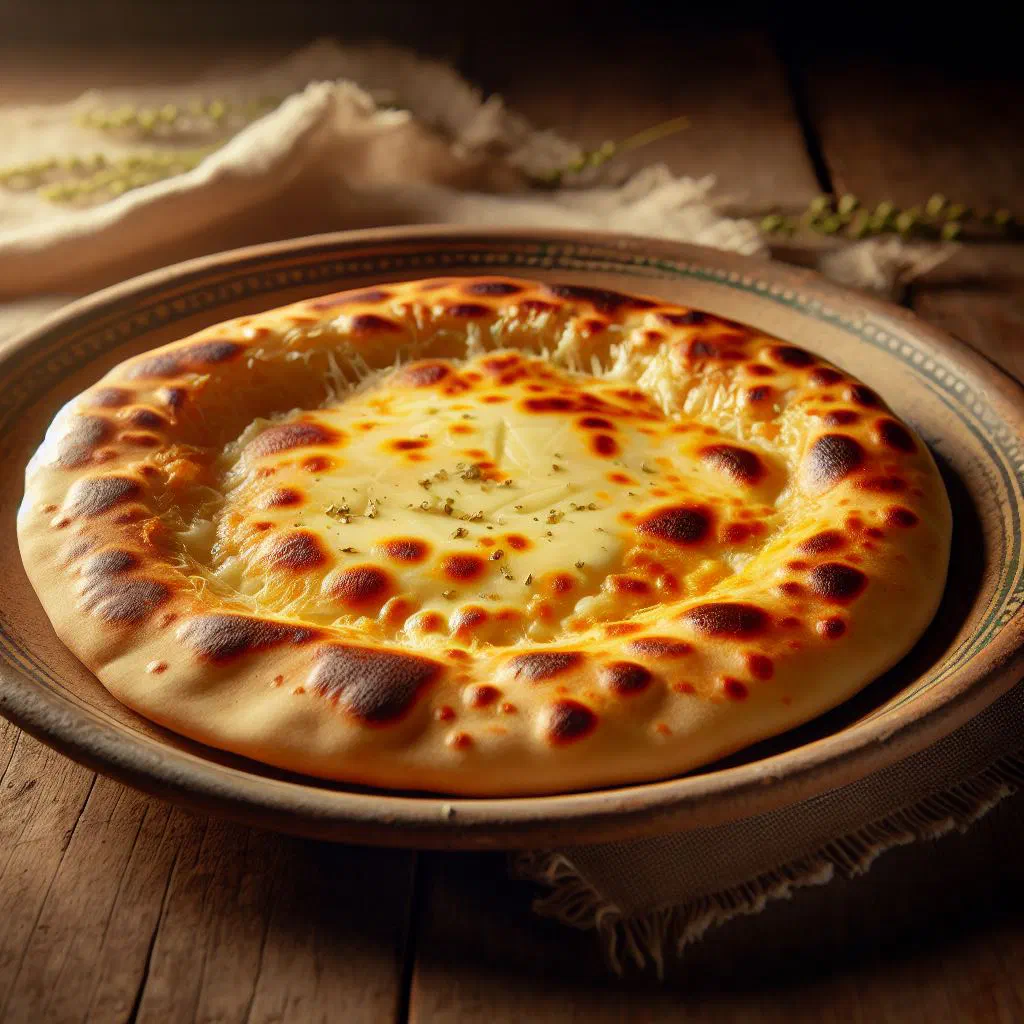
Say hello to Mbeju de Queso, a savoury little flatbread that sits right at the heart of Paraguayan home cooking. Made from nothing more than cassava flour and sharp, salty cheese, it turns a short list of humble ingredients into something wonderfully moreish. Crisp at the edges and tender within, it is served as a snack, a side or a comforting bite to share, a delicious doorway into the flavours of South America.
About Mbeju de Queso
The Paraguayan dish Mbeju de Queso is a genuine piece of culture and tradition. Made from cassava flour and well-seasoned cheese, it has a distinctive flavour that appeals to locals and visitors alike. Often served as a snack or a side, it offers the perfect way to dive into South American cooking. Best of all, it is simple to make, which is exactly why it remains such a popular choice for families and celebrations.
Ingredients (serves 1–2)
- 200 g cassava (tapioca) flour
- 100 g seasoned cheese (such as Paraguayan cheese or another feta)
- 2 eggs
- 100 ml milk (or a plant-based alternative)
- 1 tsp salt
- Butter or oil, for frying
Shopping for the ingredients
To prepare Mbeju de Queso, choose ingredients that are fresh and of good quality. Cassava flour is available in many international and South American food shops. The cheese can vary, but be sure to pick a well-seasoned variety that gives the dish its characteristic flavour. If you have particular dietary needs, you will also find gluten-free alternatives that work beautifully in this recipe. It is much the same starchy base you would reach for when making Chipa.
Preparing the dish
Before you begin making Mbeju de Queso, it is important to gather and prepare all your ingredients. Measure the cassava flour accurately and make sure the cheese is neatly diced or crumbled so it spreads evenly through the dough. Check too that the eggs are fresh and that the milk is at room temperature, as this affects the consistency of the mixture. If you have particular flavour preferences, you can also add any spices or herbs you enjoy.
Step-by-step instructions
- In a large bowl, combine the cassava flour with the salt.
- In a separate bowl, whisk the eggs and milk together well.
- Slowly add the egg mixture to the cassava flour, stirring thoroughly until you have a smooth, even dough.
- Fold the seasoned cheese through the dough.
- Heat a pan with a little butter or oil and drop in small portions of the mixture.
- Fry both sides until golden brown, then drain on kitchen paper.
Gluten-free / lactose-free version
For a gluten-free version of Mbeju de Queso, simply make sure the cassava flour you use comes from a certified gluten-free source. For a lactose-free preparation, replace the milk with a plant-based alternative such as soy or almond milk. Take care to choose lactose-free cheese to keep the dish completely dairy-free.
Tips for vegans and vegetarians
For vegans, the recipe for Mbeju de Queso can be adapted by replacing the eggs with plant-based alternatives such as flax or chia seeds. There are plenty of excellent vegan cheeses that fold nicely into the dish while still keeping its typical flavour. It is important to read the ingredient list carefully to make sure everything you use is genuinely vegan. That way the dish stays delicious whatever your dietary habits.
More tips and tricks
A few key tips to keep in mind when making Mbeju de Queso are to control the heat and to be patient while frying. Lower temperatures allow for even cooking, whereas high heat can scorch the outside before the inside is done. Experiment with the size of the portions to find the perfect bite for your taste. A little creativity with extra spices can refine the dish even further.
Adapting the recipe to your taste
The recipe for Mbeju de Queso is highly adaptable and lends itself well to personal preference. You can try different types of cheese to discover new flavours. Adding herbs such as parsley or chives can deepen the aroma too. If you like things hotter, a little paprika or chilli will give the dish an extra kick.
Ingredient substitutions
If you do not have cassava flour to hand, you can also try other gluten-free flours such as rice flour or chickpea flour. This will alter the traditional flavour slightly, but can still deliver delicious results. Using other cheeses, such as mozzarella or Gouda, can likewise give Mbeju de Queso a whole new dimension. Be creative and experiment with whatever ingredients you have available, a spirit of improvisation that runs right through Paraguayan cuisine.
Drink pairing ideas
A range of drinks pairs wonderfully with Mbeju de Queso. A refreshing glass of Paraguayan Tereré, a cold herbal tea, is a favourite choice that complements the dish’s savoury flavour. A light red wine or a fruity cocktail can also make a lovely accompaniment. If you prefer something alcohol-free, fresh juices such as pineapple or guava are an excellent option.
Serving and presentation ideas
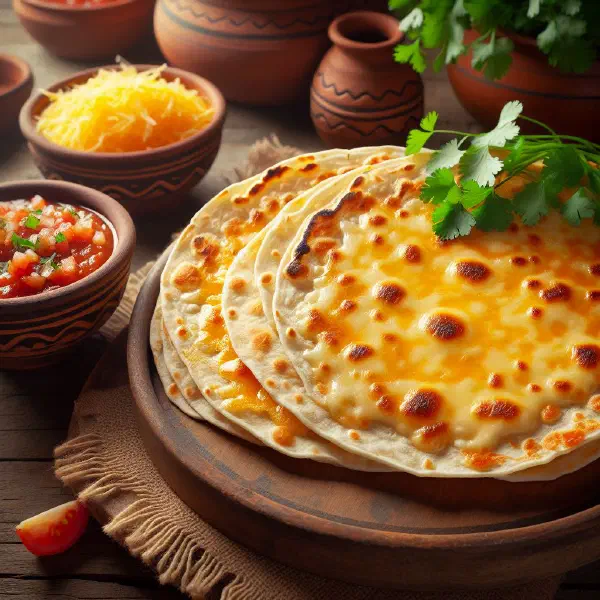
The way you present Mbeju de Queso can add to the whole eating experience. Serve the small portions on an attractive wooden board, garnished with fresh herbs or slices of tomato. A dip of hot sauce or freshly made guacamole can offer exciting flavour combinations too. Remember that we eat with our eyes first, so lay your table out invitingly.
A bit of history
Mbeju de Queso has its origins in Paraguayan culture and is a firm fixture of the country’s traditional cooking. It reflects a heritage shaped strongly by ingredients such as cassava and cheese. Historically the dish grew out of the need to prepare nourishing, filling food that gave locals the energy they needed for everyday life. Today it is a symbol of Paraguayan identity and a much-loved dish at parties and celebrations, sitting alongside classics like Sopa Paraguaya.
More recipe ideas
Summary: Mbeju de Queso
Mbeju de Queso is a simple yet tasty dish that brings the soul of Paraguayan cooking to the plate. With just a handful of ingredients you can prepare a hearty bite that works perfectly as both a snack and a side. Its scope for adaptation and variation makes it a flexible recipe that suits many different tastes. You will be won over by the flavour and the tradition tucked into every single bite.