National Dish Paraguay: Soyo Kesu (Recipe)
In this article
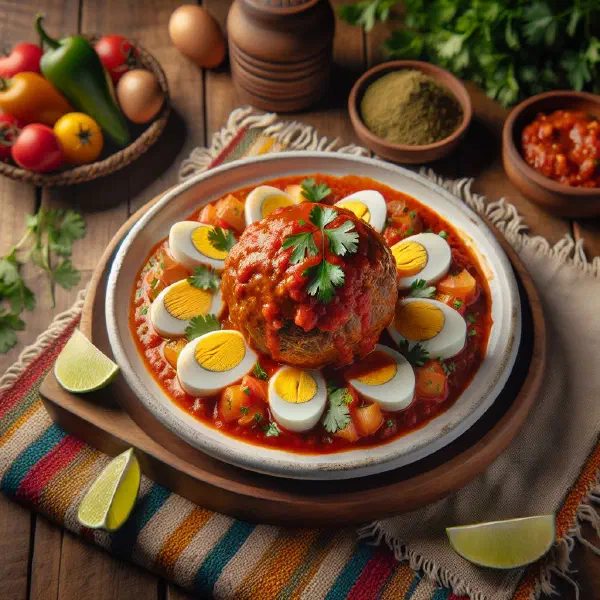
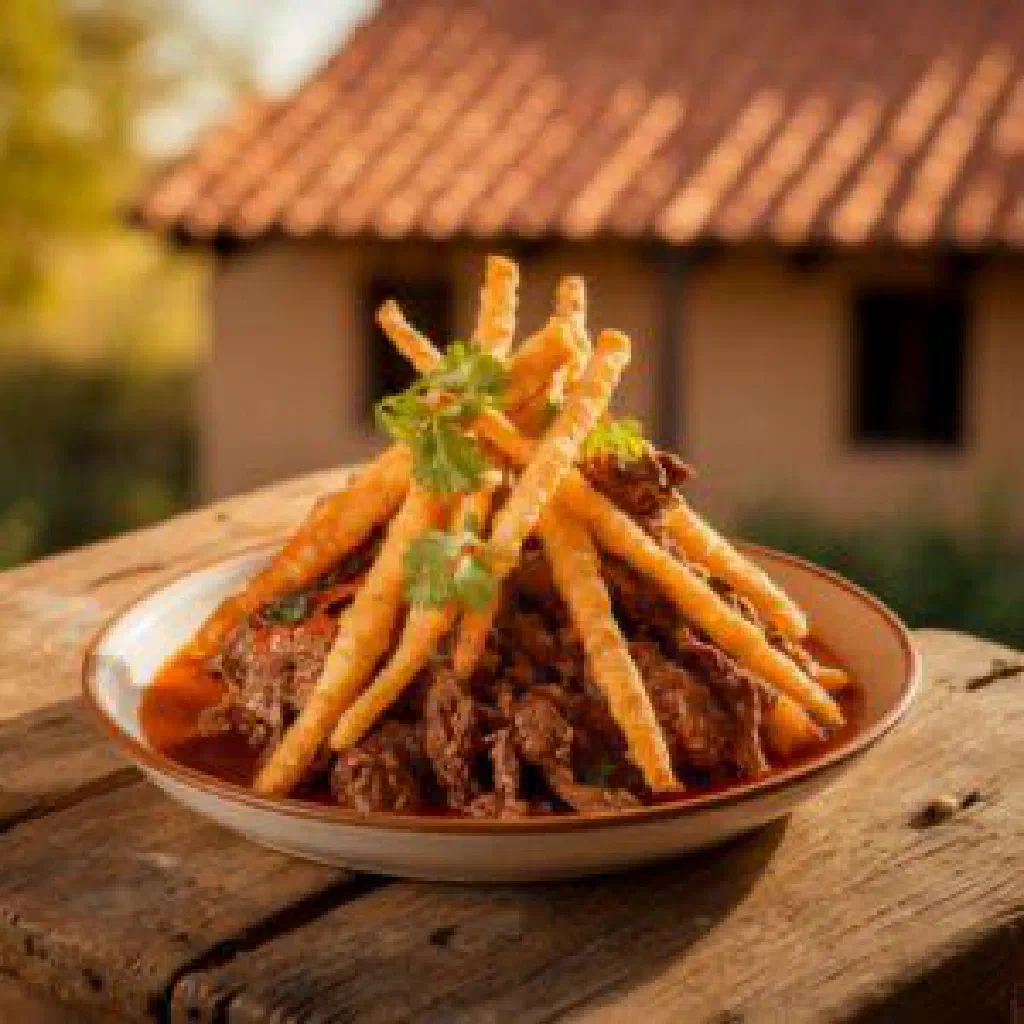
Soyo Kesu is beef and cheese, which is exactly what the name says: so’o is meat in Guaraní, kesu is cheese. Finely chopped beef cooks with onion, garlic, tomato and paprika, then fresh Paraguayan cheese goes in at the end and melts into strings through the whole pan.
About Soyo Kesu
Soyo Kesu brings together two things Paraguay does well. The name comes from the Guaraní words so’o (meat) and kesu (cheese): tender chopped beef is combined with melting cheese into a hearty, creamy dish. Whether as a main course or a substantial snack, soyo kesu wins people over with a flavour that is genuinely its own, and it is closely related to so’o yosopy, the beef soup that shares its first word.
Ingredients (serves 1–2)
- 300 g beef, finely chopped or cut into thin strips
- 100 g Paraguayan cheese (or mozzarella or a mild gouda)
- 1 onion, finely chopped
- 2 garlic cloves, crushed
- 1 tomato, diced
- 2 tablespoons olive oil
- Salt and pepper, to taste
- 1 teaspoon paprika
- Fresh parsley, to garnish
Shopping for the ingredients
Queso Paraguay is a fresh, salty, squeaky cheese that softens without fully melting — the closest widely available equivalents are a young mozzarella, halloumi or a fresh queso fresco. Chop the beef by hand rather than using mince if you can; the texture is much better.
Preparing the dish
Chop the beef finely with a knife, or ask the butcher for a coarse mince. Dice the cheese into cubes rather than grating it, so it stays in identifiable pieces. Everything else is straightforward chopping.
Step-by-step instructions
- Heat the olive oil and soften the onion for 6–8 minutes.
- Add the garlic and paprika and fry for 1 minute.
- Turn up the heat and add the beef; brown it well, 5 minutes.
- Add the diced tomato and cook down for 8 minutes.
- Add a splash of water if it looks dry and simmer 5 minutes more.
- Season with salt and pepper.
- Scatter the cubed cheese over the top and cover the pan.
- Leave off the heat for 3 minutes until the cheese softens, then scatter with parsley and serve.
Gluten-free / lactose-free version
Soyo kesu is naturally gluten-free. It cannot be made lactose-free while keeping the cheese, though a firm plant-based cheese works surprisingly well, since the dish needs something that softens rather than melts to liquid.
Tips for vegans and vegetarians
Beef and cheese are both central. A version with finely chopped mushrooms and a plant-based cheese keeps the structure and the paprika-tomato base, which carries a good deal of the flavour.
More tips and tricks
Brown the beef properly over a high heat rather than letting it stew, the browning is where the depth comes from. Add the cheese off the heat, or it turns rubbery. And do not overcook the beef; thin strips need only a few minutes.
Adapting the recipe to your taste
Cumin or oregano suits the seasoning. Rice or cassava stirred through makes it a fuller meal. A fried egg on top is a common household addition.
Ingredient substitutions
Any mild melting cheese works. Pork or chicken substitute for beef. Tinned tomatoes replace fresh out of season.
Drink pairing ideas
Tereré, iced yerba mate, is the everyday Paraguayan drink. Cold beer suits the dish well. A medium red wine works at dinner.
Serving and presentation ideas
Serve soyo kesu hot from the pan with the cheese still soft and stringy, alongside rice, cassava or bread for mopping. It is home cooking and is served without ceremony, usually straight from the pan it was cooked in.
A bit of history
Paraguayan food is genuinely bilingual: dish names mix Spanish and Guaraní, often in the same phrase, in a way that reflects the country’s unusual linguistic history. Cheese and beef are both products of the ranching economy, and dishes combining them are everyday rather than festive. It offers a genuine window onto Paraguayan cuisine.
More recipe ideas
Summary: Soyo Kesu
Soyo Kesu is finely chopped beef cooked with onion, tomato and paprika, finished with cubes of fresh cheese melted through it. Brown the meat hard, add the cheese off the heat, serve at once.