National Dish Peru: Anticuchos (Recipe)
In this article
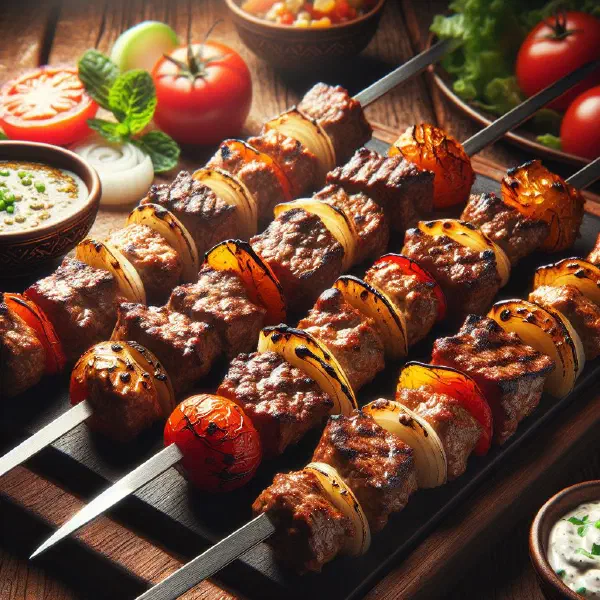
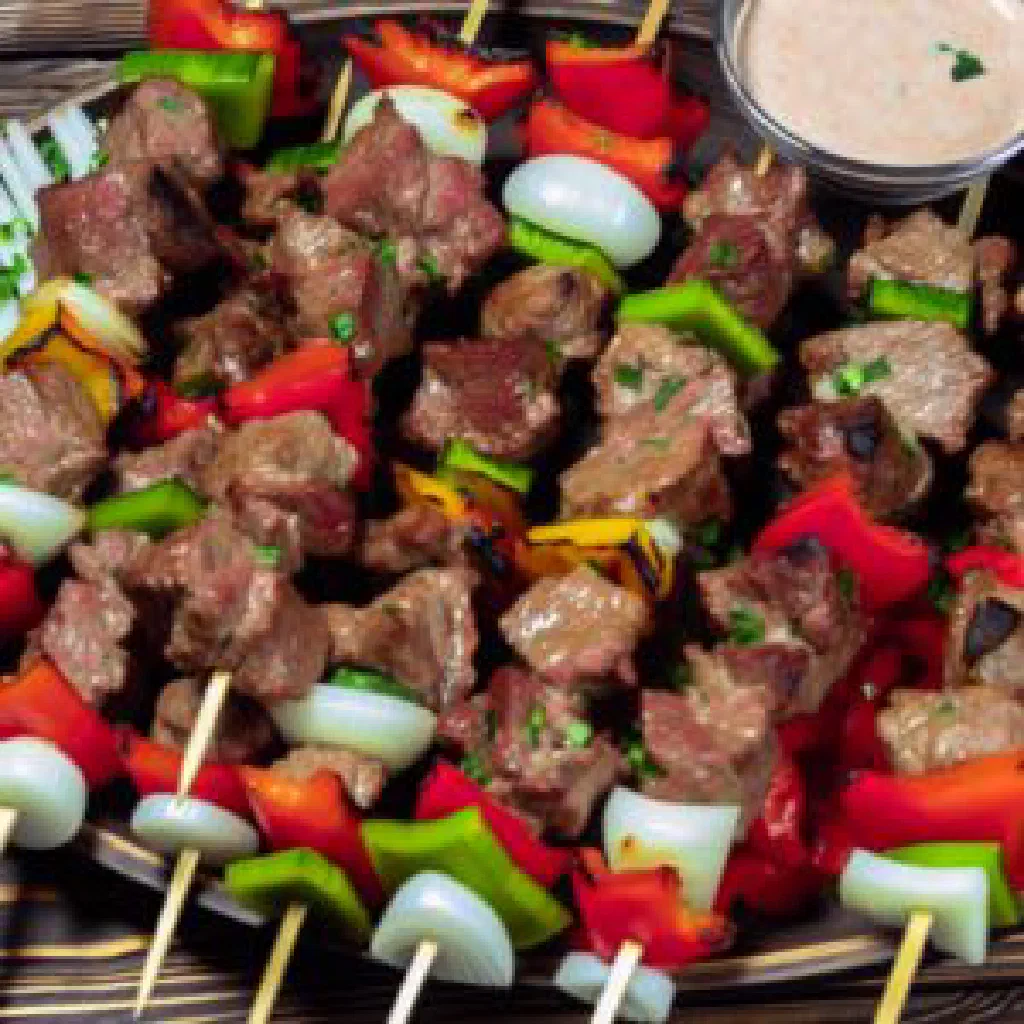
Meet Anticuchos, one of Peru’s most beloved street-food treats. These marinated, char-grilled skewers pack the smoky, punchy flavours you will find sizzling on street corners across the country. Traditionally made with beef heart, they are easy to prepare and endlessly satisfying, marrying garlic, cumin and vinegar into a marinade that tastes unmistakably of Peru. Fire up the grill and bring a taste of Lima’s night markets to your own kitchen.
About Anticuchos
Anticuchos are a traditional Peruvian dish made from marinated beef, classically the heart, threaded onto skewers and grilled over hot coals. These flavour-packed skewers are wonderfully tasty and a cornerstone of Peruvian street food. The preparation is straightforward and makes for a great experience for anyone who loves to grill. The combination of spices and simple ingredients gives you a distinctive taste that captures the bold aromas of Peru.
Ingredients (serves 1–2)
- 300g beef heart or beef
- 2 tablespoons soy sauce
- 1 tablespoon vinegar
- 2 garlic cloves, chopped
- 1 teaspoon paprika
- 1 teaspoon cumin
- Salt and pepper, to taste
- Wooden skewers (soaked in water overnight)
- Potatoes, to serve
- Peruvian chilli sauce, to serve
Shopping for the ingredients
When shopping for anticuchos, it is important to choose fresh, good-quality beef. Look for suppliers offering locally produced meat to keep that connection to Peruvian cooking. You may find beef heart at specialist butchers or, with luck, at a well-stocked supermarket. Do not forget to have the right spices and sauces to hand too, so you can achieve that authentic flavour.
Preparing the dish
Preparing anticuchos begins with marinating the beef. First, cut the meat into even pieces so it cooks uniformly. Mix the marinade from soy sauce, vinegar, garlic, paprika and cumin, then leave the meat to steep for at least an hour, better still, overnight. Letting the meat rest in the marinade deepens the aromas and gives you a tender end result.
Step-by-step instructions
- Cut the beef into even cubes and set aside.
- In a bowl, combine the marinade of soy sauce, vinegar, garlic, paprika, cumin, salt and pepper.
- Add the meat to the marinade, mix well, then cover and chill for at least an hour.
- Thread the marinated meat onto the soaked wooden skewers.
- Preheat the grill and lay the skewers on it. Grill the anticuchos for about 10–15 minutes, turning regularly.
- Prepare a side of boiled potatoes and Peruvian chilli sauce, and serve alongside the anticuchos.
Gluten-free / lactose-free version
Anticuchos are ideal for a gluten-free and lactose-free diet. Be sure to use a gluten-free soy sauce so the dish is safe for anyone with coeliac disease. You can also reach for lactose-free products should any cream or similar ingredients be called for. That way the dish keeps its authenticity while remaining accessible to every eating habit.
Tips for vegans and vegetarians
For a vegan or vegetarian take on anticuchos, swap the beef for vegetables or tofu. Marinate the vegetable pieces, peppers, courgette and aubergine work beautifully, exactly as you would the meat. These alternatives offer great flavour and the chance to bring different textures into play. Just keep an eye on the grilling time and adjust it to suit the vegetables for perfect results.
More tips and tricks
To create the perfect anticuchos, it helps to soak the skewers in water before use. This stops them scorching on the grill. You can also add fiery chillies to the marinade for an extra kick of flavour. Beyond grilling, the skewers can be cooked in the oven too, though they should be turned regularly to guarantee even cooking. Like Pollo A La Brasa, a hot, well-managed grill is the secret to that very good char.
Adapting the recipe to your taste
Making anticuchos is wonderfully flexible. Depending on your personal taste, you can tweak the spices and the marinade to suit. You might prefer a sweeter version with honey or agave syrup stirred into the marinade. Experiment with different vegetables and meat alternatives to create your own unmistakable version of this popular Peruvian dish.
Ingredient substitutions
There are plenty of possible swaps for anticuchos depending on what is available and what you fancy. Instead of beef heart you can use chicken or turkey, both of which pair superbly with the marinade, much like the tender poultry in Aji De Gallina. If fresh herbs such as coriander are hard to find, the dried version does the job. These adjustments let you enjoy both authentic and creative variations of the recipe.
Drink pairing ideas
To complement the flavours of anticuchos, refreshing drinks are the way to go. Classically, a chicha morada, a Peruvian purple-corn drink, pairs beautifully; try our own Chicha Morada. Alternatively, a light, fruity white wine or a cooling mojito works well.
Serving and presentation ideas
Presentation can lift the anticuchos experience considerably. Serve the skewers on an attractive platter, garnished with fresh herbs and lemon slices. Set the Peruvian chilli sauce in small bowls alongside for an inviting spread. Add a few fresh, crisp salads to support the colours of the dish and bring extra freshness to the table.
A bit of history
Anticuchos trace their origins to pre-Columbian Peru and stand as a symbol of the diversity of Peruvian cooking. Originally from the Andean regions, they were enjoyed as a filling, nourishing meal by indigenous peoples. Over the years, various recipes and methods of preparation developed, reflecting the cultural richness of Peru. Today anticuchos are a classic dish and part of festivities and celebrations across the country, a proud fixture of Peruvian cuisine.
More recipe ideas
Summary: Anticuchos
In short, anticuchos are a much-loved and tasty Peruvian dish that is both simple to prepare and full of flavour. With their history and cultural significance, they offer a distinctive taste experience and a real insight into Peruvian gastronomy. The scope for adaptation is huge, so you can shape the recipe around your own preferences. Give this dish a try and bring a piece of Peruvian tradition into your kitchen.