National Dish Peru: Locro de Zapallo (Recipe)
In this article
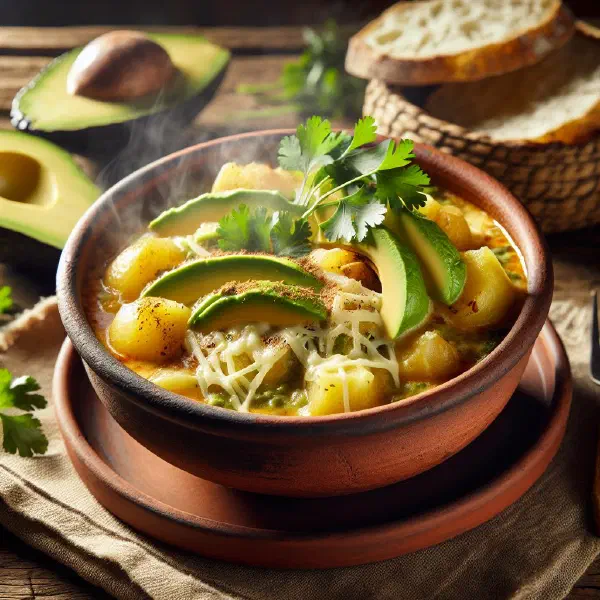
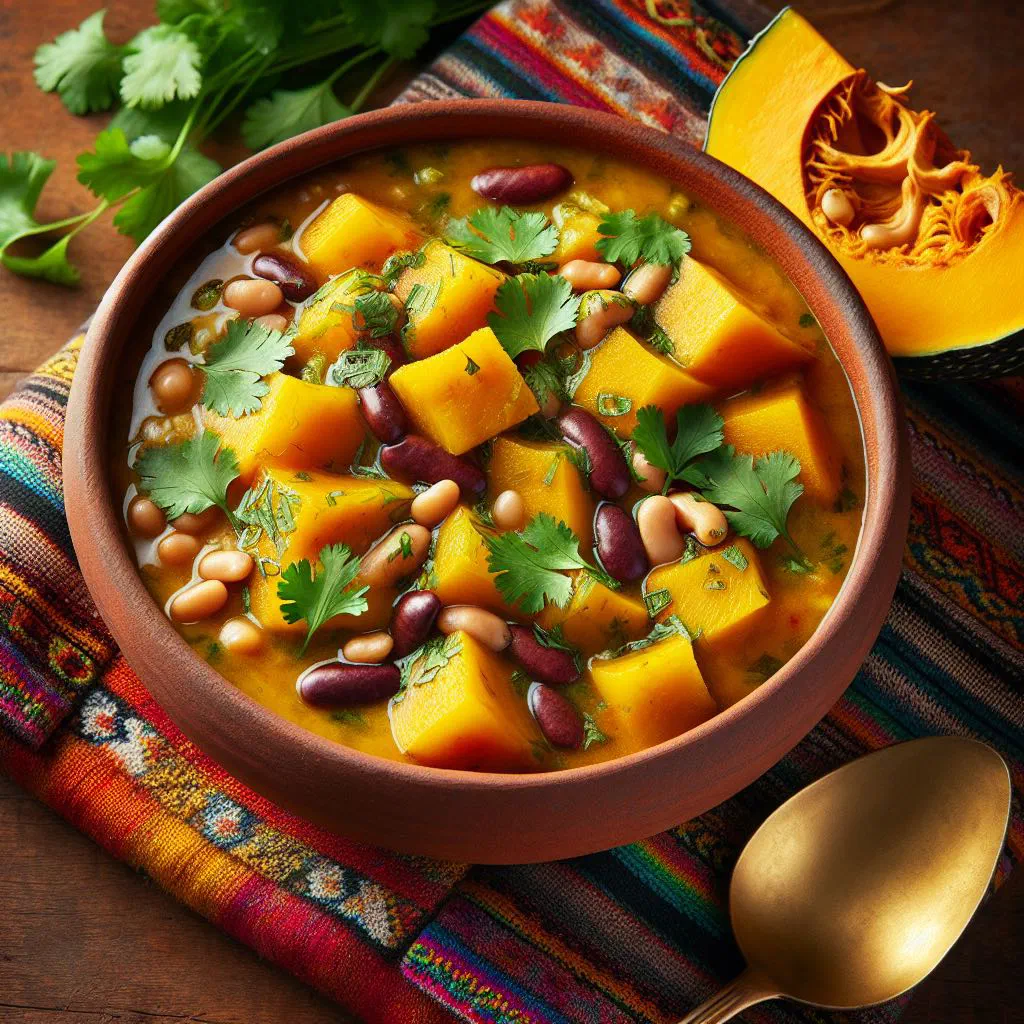
Say hello to Locro de Zapallo, a soul-warming pumpkin and potato stew from the heart of Peruvian cooking. Golden, creamy and gently spiced, it brings together tender pumpkin, hearty potatoes and a scattering of fresh herbs for a bowlful of pure comfort. Easy to put together yet packed with flavour, it is the kind of dish that feels made for chilly evenings and long, sociable dinners with friends.
About Locro de Zapallo
Locro de Zapallo is a traditional stew that captures the flavours and textures of Peruvian cuisine in a way few dishes can match. It is built around pumpkin, an ingredient found throughout many Latin American kitchens, whose soft, sweet pieces are enriched with potatoes and a handful of fresh herbs. The result is a hearty and nourishing dish that suits cold days and convivial evenings alike.
Ingredients (serves 1–2)
- 200 g pumpkin (such as Hokkaido or butternut)
- 200 g potatoes
- 1 onion
- 2 cloves of garlic
- 75 g fresh cheese (optional)
- 1 litre vegetable stock
- Fresh herbs (such as parsley or coriander)
- Olive oil
- Salt and pepper, to taste
Shopping for the ingredients
When shopping for the ingredients for locro de zapallo, it is well worth choosing fresh, good-quality produce. Visit your local market to track down the best pumpkin and the freshest herbs. Look for a pumpkin that feels firm and heavy, a sure sign of freshness. Where you can, pick organic produce to make the most of the dish’s flavour and quality.
Preparing the dish
Getting ready to cook locro de zapallo is straightforward and takes only a few steps. Start by peeling the onion and garlic and chopping them finely. The pumpkin and potatoes should be peeled and cut into small, even cubes so they cook through at the same rate. This little bit of groundwork makes the cooking easier and ensures the flavours blend harmoniously in the finished dish.
Step-by-step instructions
- Heat a tablespoon of olive oil in a large pot over medium heat.
- Add the chopped onion and garlic and fry until soft and fragrant.
- Add the pumpkin and potato cubes to the pot and stir everything together well.
- Pour in the vegetable stock and bring the whole thing to the boil.
- Reduce the heat and let the stew simmer for around 20–30 minutes, until the vegetables are tender.
Gluten-free / lactose-free version
Locro de Zapallo is naturally gluten-free and can easily be made lactose-free. Simply use a lactose-free cheese, or leave the cheese out altogether, to make sure the dish suits every dietary need. These little tweaks make it easy to enjoy locro de zapallo even with special requirements, keeping this delicious stew inclusive and adaptable for everyone at the table.
Tips for vegans and vegetarians
Adapting locro de zapallo for vegans is no trouble at all. Leave out the cheese or swap in a plant-based cheese alternative. The remaining ingredients are already plant-based and offer plenty of nourishment. That makes this dish a perfect choice not only for vegetarians but for vegans too, delivering a nutritious and tasty meal without any fuss.
More tips and tricks
A few tips and tricks can take locro de zapallo up a notch. Experiment with different spices to give the dish a personal touch, smoked paprika or cumin work beautifully. You can also add a little chilli for a gentle kick of heat. Playing with flavours and textures makes the dish tastier and that bit more exciting, much like a fragrant Ocopa Arequipeña.
Adapting the recipe to your taste
Locro de Zapallo is wonderfully adaptable and easy to tailor to your own preferences. Feel free to add extra vegetables such as carrots, peas or sweetcorn to make the dish more colourful and varied. You can also use different types of cheese to create fresh flavour combinations. In this way, every version becomes a new culinary experience all its own.
Ingredient substitutions
If you cannot find particular ingredients for locro de zapallo, there are several alternatives to fall back on. Sweet potato, for instance, can stand in for pumpkin and brings a different but equally delicious flavour, in the same spirit as a hearty Locro de Papas. For the stock, you can use homemade broth or even plain water if no vegetable stock is to hand.
Drink pairing ideas
A range of drinks pairs nicely with locro de zapallo to round off the experience. A cool, light beer makes a refreshing companion. Alternatively, fruity cocktails or a good red wine harmonise wonderfully with the warmth and flavours of the stew. Non-alcoholic options such as a refreshing iced tea can prove just as pleasant, especially alongside the deep colours of Peruvian cuisine.
Serving and presentation ideas
Presentation can add a great deal to the enjoyment of locro de zapallo. Serve the stew in rustic bowls or plates and garnish it with fresh herbs for visual appeal. A squeeze of fresh lemon just before serving can brighten the dish and lift its aromas. Thoughtful presentation makes the meal tastier and more beautiful to look at.
A bit of history
Locro de Zapallo has a history in Peruvian cooking, reaching back to the region’s indigenous peoples. Originally prepared as a nourishing dish for the cold nights of the high Andes, it was a staple for many locals. The dish reflects long-standing agricultural traditions and a love of cooking with local ingredients, in the same tradition as the earth-oven feast of Pachamanca. Today it remains a popular choice in restaurants and homes across Peru.
More recipe ideas
Summary: Locro de Zapallo
In short, Locro de Zapallo is a much-loved dish of Peruvian cuisine, winning hearts with its simple preparation and endless scope for adaptation. With fresh ingredients and a harmonious blend of flavours, it offers something comforting for both the palate and the heart. Whether on cold winter evenings or over a sociable gathering with friends, this recipe is always a culinary highlight. Give it a try and let the warmth of Peruvian cooking work its magic on you.