National Dish Peru: Shambar (Recipe)
In this article
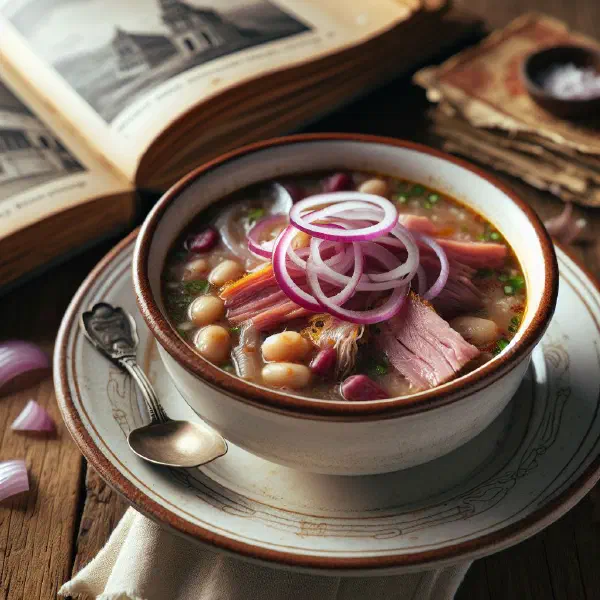
Discover Shambar, one of Peru’s most warming and soulful soups. Rooted in the northern region of La Libertad, this hearty bowl brings together tender white beans, succulent beef and the earthy warmth of cumin. Long associated with festive gatherings and Monday traditions in Trujillo, it is the kind of rich, nourishing dish that feeds both the appetite and the spirit. Bring a taste of Peruvian celebration straight to your own kitchen.
About Shambar
Shambar is a hearty national dish from Peru, especially popular in the region of La Libertad. This delicious soup has a long history and is particularly beloved during traditional festivals and celebrations. Its ingredients bring together the aromas of Peruvian cooking, turning every bowl into a warming treat. It is a dish that appeals to the palate and nourishes the soul with its intense flavours and rich, satisfying texture.
Ingredients (serves 1–2)
- 200 g white beans (other beans work well too)
- 300 g beef (shoulder or similar)
- 1 onion, diced
- 2 garlic cloves, chopped
- 1 large carrot, diced
- 1 stick of celery, diced
- 1 teaspoon cumin
- Fresh herbs (e.g. coriander, parsley)
- Salt and pepper to taste
- Water or stock, enough for the soup
Shopping for the ingredients
When shopping for the ingredients for shambar, it is worth choosing fresh, good-quality produce. The beans in particular are best bought fresh or dried to guarantee the fullest flavour. The beef is best sourced from a trusted butcher, who can also offer tips on the best way to prepare it. Fresh herbs bring the aromas to life, so a local market or health-food shop is a good place to start.
Preparing the dish
Careful preparation of the ingredients is essential when making shambar. The beans usually need to be soaked overnight so that they cook through more quickly. The beef should be cut into bite-sized pieces, and the vegetables should be washed and chopped ready to go. It is a good idea to have everything to hand before you begin, as this makes the cooking process easier and more efficient.
Step-by-step instructions
- Bring the soaked beans to the boil in a pan of fresh water and simmer for around 30 minutes.
- In a separate pan, brown the beef until it takes on a golden colour.
- Add the onion, garlic, carrot and celery to the beef and continue to fry.
- Add the cooked beans along with their stock and season with cumin.
- Let everything simmer over low heat for at least 1–2 hours.
- Just before serving, add fresh herbs, salt and pepper.
Gluten-free / lactose-free version
Shambar is naturally gluten-free and lactose-free, as its main ingredients are beans and meat. Simply make sure the spices you use are accurate and free from any gluten-containing additives. This dish is ideal for anyone with intolerances while still delivering the full flavours you would expect from Peruvian cooking. By using fresh, unprocessed ingredients, the dish stays suitable for everyone at the table.
Tips for vegans and vegetarians
For a vegan or vegetarian version of shambar, the beef can be replaced with plant-based sources of protein such as tofu or seitan. The stock can likewise be swapped for vegetable stock to keep the flavour intact. On top of that, extra pulses make a wonderful textural addition that boosts the nutritional density of the dish. With fresh herbs and spices, the hearty flavour comes through in full, even without meat.
More tips and tricks
A few simple tips and tricks can make shambar even more delicious. A squeeze of lime juice just before serving, for example, lends a fresh note to the bowl. Adding chilli or other hot spices can also lift the classic flavour. For a deeper, toasted character, it is worth briefly roasting the beans before adding them to the soup.
Adapting the recipe to your taste
The way shambar is made is flexible and easily adapted to personal preference. If you like plenty of vegetables, for instance, you can add a variety of seasonal produce. The level of heat can also be varied to suit your own taste. The dish lends itself beautifully to adjustment, so it can meet individual preferences and dietary needs alike.
Ingredient substitutions
If certain ingredients are not available, there are alternatives that work just as well. Kidney beans, for example, can be used in place of white beans if you prefer. Dried herbs can stand in for fresh ones, though fresh herbs are always the best choice. Beef can also be swapped for chicken or another meat, much as it is in a comforting Seco De Res, to give the soup a different character.
Drink pairing ideas
Several refreshing drinks pair beautifully with a hearty dish like shambar. Classic options include a traditional Peruvian Chicha Morada, a macerated purple-corn drink, or a fresh, fruity cocktail with lime and mint. Simple lemonades or unsweetened iced teas also make an excellent accompaniment. The pairing possibilities are wide-ranging and help round off the whole dining experience.
Serving and presentation ideas
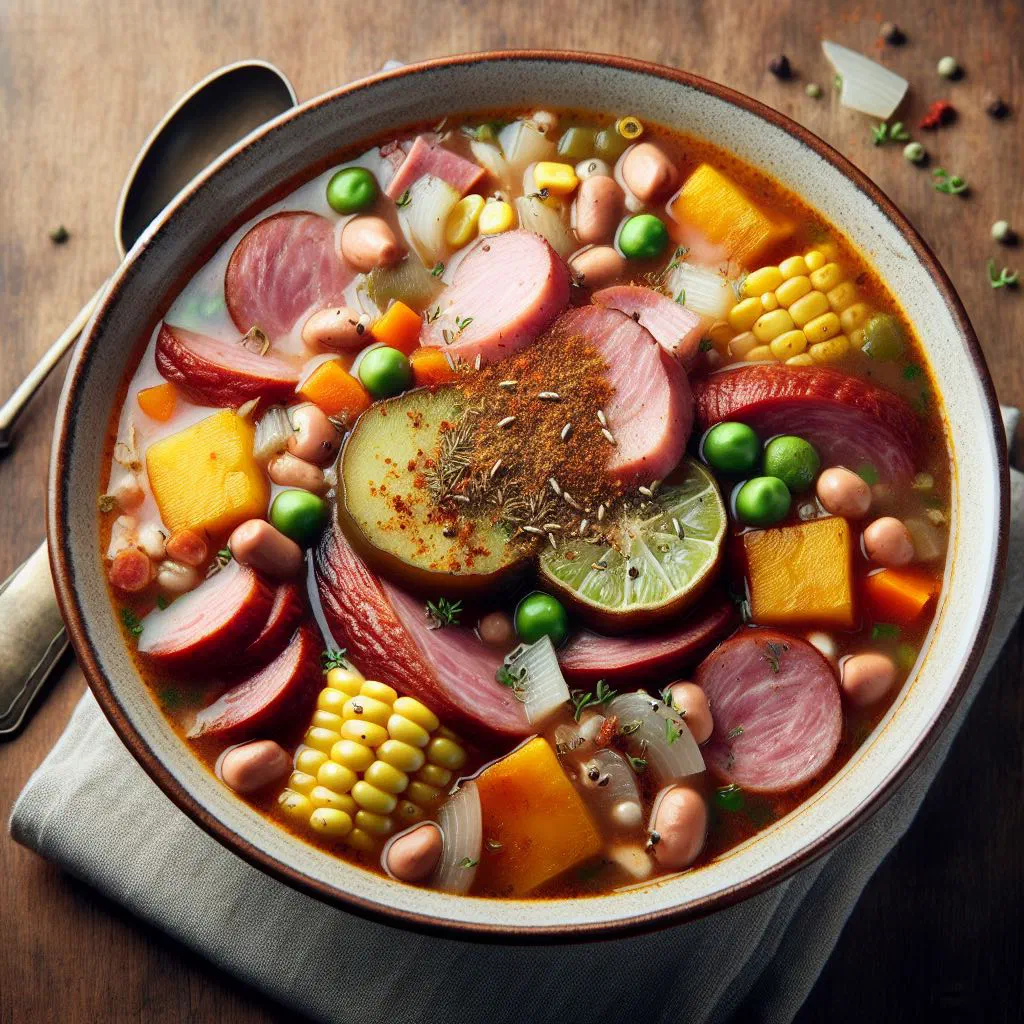
Presentation can play just as important a role with shambar. Serve the soup in colourful, traditional bowls for an inviting look. Garnish with fresh herbs or extra pieces of vegetable to vary the colours and textures. A few slices of lime around the rim complete the picture and ensure that guests are pleased not just by the taste but by the sight of it too.
A bit of history
Shambar has a deeply rooted cultural history in Peru and is often prepared for festivals and celebrations. Originally it was cooked by farmers as a nourishing meal that filled the stomach and provided energy. Over time the dish became firmly established in Peruvian society and is now seen as a symbol of togetherness and hospitality. Its many regional variations show just how deep the roots and how great the variety of Peruvian cuisine really are.
More recipe ideas
Summary: Shambar
In short, shambar is a hearty and nourishing dish that embodies the flavours of Peruvian cooking. It is ideal for festive occasions and perfect for sharing with family and friends. Its versatility in preparation and the ease with which it can be tailored to personal taste make it an ideal choice for anyone. Let the many flavours and the history of this culinary treasure inspire you, and try shambar in your own kitchen today.