National Dish Peru: Trigo Atamalado (Recipe)
In this article
Discover Trigo Atamalado, a soul-warming Peruvian stew built around cracked wheat and simmered slowly with tender meat and fragrant vegetables. Born in the highlands of the Andes, it carries the earthy comfort of a dish passed down through generations. With its gentle spicing and satisfying texture, it is the kind of meal that brings families together around the table, whether for a festive gathering or a quiet evening at home.
About Trigo Atamalado
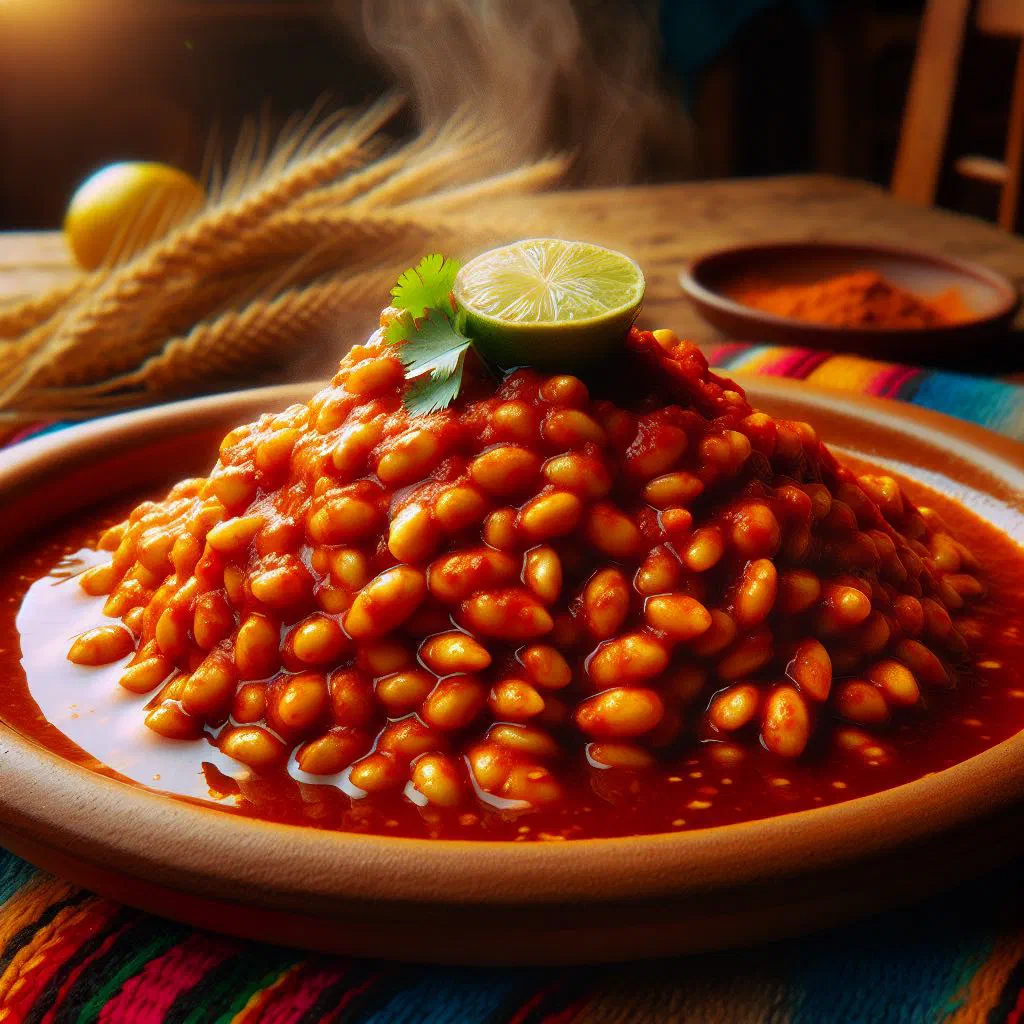
Trigo Atamalado is one of Peru’s traditional national dishes, celebrated for its distinctive blend of spice and aroma. Originally prepared by the indigenous peoples of the Andes, the dish reflects the country’s rich culinary heritage. Its main ingredient, cracked wheat, is prized as a staple food across many regions of Peru. This comforting stew often appears at festive occasions and family meals, where it is greeted with great enthusiasm. Like so much of Peruvian cuisine, it turns humble ingredients into something deeply satisfying.
Ingredients (serves 1–2)
- 200 g cracked wheat
- 100 g beef or chicken
- 1 onion, diced
- 1 carrot, diced
- 2 cloves garlic, chopped
- 1 pepper, diced
- 1 tsp cumin
- 2 tbsp vegetable oil
- Salt and pepper to taste
- 500 ml stock (beef or vegetable)
Shopping for the ingredients
When shopping for the ingredients for Trigo Atamalado, it is worth paying attention to the quality and freshness of the produce. Cracked wheat should be as fresh as possible and bought in a sealed packet to preserve its flavour. The meat can be chosen to suit personal taste, beef lends the dish more heartiness, while chicken makes for a lighter version. The vegetables should be fresh too, so that the full aroma of the dish comes through beautifully.
Preparing the dish
Preparing the dish begins with soaking the cracked wheat in water for about an hour. This helps the grains soften and shortens the cooking time. Meanwhile, the other ingredients can be washed and made ready; the onion, carrot and pepper should be cut into small pieces. These steps ensure even cooking and contribute to the texture and flavour of the finished stew.
Step-by-step instructions
- Heat the vegetable oil in a large pan and sauté the onion and garlic until golden brown.
- Add the diced meat and brown it well on all sides.
- Stir in the carrots and pepper and fry briefly.
- Add the cracked wheat and cumin and stir everything together thoroughly.
- Pour in the stock, bring to the boil, then simmer over low heat for about 30 minutes.
- Season with salt and pepper to taste.
- Serve the dish hot and enjoy.
Gluten-free / lactose-free version
For anyone intolerant to gluten or lactose, there is the option of using alternative ingredients. Instead of cracked wheat, gluten-free grains such as quinoa or millet can be used. When choosing the oil and stock, look out for lactose-free varieties. These adjustments make it possible to preserve the aromas and essence of Trigo Atamalado while still catering to specific dietary needs.
Tips for vegans and vegetarians
For a vegan or vegetarian version of Trigo Atamalado, the animal ingredients can easily be swapped for plant-based alternatives. Instead of meat, you might use tofu or seitan to add protein. Combinations of different vegetables and pulses work well for extra flavour. With the right stock and seasoning, the dish stays aromatic and nourishing, so there is something for everyone to enjoy.
More tips and tricks
To intensify the aroma of Trigo Atamalado, you can add spices such as paprika or oregano while sautéing the onions. A longer cooking time can deepen the flavours further, though take care not to let the wheat become too soft. Feel free to experiment with the amount of seasoning to find the perfect balance. Presenting the dish in an attractive bowl or on a rustic wooden board can also add to the pleasure.
Adapting the recipe to your taste
The versatility of Trigo Atamalado means the recipe can be adapted to personal preference. You might add extra vegetables such as courgette or aubergine for more texture and flavour, much as you would in a hearty Carapulcra. Using different cuts of meat, or leaving out meat altogether in favour of more vegetables, is another option. Do not be afraid to get creative and shape the dish entirely to your own taste.
Ingredient substitutions
If certain ingredients are not available, they can be replaced with similar alternatives. Instead of beef or chicken, turkey or even a plant-based mince can be used. When fresh vegetables are lacking, frozen varieties are a good option and often offer just as much flavour. For the stock, vegetable stock makes an easy swap that keeps the dish just as delicious.
Drink pairing ideas
A range of drinks pairs wonderfully with a hearty dish like Trigo Atamalado. A refreshing Peruvian beer is a popular choice, as it complements the flavours of the food nicely. Alternatively, a fruity Pisco Sour balances the warmth of the dish, much like it does alongside a plate of Ceviche. For alcohol-free options, homemade lemonade or fresh mint tea are very welcome ways to lighten the meal.
Serving and presentation ideas
The presentation of Trigo Atamalado can be enhanced with a few simple touches. Serve the dish in a decorative bowl and garnish it with fresh herbs such as coriander or parsley for a splash of colour. A few lime wedges around the edge of the plate look appealing and bring an extra note of freshness. Choose attractive tableware to make the experience feel that little bit more special.
A bit of history
The history of Trigo Atamalado is closely tied to the culture and traditions of Peru. The dish has its roots in the Andes, where cracked wheat was a staple food for many years. It reflects the coming together of indigenous and Spanish influences in Peruvian cooking. More than just a meal, Trigo Atamalado tells a story of the variety and abundance of Peruvian agriculture and its people’s love of good food, a spirit it shares with classics like Papa a la Huancaína.
More recipe ideas
Summary: Trigo Atamalado
In summary, Trigo Atamalado is a delicious dish and a mirror of Peru’s rich cultural traditions. With its combination of cracked wheat and hearty ingredients, it is ideal for special occasions as well as everyday enjoyment. The adaptability of the recipe guarantees that it will please everyone, whatever their dietary preferences. Let the flavours of South America enchant you and enjoy this authentic dish.